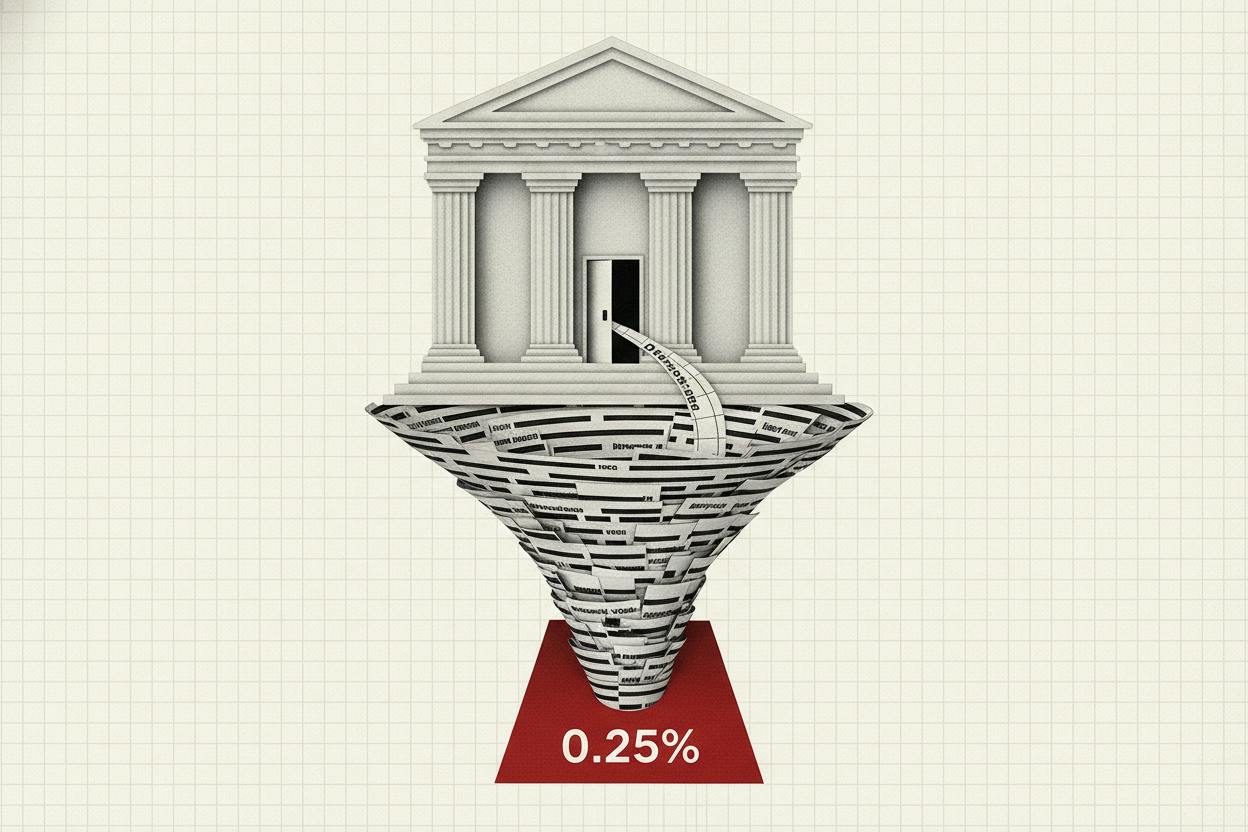
US banks are set to report third-quarter earnings next week, and while the headline numbers may look solid, the real test for investors will be whether executives can lay out credible plans for 2027. That's the view from Raymond James, which cautions that rising funding costs and tougher competition for deposits are likely to shape the outlook more than the quarter's raw results.
Banks make most of their money from the spread between what they earn on loans and securities and what they pay out to depositors. When interest rates stay high, depositors demand better returns, forcing banks to raise rates on savings accounts or turn to more expensive market borrowing. Both options squeeze the profitability of their core lending business.
Why 2027 guidance matters
Investors are increasingly looking past the current quarter and focusing on where banks expect to be in a few years. With interest rates expected to eventually come down, banks will need to show they can manage their net interest margins—the difference between interest earned and interest paid—through that transition.
Raymond James says the key is whether management teams can offer "credible and achievable" targets for 2027. That means not just promising growth, but backing it up with realistic assumptions about loan demand, deposit costs, and the competitive landscape.
The focus on 2027 guidance comes as banks face a tricky balancing act. On one hand, they want to reassure investors about future profitability. On the other, they need to be honest about the headwinds from higher funding costs and the need to retain deposits.
Deposit competition heats up
Deposits are the lifeblood of banks—they provide cheap funding for loans. But in a high-rate environment, customers have more options. They can move money into money market funds, Treasury bills, or higher-yield accounts at other institutions. That forces banks to compete harder, often by offering better rates, which cuts into their margins.
This dynamic is not new, but it has become more pronounced as the Federal Reserve has kept rates elevated. Smaller and regional banks, in particular, have felt the pressure as customers seek better returns elsewhere. Larger banks have more levers to pull, but they are not immune.
The broader market is also watching how banks navigate these challenges. In other regions, similar themes are playing out. For example, Indian banks are leading stocks higher ahead of a central bank rate decision, while Australian banks have been lifted by falling oil prices. These moves highlight how sensitive bank stocks are to interest rate expectations and economic conditions.
What it means for investors
For everyday investors, the upcoming earnings reports are more than just a check on bank profitability. They offer clues about the health of the broader economy. Banks are often seen as a bellwether because their lending activity reflects consumer and business confidence.
If banks report strong earnings but give cautious 2027 guidance, that could signal they expect a tougher environment ahead. Conversely, if they strike an optimistic tone, it might suggest the economy is more resilient than feared.
Investors should also pay attention to how banks talk about deposit costs and loan growth. A bank that can hold onto deposits without paying up too much is in a stronger position. One that has to rely on more expensive funding may see its margins shrink.
It's also worth noting that banks are not the only companies facing scrutiny over their forward-looking statements. Across the market, investors are increasingly focused on guidance as they try to gauge the sustainability of earnings. For banks, the 2027 targets will be a key part of that assessment.
As the earnings season unfolds, expect to hear a lot about net interest margins, deposit betas, and loan growth. These are the metrics that will determine whether banks can meet their long-term goals.
For now, Raymond James's caution suggests that while the third quarter may look fine on the surface, the real story will be in what executives say about the future. Investors would do well to listen closely.