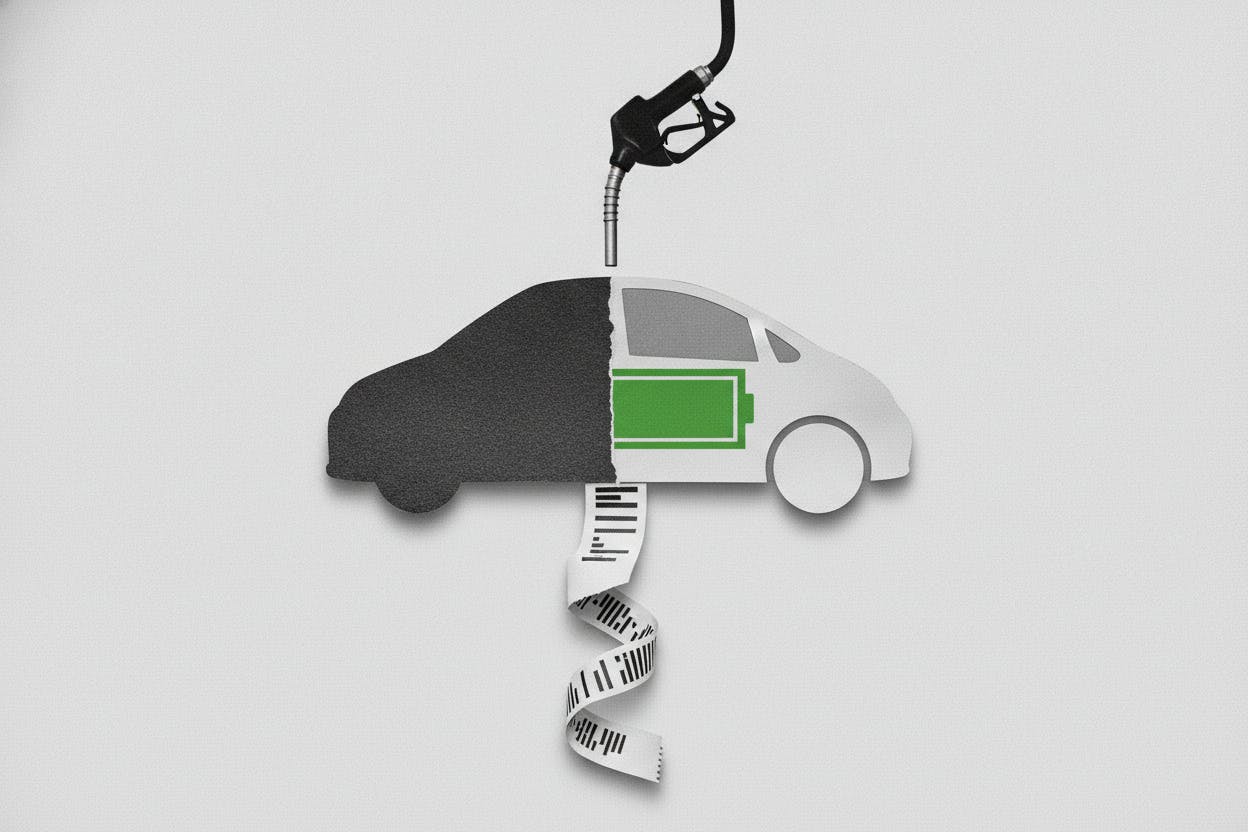
US automakers are on track to report roughly flat second-quarter sales of about 4.16 million vehicles, a surprising result given that gas prices have climbed and consumer confidence remains shaky. The steady pace, reported by S&P Global Mobility, suggests that the mix of who is buying cars—and what they are buying—has shifted enough to cushion the impact of higher fuel costs.
Why sales held up
Car demand typically softens when energy prices spike, as households cut back on big-ticket purchases. But this time, the buyer profile has changed. According to S&P Global Mobility, households earning $100,000 or less made up just 36% of new-vehicle sales last year, down from 51% in 2020. That means a larger share of purchases is coming from wealthier buyers who are better able to absorb higher fuel and living costs.
At the same time, consumers are increasingly turning to hybrids, which offer better fuel economy than traditional gasoline-only models. Automakers have been expanding their hybrid lineups, and the shift is helping to keep overall sales volumes stable even as gas prices rise.
Toyota gains on GM
One notable trend in the quarter is Toyota’s continued advance on General Motors. The Japanese automaker has been benefiting from strong demand for its hybrid models, such as the RAV4 Hybrid and Prius, as well as a reputation for reliability. GM, meanwhile, has been navigating a transition to electric vehicles and facing supply chain challenges.
While GM still leads in total US sales, Toyota’s narrowing of the gap underscores how consumer preferences are evolving. For investors, this is a reminder that automakers with strong hybrid offerings may be better positioned in the current environment than those betting heavily on fully electric vehicles.
What it means for investors
The flat sales figure is a positive signal for the auto sector, suggesting that demand is not collapsing despite headwinds from inflation and higher interest rates. However, the composition of sales matters. If the trend of wealthier buyers dominating the market continues, automakers may need to adjust their product mix and pricing strategies accordingly.
Investors should also watch how rising gas prices affect consumer behavior in the second half of the year. If fuel costs stay elevated, hybrids could gain even more traction, potentially benefiting companies like Toyota and Honda that have strong hybrid lineups. On the other hand, automakers that are heavily reliant on large, gas-guzzling trucks and SUVs could face headwinds.
For broader market context, the resilience in auto sales comes as other parts of the economy show signs of cooling. The Euro Zone Yields Rise Despite Cooling Inflation as US Rates Pull Global Markets Higher story highlights how global interest rate expectations are shifting, which could eventually affect auto loan rates and consumer demand.
Meanwhile, the shift toward hybrids and EVs is part of a larger trend in the energy and transportation sectors. As Australia's Commodity Prices Dip in June as Base Metals Weaken shows, commodity markets are also adjusting to changing demand patterns.
The bottom line
US auto sales are holding steady for now, but the underlying dynamics are shifting. Affluent buyers and hybrids are propping up the market, while Toyota is making inroads against GM. For everyday investors, the key takeaway is that not all automakers are in the same boat—those with strong hybrid offerings may be better insulated from higher gas prices and economic uncertainty.