The US dollar is on track for its strongest monthly performance since July, as a combination of safe-haven demand and shifting expectations for Federal Reserve policy under new Chair Kevin Warsh drives the greenback higher. The move comes ahead of this week's closely watched US jobs report, which could provide further direction for currency markets.
The US Dollar Index, which measures the dollar against a basket of major currencies including the euro and yen, is trading around 101.36, up roughly 2.5% for the month. That would mark the best monthly gain since July of last year, according to data from Reuters.
What's Driving the Dollar Higher?
Two main forces are behind the dollar's rally. First, ongoing geopolitical tensions in the Middle East have pushed investors toward safe-haven assets, and the US dollar remains the world's primary reserve currency in times of uncertainty. Even as some diplomatic efforts aim to de-escalate the situation, disruptions in the Strait of Hormuz have kept oil prices elevated, adding to the risk-off mood.
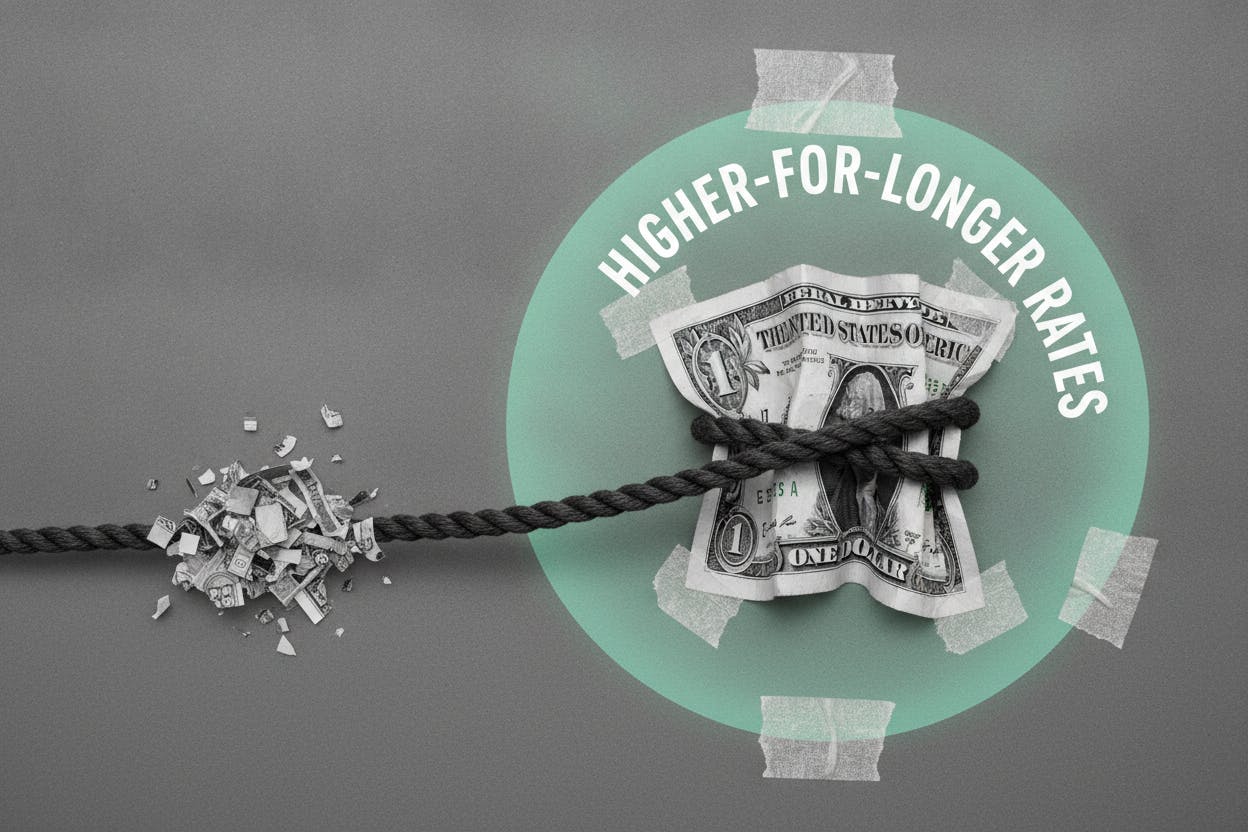
Second, markets are recalibrating their expectations for US interest rates under the new leadership at the Federal Reserve. Kevin Warsh, who took over as Fed Chair earlier this year, is seen as more hawkish than his predecessor. That means he may be more inclined to keep interest rates higher for longer to combat inflation, which tends to support the dollar by making US assets more attractive to foreign investors.
Higher oil prices, meanwhile, can feed into broader inflation, giving the Fed even more reason to maintain a tight monetary policy stance. This dynamic has reinforced the dollar's upward momentum.
Jobs Data in Focus
All eyes are now on this week's US jobs report, which will provide the latest snapshot of the labor market. A strong reading could reinforce the case for higher rates and give the dollar another boost. A weaker number, on the other hand, could raise questions about the economy's resilience and potentially slow the rally.
The jobs report is one of the most important data points for currency markets because it directly influences the Fed's policy decisions. If the economy is adding jobs at a healthy pace, the Fed may feel less pressure to cut rates, which supports the dollar. If hiring slows, it could open the door to rate cuts down the line, which would likely weaken the currency.
What It Means for Investors
For everyday investors, a stronger dollar has mixed implications. On the positive side, it makes imported goods cheaper, which can help keep inflation in check. It also means that US-based investors holding foreign stocks or bonds will see lower returns when converted back into dollars.
On the flip side, a rising dollar can weigh on US multinational companies that earn a significant portion of their revenue overseas, because those foreign earnings are worth less when translated into dollars. Sectors like technology, consumer goods, and industrials with global exposure are often the most affected.
The dollar's strength also has implications for emerging markets. A stronger dollar tends to pull capital away from riskier assets, including emerging-market stocks and bonds, as investors seek the safety of US assets. This dynamic was on display recently when Latin American markets rallied as the dollar retreated from a 13-month high, highlighting the inverse relationship between the greenback and emerging-market currencies.
Commodities are another area to watch. Since most commodities are priced in dollars, a stronger dollar makes them more expensive for buyers using other currencies, which can dampen demand. That's one reason why copper rebounded on a weaker dollar recently, and why gold miners rallied as the dollar eased. A sustained dollar rally could put pressure on commodity prices and the companies that produce them.
Looking Ahead
The dollar's trajectory in the coming weeks will depend heavily on the jobs data and any further signals from the Fed. If the economy continues to show strength and the Fed maintains its hawkish stance, the dollar could extend its gains. But any signs of a slowdown or a shift in Fed rhetoric could quickly reverse the rally.
Investors should also keep an eye on geopolitical developments, particularly in the Middle East. While the market has priced in some level of disruption, a sudden de-escalation could reduce safe-haven demand and take some steam out of the dollar's move. Conversely, any escalation could drive the dollar even higher.
For now, the dollar is enjoying its best month since July, and the market is watching closely to see if the rally has legs.