American workers became notably more productive in the third quarter, and the cost to employers for each unit of output actually declined. That combination is a quiet but significant signal for corporate profits and the broader inflation picture.
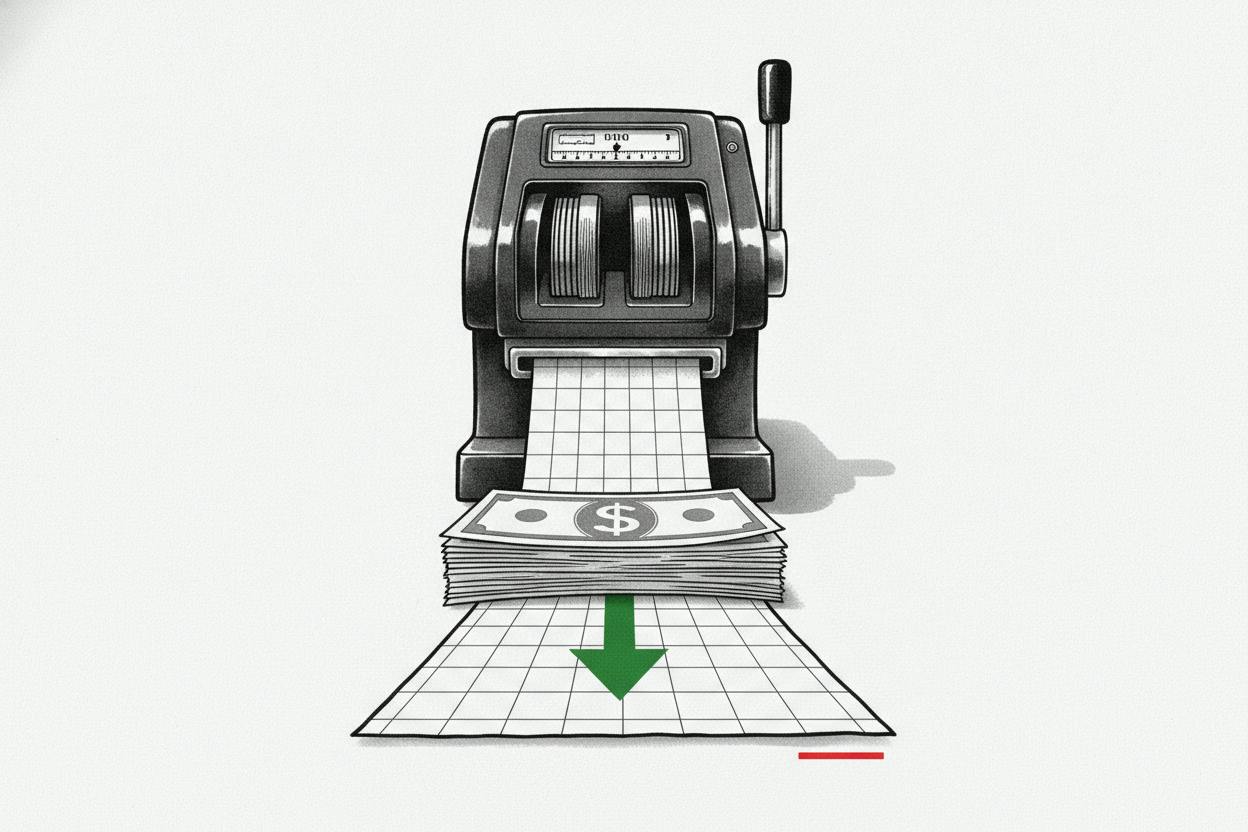
The Labor Department reported that nonfarm productivity rose at a 3.6% annualized rate in Q3, as output grew faster than the total hours worked. At the same time, unit labor costs—the compensation businesses pay to produce a single unit of output—fell 0.7%, reversing a 1.9% increase in the second quarter.
For everyday investors, this data matters because it suggests companies are getting more efficient without having to raise prices aggressively to protect their margins. When productivity outpaces pay growth, it can ease the pressure on inflation and support steadier earnings for broad market indexes like the S&P 500.
Labor market shows mixed signals
The productivity report arrived alongside fresh evidence that the job market is cooling only at the edges. New unemployment claims fell by 6,000 to 189,000 in the week ended October 31st, the lowest level since July. Continuing claims—people already receiving benefits—edged up slightly to 1.718 million in the week ended October 24th.
Layoff announcements remained muted. Challenger, Gray & Christmas, a firm that tracks job-cut plans, counted 43,994 planned reductions in October, up modestly from 43,281 in September but far below the 153,074 announced a year earlier. That pattern aligns with October job cuts staying low while holiday hiring plans hit records.
Meanwhile, Amazon said it plans to hire 300,000 seasonal workers for the holiday rush. That suggests many employers prefer temporary staff over adding permanent headcount, a sign of caution about the economic outlook even as they meet seasonal demand.
What it means for inflation and interest rates
The drop in unit labor costs is particularly notable for the inflation outlook. When productivity rises faster than compensation, companies get more output for each dollar spent on wages and benefits. That can reduce the need to hike prices just to maintain profit margins, especially in labor-intensive service industries.
For investors, this is the kind of data that can support steadier earnings expectations while also taking some heat out of “wage-driven” inflation fears. If markets believe inflation pressure is fading, expectations for future interest rates often cool as well. That tends to matter most for long-duration assets—like growth stocks and longer-term bonds—whose values are more sensitive to where rates end up.
The latest jobless claims figures also reinforce the picture of a resilient but not overheated labor market. With claims at a seven-month low, the economy is still creating enough demand for workers to keep unemployment low, even as companies remain cautious about expanding their permanent payrolls. That backdrop is consistent with expectations for a modest hiring rebound in the October jobs report.
What investors should watch next
For those tracking the economy, the key question is whether this productivity trend can continue. If businesses keep finding ways to do more with less, it could help keep inflation in check without requiring the Federal Reserve to keep interest rates elevated for longer. That would be a favorable environment for both stocks and bonds.
On the other hand, if productivity gains fade and wage growth picks back up, unit labor costs could rise again, reigniting inflation concerns. Investors will be watching upcoming jobs data and any commentary from Fed officials for clues about the path of rates.
For now, the combination of strong productivity, falling unit labor costs, and low jobless claims paints a picture of an economy that is growing efficiently—with less inflationary pressure than many feared. That’s a scenario that can support corporate profits and, ultimately, investor portfolios.