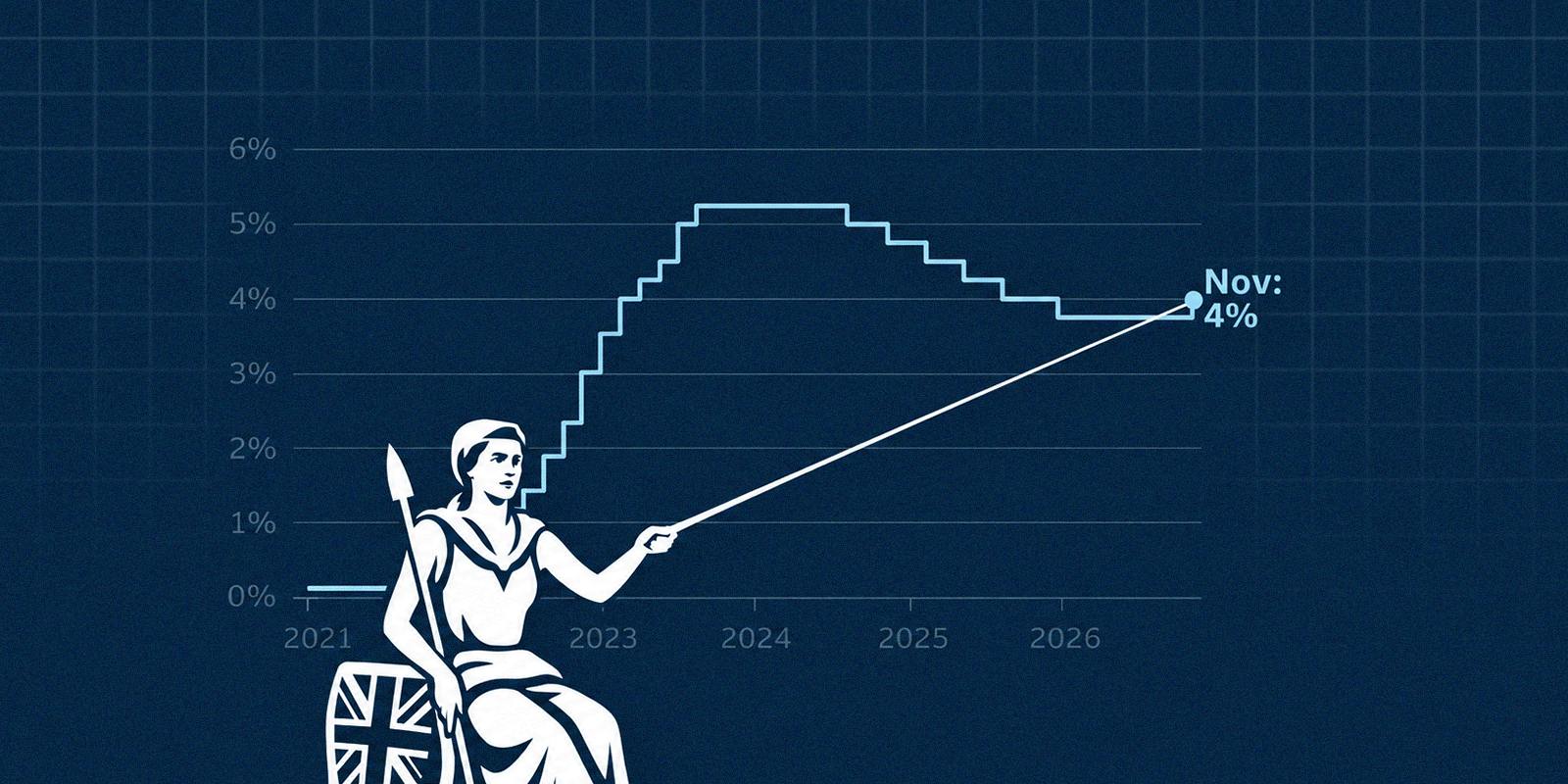
The Bank of England (BoE) has joined the global rate-hiking club, lifting its key interest rate by a quarter of a percentage point. It is the first increase from the UK central bank since 2023, and it comes as policymakers around the world battle a fresh wave of inflation driven by higher energy prices.
The move puts the BoE in line with several other major central banks that have also tightened policy this year. The European Central Bank has raised rates twice in 2025, and the US Federal Reserve hiked in September—its first increase since 2023. Japan, meanwhile, began raising rates in early 2024 and has continued since.
Why are central banks hiking again?
The common thread is energy. The conflict in the Middle East has kept oil and gas prices elevated throughout the year, feeding into the cost of everything from petrol to heating and manufacturing. That has pushed inflation back up in many economies, reversing some of the progress made in 2023 and 2024.
Central banks use higher interest rates as a tool to cool spending and borrowing, which in theory helps bring price rises under control. But it is a blunt instrument—raising rates can also slow economic growth and make borrowing more expensive for households and businesses.
The BoE's own forecast underscores the challenge. It now expects British inflation to hit almost 5% by the middle of next year, a level well above its 2% target. The central bank's governor warned that unless action is taken, price pressures could become entrenched.
What this means for UK households and investors
For everyday investors, the immediate effect is on borrowing costs. A quarter-point rise means variable-rate mortgages and loans will become more expensive, while savers may see slightly better returns on cash deposits. But the bigger picture is about the path of inflation and interest rates over the next year.
If inflation stays near 5%, the BoE may be forced to raise rates further. That would likely keep bond yields elevated and could weigh on stock valuations, particularly for companies that rely heavily on borrowing. On the other hand, if energy prices ease, the central bank could pause or even reverse course.
The FTSE 100 slipped after the announcement, reflecting investor concerns about the impact of higher rates on economic growth. UK stocks with international earnings may be less affected, as they benefit from a weaker pound, but domestic-focused firms could feel the pinch.
A global trend
The BoE's move is part of a broader shift. Central banks in Europe, the US, and Asia have all been tightening policy in response to energy-driven inflation. The Czech central bank has also resumed rate hikes, warning that inflation could top 3% there. In Latin America, markets have been reacting to central bank signals as investors try to gauge how far the hiking cycle will go.
For investors, the key takeaway is that the era of ultra-low interest rates is firmly in the rearview mirror. That changes the calculus for everything from bond portfolios to growth stocks. Higher rates tend to favour value and income stocks over high-growth tech names, and they make government bonds more attractive relative to riskier assets.
What to watch next
Investors will be watching two things closely. First, whether energy prices continue to climb, which would put more pressure on central banks to act. Second, how economies cope with higher borrowing costs—if growth slows sharply, central banks may be forced to pivot back to cuts.
The BoE's next meeting will be scrutinised for clues about its future path. For now, the message from central banks around the world is clear: they are willing to raise rates to bring inflation down, even if it means some economic pain.
For ordinary investors, the advice is to stay diversified and avoid making big bets based on a single rate decision. The global economy is in a delicate balancing act, and the path of interest rates will remain a key driver of market returns for the foreseeable future.