US restaurant chains managed to grow sales in the second quarter even though fewer customers walked through their doors, according to a new analysis from UBS. The investment bank found that foot traffic fell 1.9% during the period, but that decline was more than offset by diners spending more each time they visited. As a result, comparable sales—a key industry metric that tracks revenue at stores open at least a year—rose 1.7%.
The numbers paint a picture of a consumer who is still willing to spend on eating out, but is doing so more selectively. UBS analyst Dennis Geiger noted that the consumer backdrop remained tight in the second quarter, which showed up in the traffic decline. Yet those who did show up were willing to trade up or add extras, lifting the average check size.
Why sales rose despite fewer diners
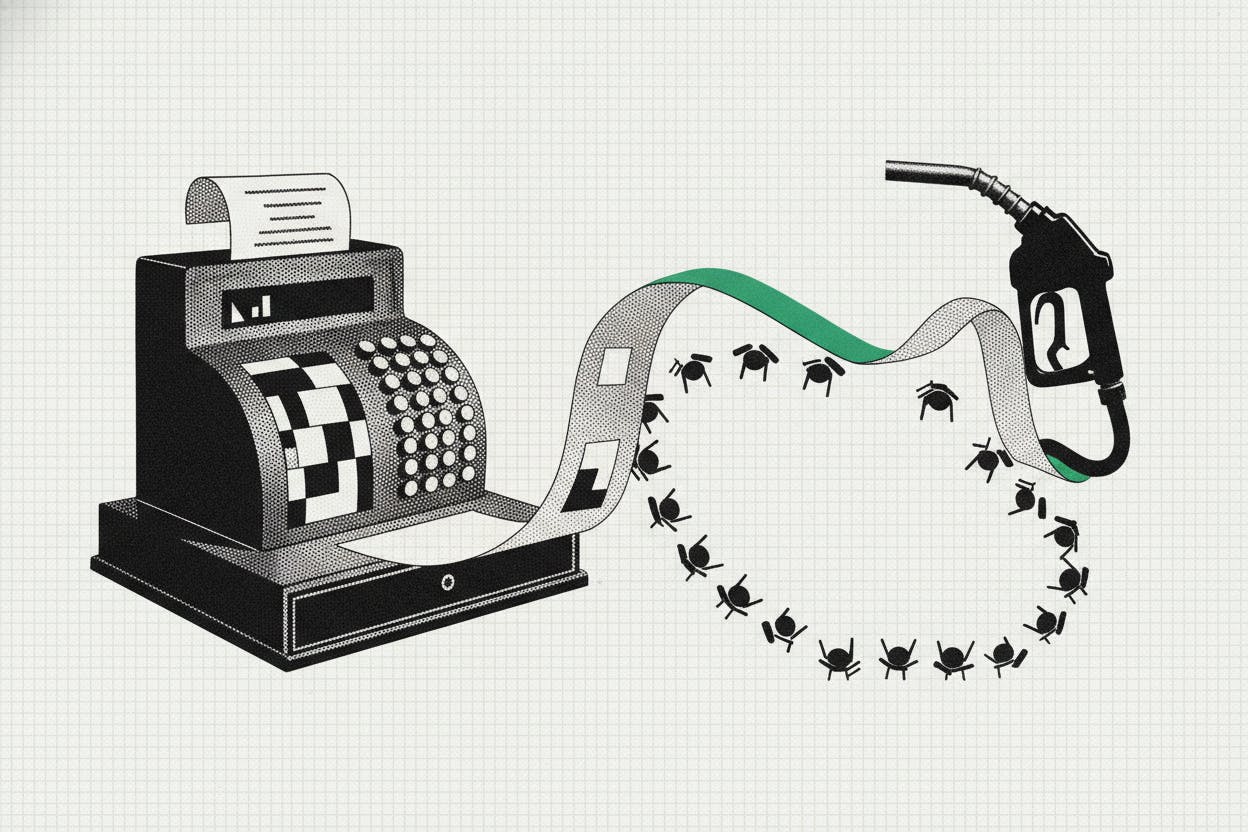
The improvement in comparable sales was notable because it accelerated from the first quarter, when growth stood at 1.1%. That suggests the trend of higher spending per visit gained momentum as the spring progressed. The key driver, according to UBS, is the price of gasoline. Fuel is what the bank calls the industry's most pressing pressure point because it directly eats into the discretionary budgets that families might otherwise use for restaurant meals.
Data from AAA cited by UBS put the average retail price of a gallon of gasoline at $4.0898, compared with $3.2103 a year earlier. That is a jump of roughly 27%, a significant hit to household finances. When filling up the tank costs more, many consumers cut back on the number of times they eat out—but those who still go may be more deliberate about what they order, perhaps splurging on appetizers or desserts to make the trip feel worthwhile.
This dynamic is not unique to restaurants. Across the broader consumer economy, companies are seeing similar patterns: fewer transactions, but higher average spending. It is a sign that inflation is still squeezing budgets, even as overall spending holds up.
What it means for investors
For investors, the UBS data offers a mixed signal. On one hand, the fact that comparable sales are still growing is a positive for restaurant chains, as it shows their brands remain relevant and their pricing power is intact. On the other hand, the reliance on higher spending per visit rather than more customers is a fragile foundation. If gas prices stay elevated or rise further, traffic could keep falling, and at some point, the higher checks may not be enough to offset the lost visits.
Restaurant stocks are often seen as a barometer of consumer health, and the sector's performance can be sensitive to shifts in discretionary spending. When fuel costs spike, investors often worry about the impact on lower- and middle-income households, who are the most likely to cut back on dining out. That could weigh on the shares of casual dining and fast-food chains that cater to those demographics.
However, the data also suggests that consumers are not abandoning restaurants entirely. They are simply being more careful about when and where they go. That could benefit chains that offer strong value or unique experiences, as those are the ones most likely to win the battle for a smaller pool of visits.
Looking ahead, investors will be watching several factors. First, whether gas prices continue to climb or start to ease, as that will directly influence traffic trends. Second, whether restaurant companies can keep raising prices without scaring off customers—a delicate balance. Third, how the broader economy performs, particularly the job market, since employment is the biggest driver of consumer confidence and spending.
The UBS report did not break out results by individual chains, but the industry-wide numbers give a sense of the environment that publicly traded restaurant companies are operating in. When they report their own quarterly earnings, investors will be looking to see if they can match or beat the industry's comparable sales growth, and what they say about traffic trends and pricing plans.
In the meantime, the takeaway for everyday investors is that the restaurant industry is navigating a tricky period. Sales are still growing, but the engine of that growth has shifted from attracting more customers to getting more money out of the ones who come. That is a less durable source of growth, and it leaves the sector vulnerable if consumer spending weakens further.
For those with money in restaurant stocks or funds that hold them, the key is to watch the same indicators that UBS is tracking: traffic, average check size, and the price at the pump. A sustained drop in traffic would be a warning sign, while a moderation in gas prices could provide relief and help bring diners back.
As always, past performance is no guarantee of future results, and individual companies can diverge sharply from industry averages. But the UBS data provides a useful snapshot of where the sector stands today—and the challenges it faces in the months ahead.