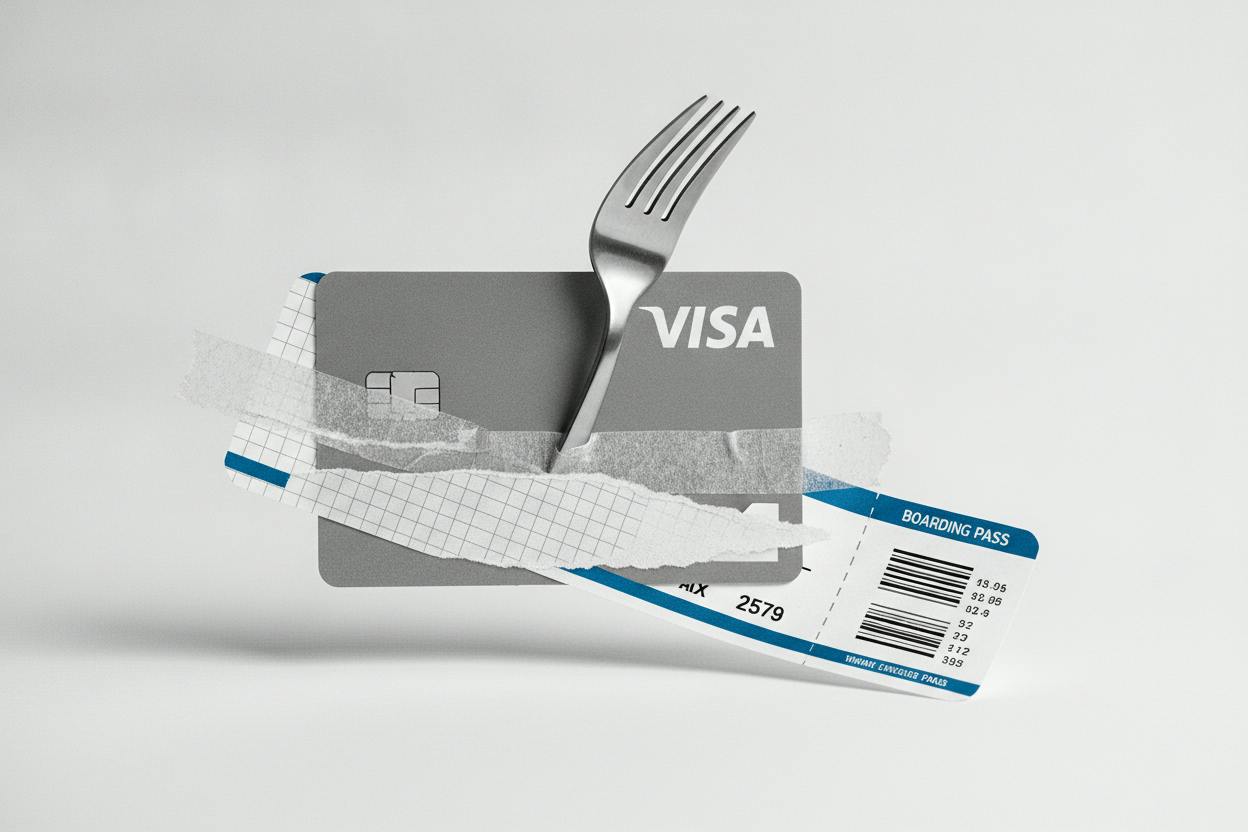
Visa, the world's largest card network, reported a strong jump in quarterly profit, powered by consumers swiping their cards for travel and dining. The company said payments volume rose 9% and cross-border volume—spending on Visa cards outside the cardholder's home country—climbed 14%. Despite the upbeat numbers, the stock slipped in after-hours trading, a pattern that has become familiar in recent earnings seasons.
Why travel and dining matter so much to Visa
Visa doesn't lend money on your card balance like a bank does. Instead, it earns fees for routing and securing payments for banks and merchants. That means its revenue scales directly with the amount of spending that flows through its network. When people travel and dine out, they tend to spend more per transaction, and cross-border transactions are particularly lucrative for Visa.
The 14% jump in cross-border volume is a key indicator. International travel has rebounded strongly as pandemic-era restrictions faded, and tourists and business travelers are swiping their cards abroad. Dining out, meanwhile, remains a resilient category even as consumers show signs of caution in other areas. Together, these categories helped drive the profit beat.
Visa's model is often described as a tollbooth for the payments system. Every time a card is used, Visa takes a small cut. That makes it a highly scalable business: when spending rises, revenue grows without needing to add much in the way of new costs. That's why investors watch payment volumes so closely—they're a direct line to the company's bottom line.
Why the stock slipped despite the good news
It might seem odd that shares fell after a strong earnings report. But this is a common reaction when a company beats expectations but the market had already priced in an even bigger beat. Investors often focus on forward guidance, and if the company's outlook doesn't blow past estimates, the stock can drift lower.
In Visa's case, the after-hours dip could also reflect broader concerns about consumer spending. While travel and dining are strong, other categories—like retail goods—have shown signs of softening as inflation and higher interest rates weigh on household budgets. If consumers start to pull back, payment volumes could slow, and that would hit Visa's revenue growth.
This dynamic is not unique to Visa. Other payments companies have seen similar reactions. For example, PayPal's turnaround plan has started to show up in profit forecasts, but its stock has also been volatile as investors weigh the pace of growth. The broader market has been sensitive to any hints of a slowdown in consumer spending, especially with AI spending potentially keeping Fed rates higher for longer.
What it means for everyday investors
For ordinary investors, Visa's report is a window into the health of the consumer. When people are traveling and eating out, it's a sign that they feel confident enough to spend on discretionary experiences. That's a positive signal for the broader economy, even if the stock market's reaction is muted.
But it's also worth remembering that Visa's fortunes are tied to the overall level of spending. If the economy slows and consumers tighten their belts, Visa's growth will slow too. That's why investors should watch not just Visa's numbers, but also data on consumer confidence, retail sales, and employment.
Visa's results also highlight the resilience of the payments industry. Even as some companies struggle, the shift from cash to cards continues, providing a tailwind for networks like Visa. That long-term trend is one reason many investors view Visa as a core holding in a diversified portfolio.
However, the after-hours slip is a reminder that even good news can be met with skepticism if the market was expecting more. As with any stock, it's important to look beyond the headline numbers and consider the broader context.
What to watch next
Investors will be listening to Visa's earnings call for any commentary on the strength of consumer spending in the current quarter. They'll also be watching for updates on the company's share buyback program and any changes to its outlook for the full year.
Beyond Visa, the payments sector as a whole is a barometer for global commerce. Rivals like Mastercard and American Express will report soon, and their numbers will provide additional color on whether travel and dining spending is a broad trend or specific to Visa.
For now, Visa's profit jump is a positive sign, but the stock's dip shows that investors are looking ahead. The question is whether the consumer can keep spending at this pace, especially with global economic signals mixed and other companies seeing similar stock reactions despite strong earnings.
In the end, Visa's report is a reminder that the market is forward-looking. Today's strong numbers are already in the price; what matters is what comes next.