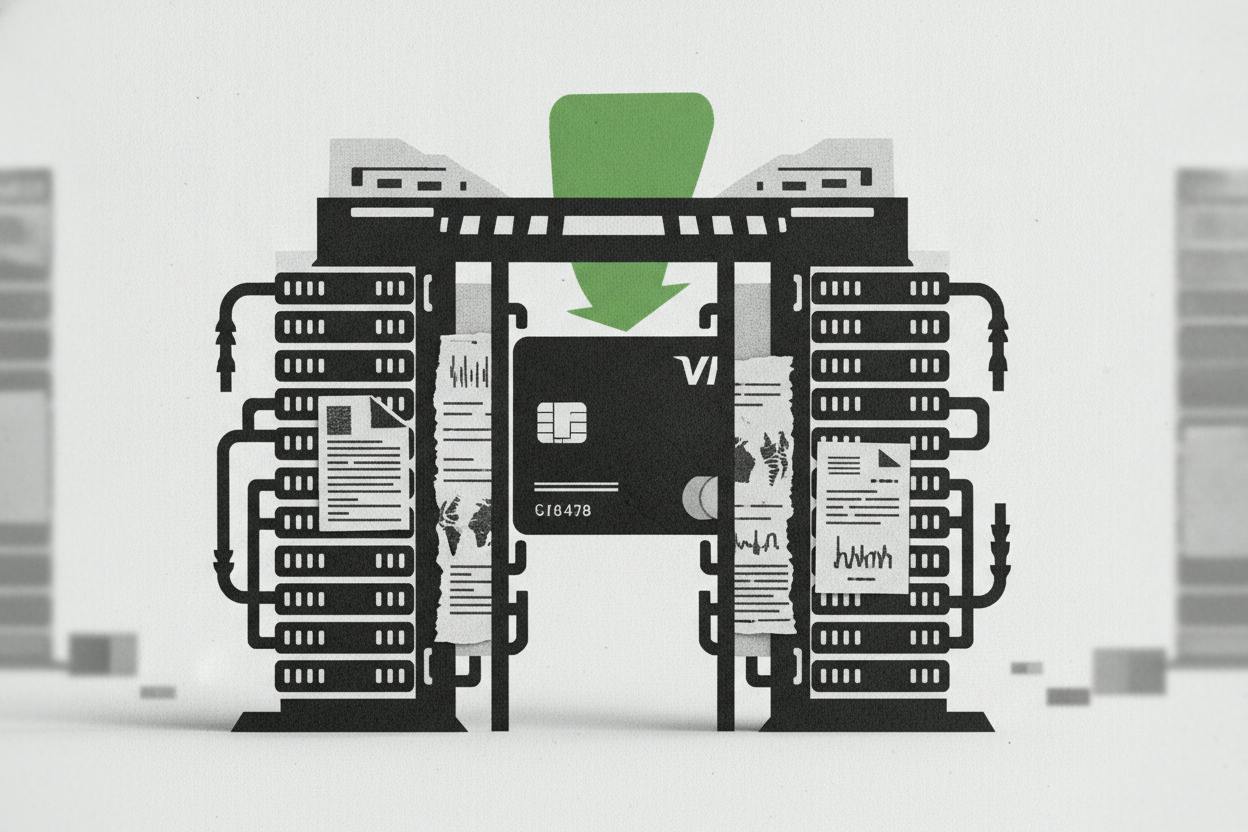
Visa has taken a significant step toward processing domestic payments in China. The company said China's central bank has approved it to begin preparations for a local bankcard clearing institution, a necessary first move before it can handle yuan-denominated card transactions inside the country.
The approval is the latest development in a long-running effort by global payment networks to break into China's vast payments market. While China has technically allowed foreign card networks to operate since 2016, the reality has been far more complex. To clear payments locally, firms must build onshore technology and data infrastructure, including resilient backup systems, then pass regulatory testing and secure follow-on licenses.
Visa's CEO Ryan McInerney described the approval as a meaningful step in the company's push to deepen its presence in China, but cautioned that it is still early in a multi-stage process. The company will now need to invest in local systems, compliance processes, and connectivity to Chinese counterparts before it can process meaningful transaction volume.
What this means for Visa's business
For Visa, the prize is access to one of the world's largest consumer markets. Currently, the company primarily relies on cross-border spending—tourists and business travelers using Visa cards abroad. A domestic clearing license would allow it to compete for the huge volume of yuan-based card payments made by Chinese consumers and businesses.
However, the approval is a milestone, not a revenue switch. The phrase "begin preparations" signals that significant work lies ahead. Visa will need to establish local infrastructure, pass rigorous testing, and obtain additional licenses before it can process transactions. These steps take time and money, meaning near-term costs are likely to rise before any meaningful revenue can flow.
Mastercard, another global payments network, provides a useful reference point. It received a similar approval in 2023 through a joint venture with NetsUnion, a Chinese payments clearing platform. That deal illustrates how structured and lengthy the path can be, and it gives investors a template for what Visa's journey might look like.
Broader context: US-China relations
The approval also comes against a backdrop of improving US-China engagement. Reuters linked Visa's progress to recent diplomatic efforts between the two countries, suggesting that market access in payments can move with the broader regulatory and political climate. This is not the first time China has used market access as a tool in bilateral relations, and it likely won't be the last.
For investors, the news reduces one big uncertainty: whether Visa can eventually compete for domestic, yuan-based card flows rather than relying mainly on cross-border spending. But it also introduces new questions about timelines and spending. The market will now focus on the next checkpoints—follow-on licenses, testing milestones, and the capital required to build out the operation.
Until those milestones are cleared, the approval matters more for long-term optionality than for next quarter's payment volumes or fees. Visa's stock is unlikely to see a major immediate boost from this news, but it does strengthen the company's strategic position in a key growth market.
What it means for investors
For everyday investors, this is a story about a company expanding into a new market, not a signal to rush out and buy shares. Visa is a well-established payments giant, and this approval is one step in a long process. The company will need to invest heavily in local infrastructure, and there is no guarantee that it will achieve the same scale as domestic players like UnionPay, which dominates China's card market.
Investors should watch for updates on Visa's progress in China, including any announcements about follow-on licenses or partnerships. The Mastercard-NetsUnion joint venture offers a roadmap, but each company's path can differ. Also worth noting is the broader trend of foreign companies gaining access to Chinese markets, which can be influenced by political winds. For context on how China's markets are moving, you might look at the yuan's recent stability or the central bank's gold purchases.
In the meantime, Visa's approval is a positive sign for the company's long-term ambitions, but it's not a reason to change your portfolio. The real test will come when Visa starts processing its first yuan transactions—and that could still be years away.