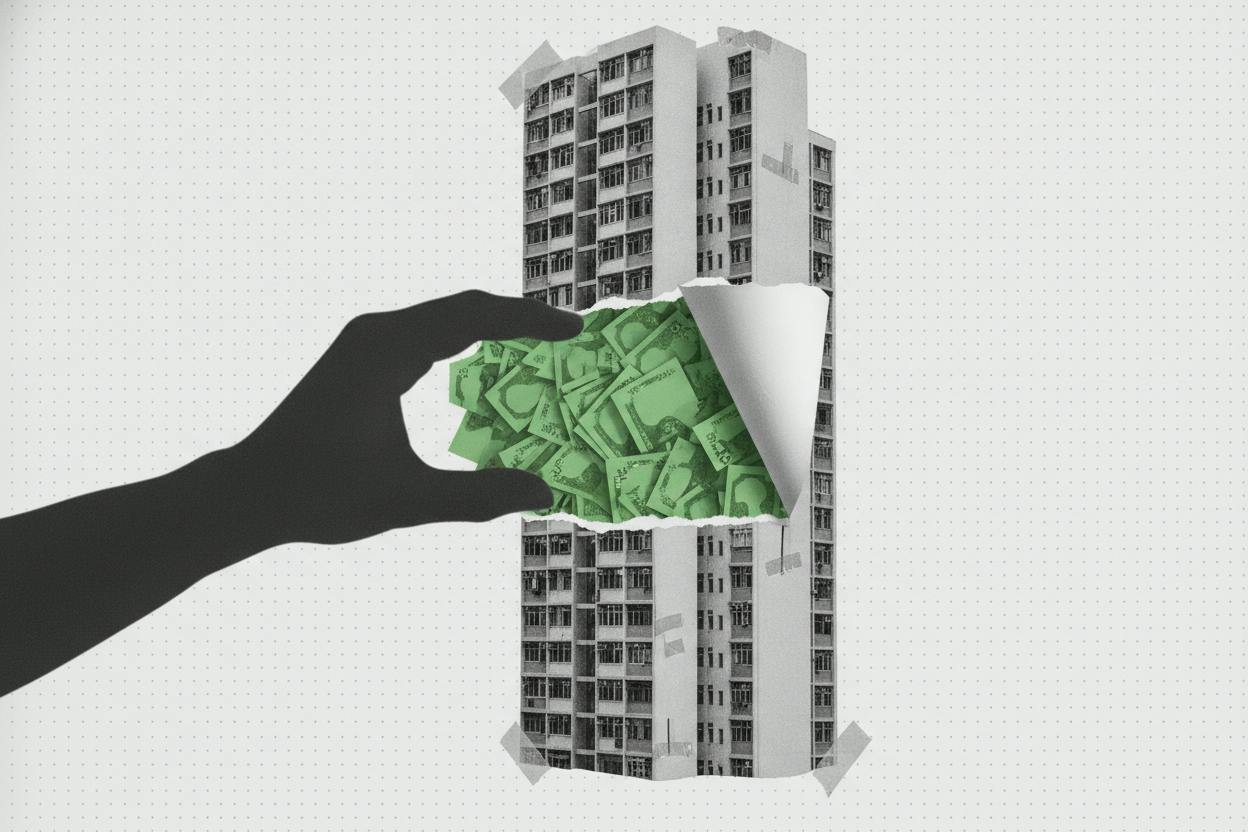
Vivid Seats, the online ticket marketplace, announced a major balance-sheet restructuring that will hand lenders roughly 80% of the company's equity in exchange for wiping out about $273 million of secured debt. The move, which also includes $66 million in new term loans and an extension of remaining maturities to 2032, sent shares soaring more than 50% on unusually heavy trading volume.
What is a balance-sheet reset?
For everyday investors, a balance-sheet reset is like refinancing a mortgage while also giving the bank a slice of your home's future value. In Vivid Seats' case, the company is swapping a large chunk of its secured debt—money borrowed against specific assets—for newly issued stock. This reduces the amount of cash the company must set aside for interest payments and principal repayments, freeing up funds for operations and growth.
The deal also includes $66 million in new term loans, which are bank-style loans repaid over a set schedule. By adding this fresh borrowing and pushing the maturity of existing debt out to 2032, Vivid Seats buys itself time to recover and grow without the immediate pressure of looming debt payments.
Why is the stock jumping?
Investors often view such resets as a positive sign because they lower the risk of bankruptcy or financial distress. By reducing leverage—the ratio of debt to equity—the company becomes more stable and less vulnerable to economic downturns. The 50% surge reflects relief that the company is taking proactive steps to strengthen its finances, even though existing shareholders are being heavily diluted.
Dilution means that the pie is being split into more pieces. With lenders receiving 80% of the equity, current shareholders' ownership stake shrinks dramatically. However, if the alternative was a potential default or forced sale, many investors see the dilution as a lesser evil.
What does this mean for investors?
For those holding Vivid Seats stock, the immediate reaction is positive, but the long-term picture is more nuanced. The company is trading a significant portion of future upside to lenders in exchange for immediate financial relief. This is a classic trade-off: lower risk today for lower potential reward tomorrow.
Investors should also note that the new term loans add to the company's debt load, even as the overall leverage decreases. The key metric to watch will be whether Vivid Seats can generate enough cash flow to service its remaining obligations and invest in growth. The company's ability to execute its business plan will determine whether this reset is a stepping stone to recovery or just a temporary fix.
Similar restructuring deals have occurred across industries. For instance, Plesio's debt reset could hand Kretinsky 80% control, illustrating how lenders often gain control in exchange for debt relief. In the retail sector, Brunt Workwear's $800M private equity deal shows how companies can bring in new capital while keeping founders involved. And Henry Schein's accounting reset highlights how financial adjustments can impact future outlooks.
What to watch next
Investors will be watching for details on the exact terms of the debt-for-equity swap, including the conversion price and the number of shares issued. They'll also monitor the company's next earnings report to see if the reduced debt burden translates into improved profitability. The success of this reset will depend on Vivid Seats' ability to grow its marketplace and compete with larger players like Ticketmaster.
For now, the market has given a thumbs-up, but the real test will come in the months ahead. As with any distressed company, the path to recovery is rarely linear. This deal buys time, but it doesn't guarantee success. Investors should weigh the potential upside against the significant dilution and the ongoing challenges in the live events industry.