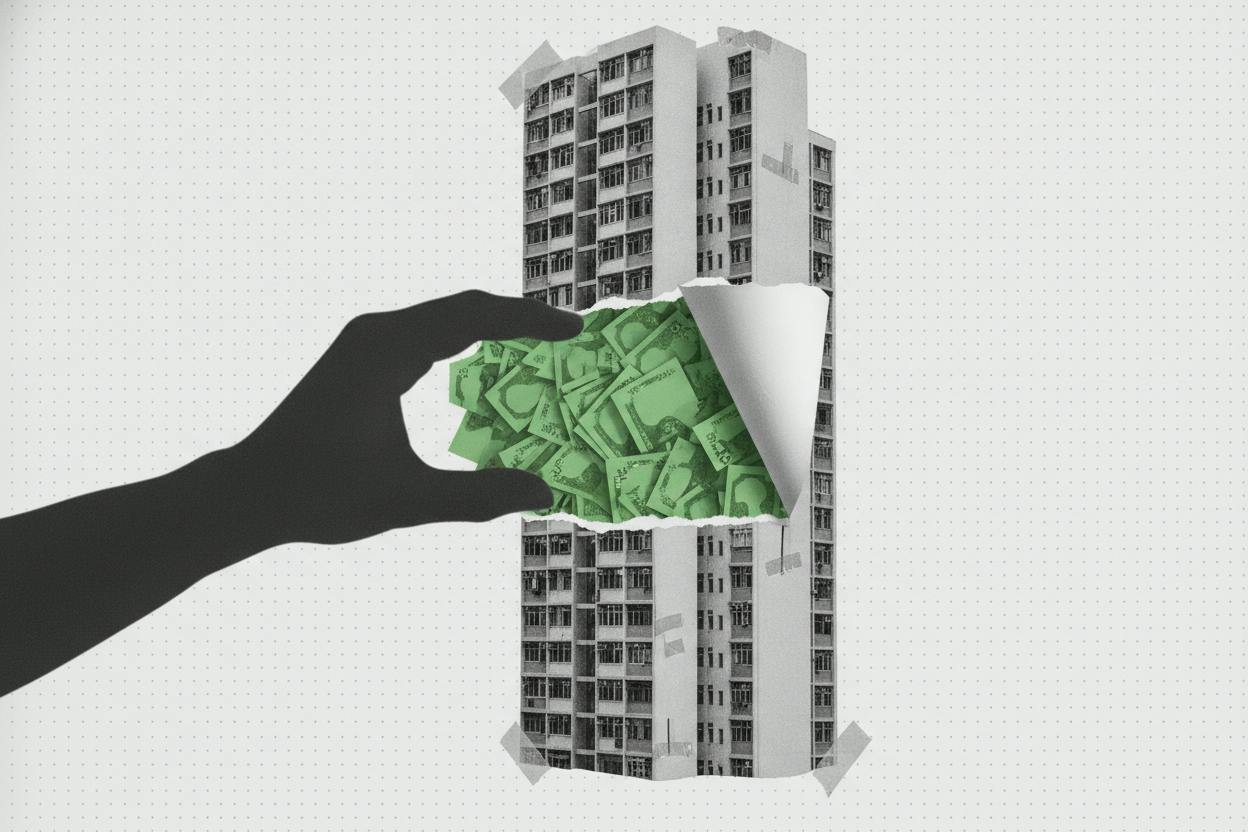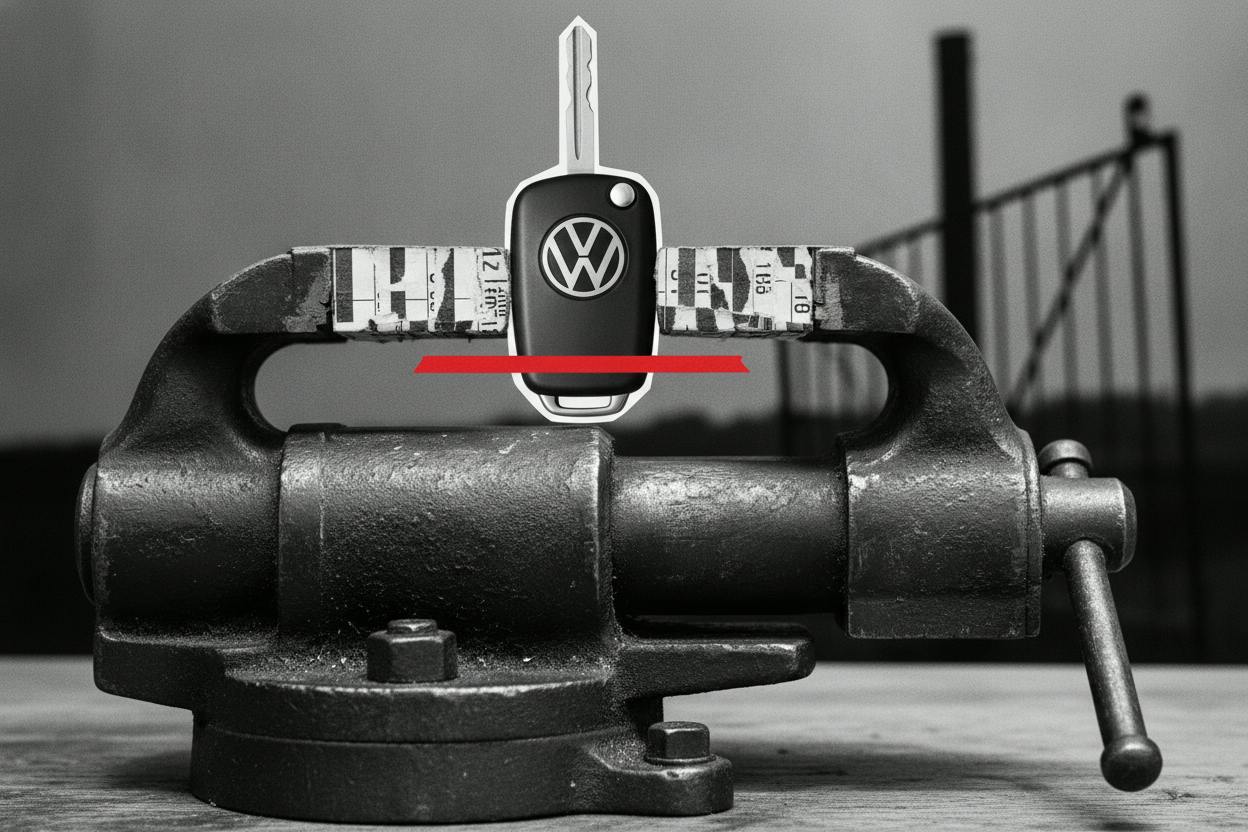
Volkswagen is bracing for a showdown with Germany's powerful IG Metall union as wage negotiations begin Tuesday in Emden. Management is demanding a two-year pay freeze, reduced bonuses, and more flexibility on working hours, while the union is pushing for a 5% raise and has warned that strikes could begin as early as January.
The gap between the two sides is unusually wide, setting the stage for a tense and potentially disruptive round of bargaining at Europe's largest carmaker.
What Volkswagen wants
Volkswagen says it needs to cut labor costs to stay competitive, especially as it invests heavily in electric vehicles and faces rising competition from Chinese automakers. The company is proposing to freeze base pay for two years, scrap a bonus that workers currently receive either in cash or as extra time off, and gain the right to increase working hours when demand spikes without automatically raising wages.
That last point is key: it would allow Volkswagen to squeeze more output from the same wage bill, a move that could help offset rising costs elsewhere. But it's a significant concession for workers, who would lose both guaranteed pay increases and some control over their schedules.
The demands are part of a broader overhaul led by CEO Oliver Blume, which reportedly includes plans to cut 100,000 jobs and potentially close one of Volkswagen's four German plants starting in the early 2030s. The company has already ended most existing wage agreements, a move that has heightened tensions and made the current talks even more critical.
IG Metall's position
IG Metall, Germany's largest industrial union, is taking the opposite approach. It is demanding a 5% wage increase, arguing that workers deserve a share of the company's profits and that pay freezes would hurt morale and spending power.
The union has also signaled that it is prepared to strike. Workers have been openly discussing walkouts from January, which would be a serious escalation. Strikes at auto plants are costly because factories have high fixed costs—equipment depreciation, utilities, maintenance, and salaried staff—that don't drop much when assembly lines slow or stop.
If strikes do happen, Volkswagen could face a double hit: fewer cars leaving the factory, and higher unit costs because the same overhead gets spread over fewer vehicles. That would directly pressure the company's earnings, which are already under strain from the transition to electric vehicles and softer demand in key markets.
What it means for investors
For investors, the key question is how quickly a labor dispute can turn into an earnings problem. Auto manufacturing is capital-intensive, and any disruption to production can have an outsized impact on profitability.
Even if strikes are avoided, the outcome of these talks will shape Volkswagen's cost structure for years. A deal closer to the union's 5% demand, or one that fails to cut bonuses and add flexible hours, would raise per-car labor costs and make near-term profits more dependent on high production volumes.
That's a risky position for a company that is already planning significant job cuts and plant closures. The tension between cost-cutting and labor demands is a classic challenge for legacy automakers, and Volkswagen's resolution will be closely watched by investors.
Beyond Volkswagen itself, the dispute could ripple through the German supply chain. Parts suppliers that rely on steady factory schedules could see order fluctuations if strikes disrupt production. That makes the talks relevant not just to Volkswagen shareholders, but to anyone with exposure to the broader European auto sector.
In the meantime, investors will be watching for any signs of progress or escalation. The fact that both sides are digging in suggests this could be a long and contentious negotiation, with the risk of strikes hanging over the company into the new year.
For now, the market is likely to price in some uncertainty, and any news of walkouts or a breakdown in talks could weigh on Volkswagen's shares. Conversely, a quick and moderate deal could provide some relief, but given the wide gap between the two sides, that seems unlikely in the near term.