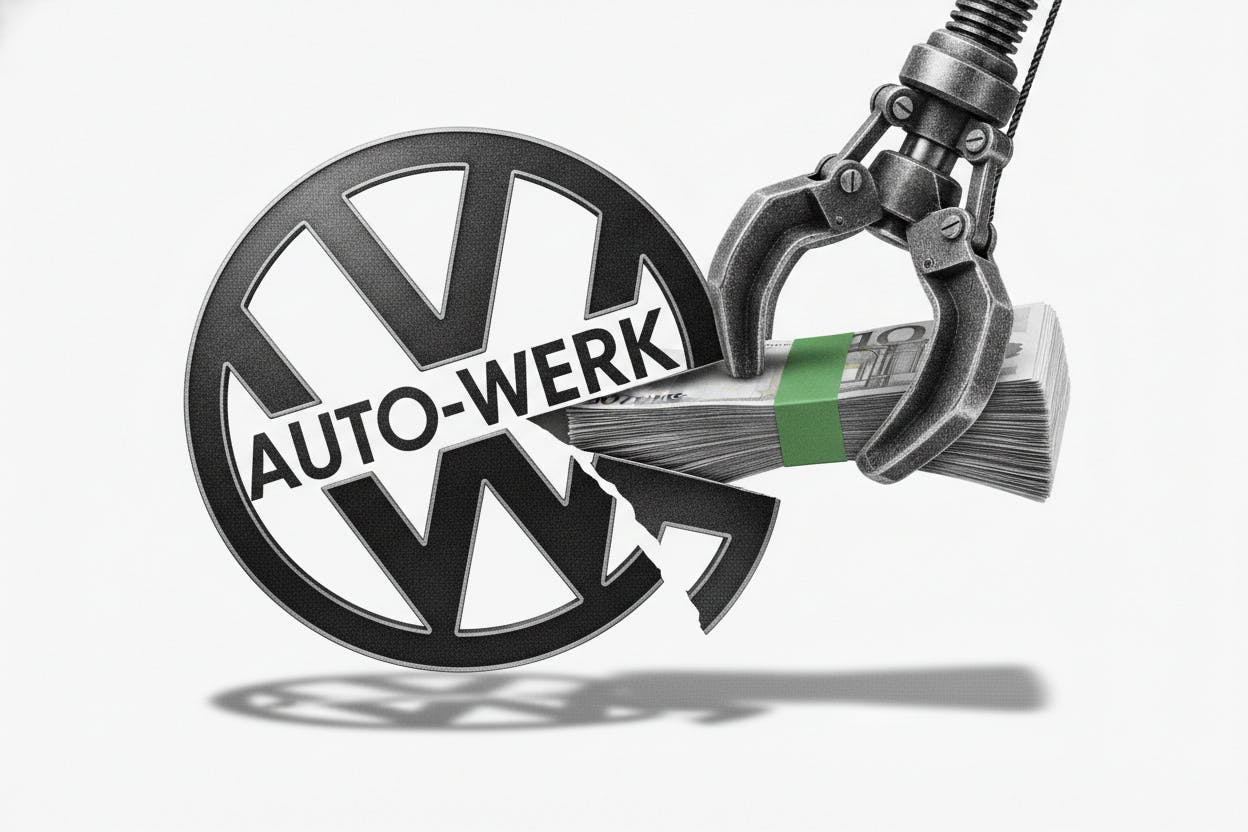
Volkswagen has agreed to sell a 51% stake in its marine engine unit, Everllence, to private equity firm Bain Capital, in a deal expected to close by the end of this year. The German automaker said it expects to receive €7.4 billion in proceeds from the transaction, which follows a competitive bidding process that also involved CVC Capital Partners and EQT AB.
For Volkswagen, the sale is part of a broader push by CEO Oliver Blume to streamline the company's sprawling operations and refocus on its core automotive business. That core business is under significant pressure: tariffs, intensifying competition from Chinese automakers, and the enormous capital spending required to transition to electric vehicles (EVs) have all weighed on profits in recent quarters.
What the Deal Means for Volkswagen's Balance Sheet
The €7.4 billion figure includes not just the purchase price but also a revaluation of Everllence and changes to its debt at completion. Reuters estimates the deal implies a valuation of more than €9 billion for the entire unit. The transaction is structured as a leveraged buyout, meaning Bain Capital will use significant borrowed money to fund the acquisition.
For Volkswagen, the cash injection provides much-needed balance-sheet flexibility. Selling a majority stake frees up capital that was previously tied up inside Everllence, and the resetting of the unit's debt will also improve Volkswagen's net debt position. That matters because the carmaker is trying to fund an expensive EV transition at the same time its day-to-day earnings are being squeezed by tariffs and Chinese rivals.
The deal also had a governance wrinkle. EQT's consortium included Porsche SE, Volkswagen's biggest shareholder, which prompted a closed-envelope bidding process and led some board members to abstain from voting to avoid conflicts of interest. Bain ultimately prevailed, beating out both CVC and the EQT-led group.
What Investors Should Watch Next
Volkswagen has not yet said how it will use the €7.4 billion in proceeds. The company said it will decide later, once the leveraged buyout is finalized. Investors are likely to focus on that decision, as it will signal management's priorities. The cash could be used to reduce debt, reinvest in new models and software, or cushion the costs of restructuring the core automotive business.
Until that decision becomes clearer, the main market impact of the deal is the extra financial headroom it creates. That is a positive for a company that has been under pressure to show it can fund its transformation without taking on excessive debt. The sale also demonstrates that Volkswagen's non-core assets can attract strong interest from private equity, which could encourage further divestitures down the line.
This is not the first time Bain Capital has done business with Volkswagen. Earlier this year, the private equity firm also bought Volkswagen's marine unit, as reported in Dealmakers Surge: Bain Buys Volkswagen Marine Unit, EasyJet Rejects Bid. That deal, like this one, was part of Volkswagen's strategy to slim down and focus on its core automotive business.
For everyday investors, the key takeaway is that Volkswagen is taking concrete steps to strengthen its balance sheet at a time when the auto industry faces significant headwinds. The €7.4 billion from the Everllence sale gives the company more options as it navigates the costly transition to electric vehicles and the competitive pressures from Chinese automakers. Whether that translates into better returns for shareholders will depend on how wisely Volkswagen deploys that cash.
The broader context is that many legacy automakers are in a similar position: they need to invest heavily in EVs and software while their traditional combustion-engine businesses face declining margins. Selling non-core assets is one way to raise the necessary capital without taking on more debt or issuing new shares. Volkswagen's move could set a precedent for other European carmakers considering similar divestitures.