Volkswagen is reportedly exploring a sweeping restructuring that could include up to 100,000 job cuts and the eventual closure of four German production sites, according to a report from German outlet Manager Magazin on Friday. The news marks a potential escalation of cost-cutting efforts at Europe's largest automaker, which is grappling with intense competition from Chinese rivals, trade barriers, and the high costs of transitioning to electric vehicles (EVs).
What the Report Says
Manager Magazin, citing internal documents, says CEO Oliver Blume and CFO Arno Antlitz are considering a plan to "completely restructure" Volkswagen. This would involve splitting the core VW brand and some parts-making operations into separate entities, a move that could make each business more transparent to investors. The report also claims the group would reduce planned investment by about 15% to just over €130 billion over the next five years.
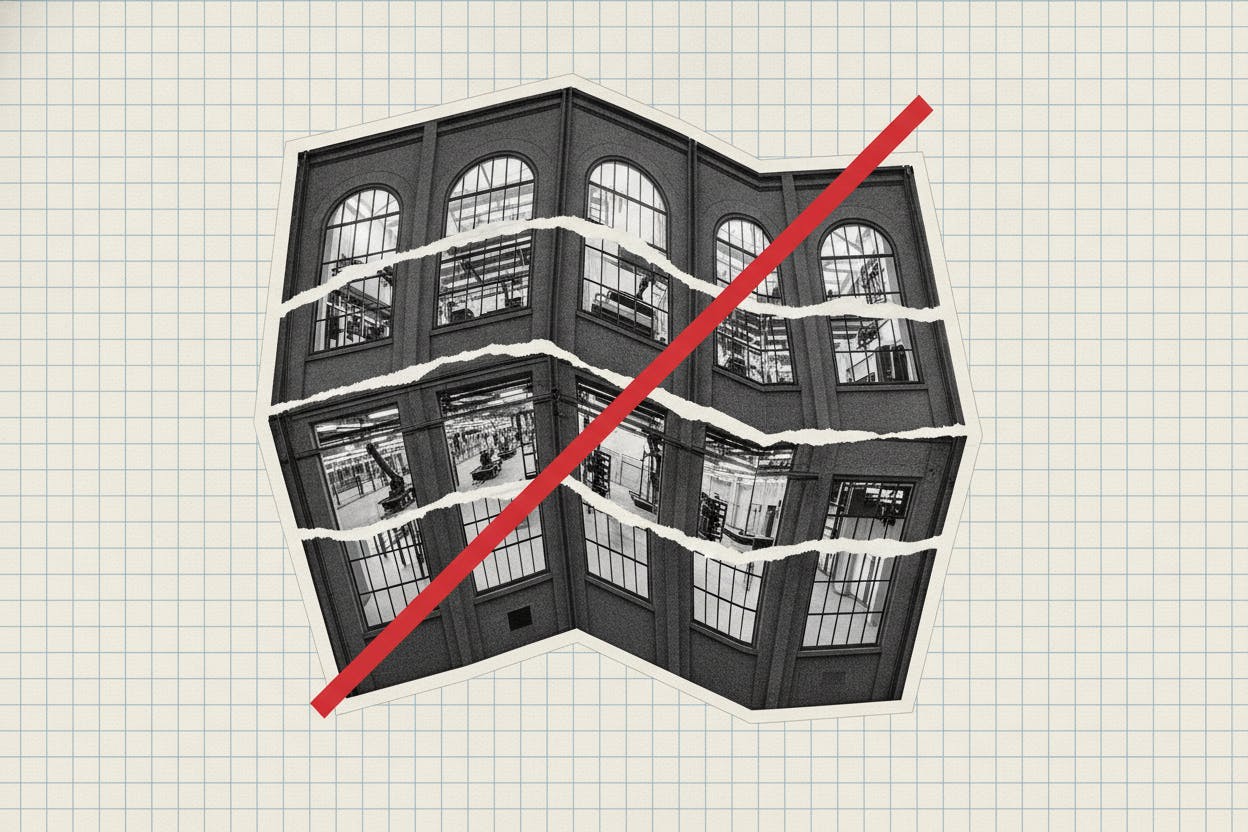
On the production side, the report suggests Volkswagen would gradually stop manufacturing vehicles at its plants in Hanover, Zwickau, Emden, and Audi's Neckarsulm site once current model cycles end. If implemented, these cuts would go well beyond the additional savings Blume has already floated on top of 50,000 job cuts that are already underway. The plan would also test a 2024 agreement with labor unions that was meant to rule out plant closures in Germany through the end of this decade.
Volkswagen declined to comment on what it called "confidential documents," but acknowledged the group needs far-reaching change as European carmakers face mounting pressures.
Why Volkswagen Is Under Pressure
Volkswagen's challenges are not unique. European automakers are struggling with a perfect storm: Chinese EV makers like BYD are gaining market share globally, tariffs and trade tensions are raising costs, and the shift to electric vehicles requires massive upfront investment. For Volkswagen, which has a large fixed-cost base, underused factory capacity can quickly erode profit margins.
The company has already taken steps to streamline, including selling a 51% stake in its engine unit Everllence to Bain Capital for €7.4 billion earlier this year. That deal, which we covered in Volkswagen Sells 51% of Engine Unit Everllence to Bain Capital for €7.4 Billion, was part of a broader effort to focus on core operations and raise cash. The potential new cuts would represent a much deeper reset.
What It Means for Investors
For investors, the reported plan has several key implications. First, cutting investment by 15% is one of the fastest ways for a manufacturer to free up cash. Fewer new model programs and less factory spending can turn more of today's operating profit into free cash flow, which is a metric closely watched by analysts. Pair that with shutting or repurposing plants once models end, and Volkswagen could shrink a big fixed-cost base, potentially improving margins.
Second, the idea of separating the core VW brand and parts plants into distinct entities could make it easier for investors to judge each business on its own profitability and capital needs. This kind of simplification can affect Volkswagen's overall valuation and, over time, what it pays to raise debt and equity. It mirrors moves by other industrial conglomerates that have split up to unlock shareholder value.
However, the plan faces significant hurdles. The 2024 union agreement was designed to protect jobs and plants through 2029, and any attempt to bypass it could lead to strikes or legal challenges. Volkswagen's ability to execute such a restructuring will depend on negotiations with labor representatives and the German government, which has a stake in the company's success given its role as a major employer.
Broader Market Context
Volkswagen's potential cuts come amid a broader trend of European industrial companies restructuring to adapt to new economic realities. German consumer sentiment has been weak, as we noted in German Consumer Mood Edges Up but Spending Remains Weak, and the auto sector is a bellwether for the region's manufacturing health. Meanwhile, the shift to EVs is forcing legacy automakers to rethink their entire business models, from supply chains to factory footprints.
Investors will be watching for official confirmation from Volkswagen and any details on how the company plans to balance cost cuts with the need to invest in future technologies. The €130 billion spending plan, even after a 15% reduction, remains substantial, but the direction of travel is clear: Volkswagen is preparing for a leaner, more focused future.