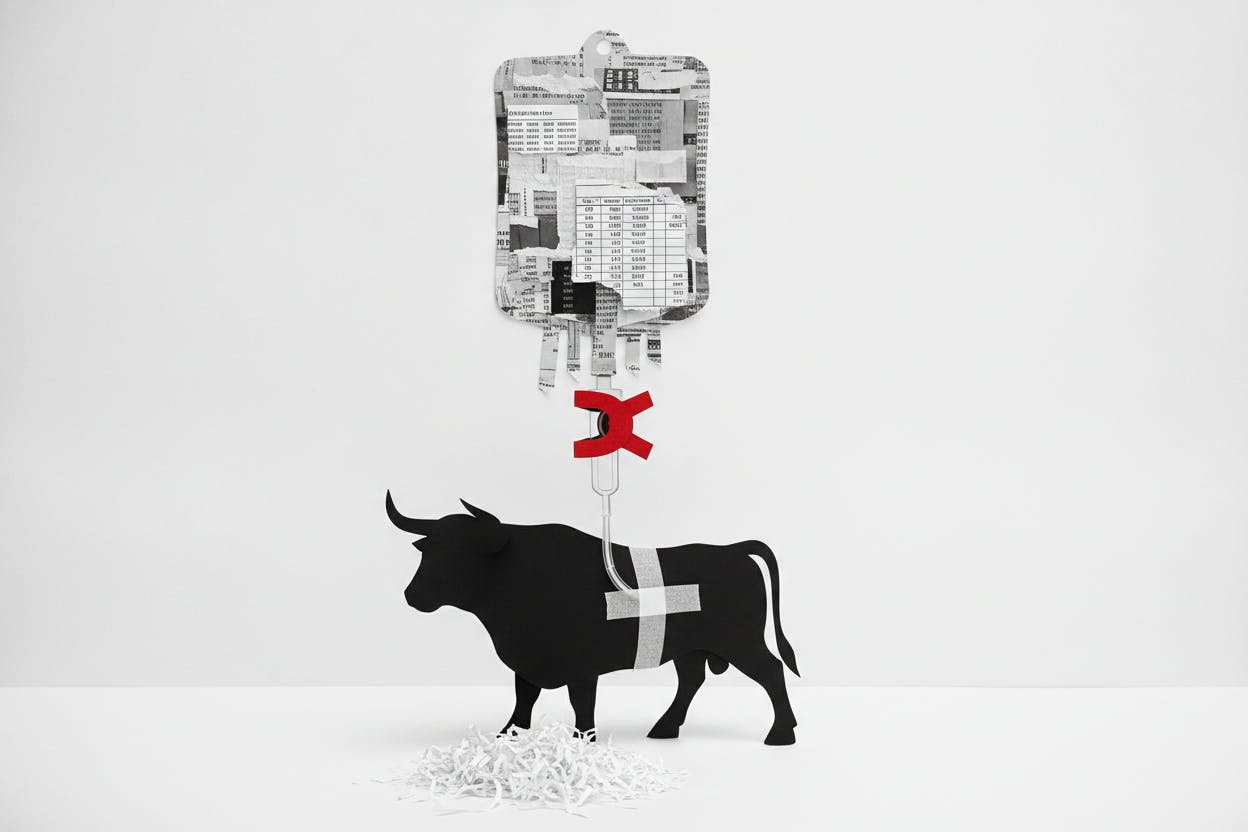
Wall Street's recent stock rally has been fueled by a surge in borrowed money, but the cost of that funding is now climbing. According to a Reuters report, the financing behind stock loans and derivatives is getting more expensive as big banks tighten their balance sheets. This shift could spell trouble for the most leveraged trades if the market's upward momentum falters.
What's Driving the Cost Increase?
The equity repo market—a short-term lending market where banks and primary dealers lend cash against stocks—is at the center of this trend. Reuters notes that dealers' equity repo exposure has hit a record above $220 billion, a sign that demand for this type of financing is soaring. In an equity repo, a trader borrows cash by posting stocks as collateral, with the loan typically rolling over daily. As more money flows into leveraged strategies, the cost of these loans is rising.
Derivatives-driven financing, such as options and swaps, is also becoming pricier. Banks that provide these instruments must set aside capital to cover potential losses, and tighter balance sheets mean they are charging more for that service. This is a classic case of supply and demand: as the rally attracts more leveraged bets, the infrastructure supporting them—bank balance sheets—is reaching its limits.
How Leverage Fuels the Rally
Leverage amplifies both gains and losses. In the current rally, investors have been using borrowed money to boost returns, often through leveraged exchange-traded products, heavy options activity, and hedge funds carrying large gross positions. Barclays has cited roughly $10 trillion in gross positions across the market, a staggering figure that underscores how much of the rally is built on credit.
When markets are rising, leverage works beautifully: a small price increase can generate outsized profits. But if the rally stalls or reverses, those same leveraged positions can unwind quickly, forcing investors to sell assets to meet margin calls. That selling pressure can accelerate a downturn, creating a feedback loop that hurts everyone.
For context, similar dynamics played out in 2020 during the COVID-19 crash, when leveraged hedge funds were forced to liquidate positions, and again in 2021 with the collapse of Archegos Capital Management. While the current situation is not as extreme, the rising cost of financing is a warning signal that the easy money phase of this rally may be ending.
What It Means for Everyday Investors
For the average investor, this news is a reminder that market rallies are not free. The rising cost of financing could dampen the enthusiasm that has driven stocks higher, especially if it leads to a pullback in leveraged trading. If you own stocks or funds, you might see increased volatility as leveraged players adjust their positions.
It's also worth noting that this is not a reason to panic. The rally is still intact, and the economy remains resilient, as seen in recent jobs data and corporate earnings. However, investors should be aware that the market's foundation is shifting. The tech selloff earlier this week showed how quickly sentiment can change, and rising financing costs could add to that pressure.
Diversification remains key. If leveraged trades unwind, sectors that have been heavily borrowed—like tech and growth stocks—could be hit hardest. Meanwhile, value stocks and defensive sectors might hold up better. The Singapore market and other Asian bourses have shown some resilience amid geopolitical tensions, but global markets are interconnected.
What to Watch Next
Investors should keep an eye on bank earnings calls and Federal Reserve commentary for clues about balance sheet capacity. If banks signal they are pulling back on lending, financing costs could rise further. The ECB's Sintra meeting and upcoming payrolls data will also provide context on the broader economic backdrop.
In the meantime, the rally continues—but it's running on borrowed time, and the tab is coming due.