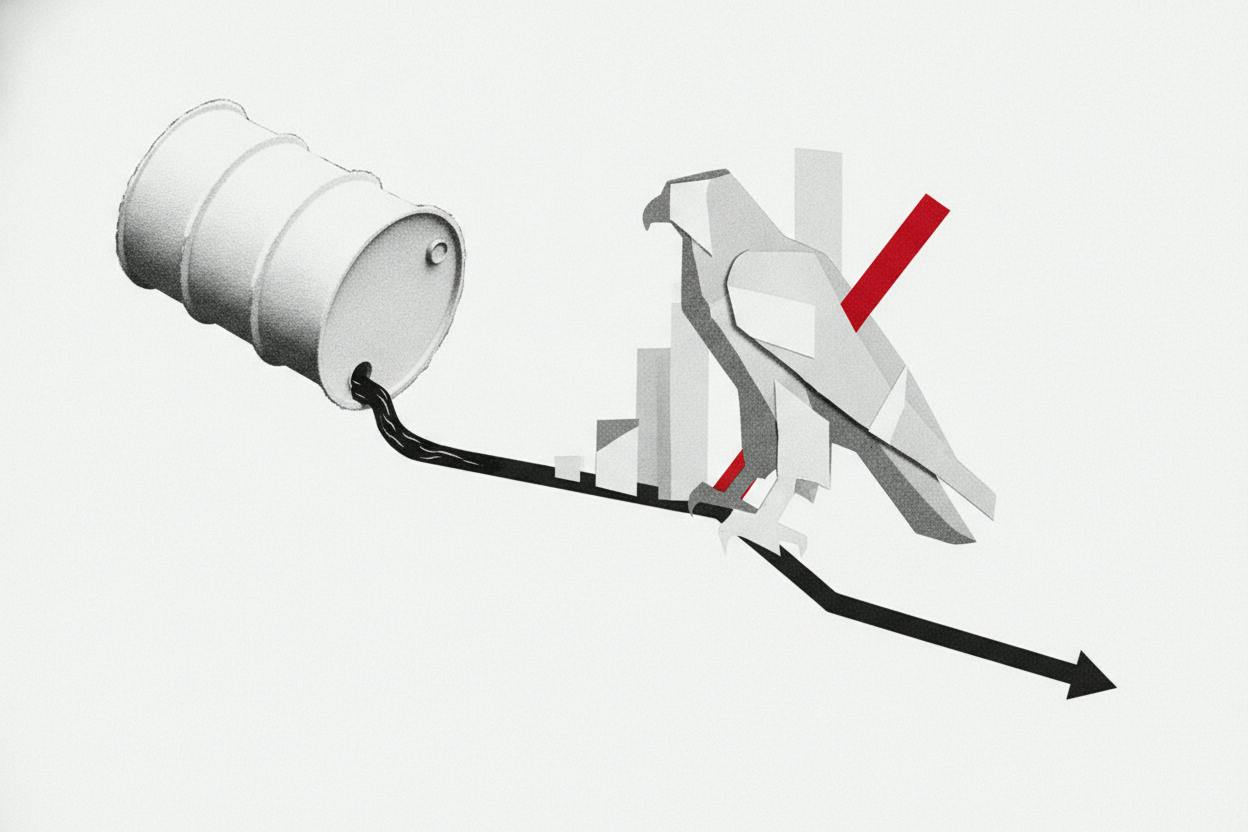
US Treasury yields eased on Tuesday as oil prices slid, but a hawkish television appearance from Federal Reserve Governor Christopher Waller kept the bond market from staging a bigger rally. The 10-year yield fell to 5.074% and the 30-year to 5.426%, while the two-year yield, which tracks where traders think the Fed will steer short-term rates, was basically flat at 4.787%.
Cheaper oil can cool inflation pressure, so investors had reason to accept a bit less interest for holding longer-term government debt. But Waller's comments reminded markets that the Fed is still focused on fighting inflation, and may need to be more aggressive than previously expected.
Waller's hawkish tone
Waller said the Fed may need to keep the door open to a larger rate increase, suggesting that policymakers are not yet convinced that inflation is under control. Investment bank Jefferies described his remarks as among the most hawkish lately, underscoring the divide within the Fed over how much more tightening is needed.
Despite the hawkish talk, fed funds futures implied about a 95% chance of a quarter-point hike at the Fed's December 8-9 meeting. That means the next step is largely priced in, and the bigger question is what happens after that: how long rates stay high.
Traders are also watching inflation expectations baked into inflation-protected Treasuries, which were sitting a little above 2% over the five- and 10-year horizons. Investors were also waiting for minutes from the Fed's October meeting for clues on how unified policymakers are.
What it means for investors
For everyday investors, the 95% hike odds matter more for credit cards than the 10-year at 5.074%. When traders assign a roughly 95% chance to a quarter-point Fed hike, many short-term rates behave as if it's already happened. That's why the two-year yield barely moved even as oil pulled longer-term yields down.
A lot of household borrowing costs take their cue from short rates, not from the 10-year: think prime-rate credit cards, home-equity lines of credit, and many floating-rate small-business loans. So a one-day drop in oil or the 10-year doesn't automatically translate into cheaper monthly interest bills.
Relief typically comes only when markets start pricing lower policy rates over the next couple of years – not just a softer energy backdrop. As gold hovers near a 13-month low due to strong yields and a firm dollar, the broader picture remains one of higher-for-longer rates.
Investors should also keep an eye on how other markets react to the same forces. For instance, European ADRs slid for a third day as tech and mining shares weighed, while Singapore stocks fell again on AI policy worries. These moves show that rate expectations ripple across global markets.
In the near term, the Fed's next move is widely expected, but the path beyond December remains uncertain. The minutes from the October meeting could offer more clarity on how many policymakers share Waller's hawkish view, and whether a pause is on the table for early next year.
For now, the bond market is telling investors that the era of ultra-low rates is over, and that borrowing costs are likely to stay elevated until inflation is convincingly beaten. That means savers may continue to enjoy higher yields on cash, but borrowers should brace for continued pressure on their monthly payments.



