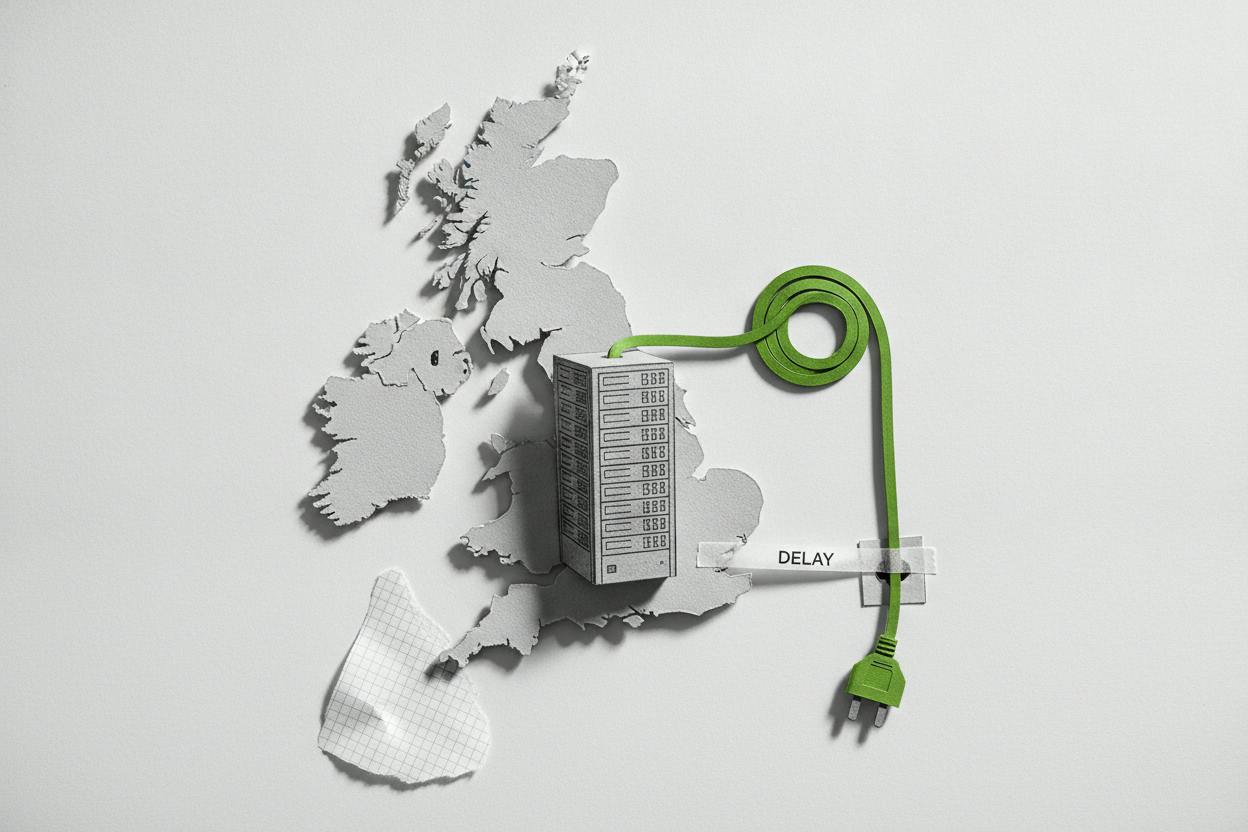
Wedbush, a well-known analyst firm, says Nvidia can keep growing even as the supply of AI chips stays tight. The key insight: the biggest bottleneck is lining up parts, not finding buyers.
In a Thursday note, Wedbush pointed to memory deals jumping to $279 billion, a sign that Nvidia is aggressively securing the components it needs. The firm expects higher prices to help offset pressure on gross margins, even as the company spends heavily to lock in supply.
Supply vs. demand: the 100% growth gap
Wedbush noted that Nvidia CEO Jensen Huang has implied that if the company could ship everything customers want, demand could support roughly 100% growth. But the bank estimates Nvidia can supply closer to 70%, because delivering full AI servers depends on constrained inputs like high-bandwidth memory and other components.
High-bandwidth memory (HBM) is a specialized type of memory that sits close to the processor, allowing faster data transfer. It's crucial for AI workloads, and supply has been tight as demand for AI infrastructure explodes. Nvidia has been working to secure HBM and other parts, but the industry is still catching up.
The gap between what customers want and what Nvidia can ship is a central theme for investors. It means Nvidia's growth is currently limited by supply, not demand. But Wedbush's view is that Nvidia can "outrun" these constraints by locking in deals and raising prices.
What the $279 billion memory deals mean
The $279 billion figure refers to the total value of memory deals that Wedbush says have been announced or are in the works. This includes agreements with memory makers like SK Hynix, Samsung, and Micron, who are ramping up production of HBM and other memory chips.
These deals are a double-edged sword. On one hand, they secure the supply Nvidia needs to grow. On the other, they cost money, which can squeeze gross margins. Gross margin is the percentage of revenue left after the direct cost of goods sold, and it's a key metric for investors. Nvidia's gross margins have been exceptionally high, but paying more for memory could reduce them.
Wedbush expects that higher prices for Nvidia's own products will help offset that pressure. In other words, Nvidia can pass on some of its higher costs to customers, who are desperate for AI chips and willing to pay a premium.
Why this matters for investors
For everyday investors, this news is a reminder that Nvidia's growth story is still intact, but it's not without challenges. The AI boom has driven Nvidia's stock to record highs, and any sign of slowing growth can cause big swings. The fact that demand could support 100% growth is bullish, but the supply constraint means actual growth will be lower.
Investors should also watch how Nvidia manages its margins. If higher memory costs eat into profitability, that could weigh on the stock. But if Nvidia can raise prices enough to maintain its margins, it could continue to deliver strong earnings.
Wedbush's note comes amid a broader rally in AI-related stocks. Nvidia's upbeat forecast recently revived the AI rally, though concerns about interest rates and trade policy remain. The company's results have also lifted chip stocks, but tariff talk clouds the outlook.
The bigger picture
Nvidia is not just a chipmaker; it's the backbone of the AI revolution. Its GPUs are used to train and run large language models, and demand from cloud providers, startups, and governments shows no sign of slowing. The company's ability to secure supply is critical to maintaining its dominance.
Wedbush's analysis suggests that Nvidia is doing what it takes to stay ahead, even if it means paying up for memory. The firm's confidence is a positive signal, but investors should keep an eye on the numbers. The next earnings report will show whether Nvidia can indeed outrun the supply constraints.
For now, the takeaway is that Nvidia's growth is supply-limited, not demand-limited. That's a good problem to have, but it also means the company's future depends on its ability to manage a complex supply chain. As Nvidia's 70% revenue forecast signals strong AI demand through 2028, the focus will remain on execution.
Investors should also consider the broader market context. SoftBank and Nvidia are in deal talks as an M&A wave hits banks and asset managers, which could further shape the AI landscape. And with Nvidia and OpenAI CEOs set to attend a G20 tech meeting, the political and regulatory environment is also evolving.
In short, Wedbush's note is a vote of confidence in Nvidia's ability to navigate its biggest challenge: keeping up with demand. For investors, it's a reason to stay optimistic, but also a reminder to watch the details.