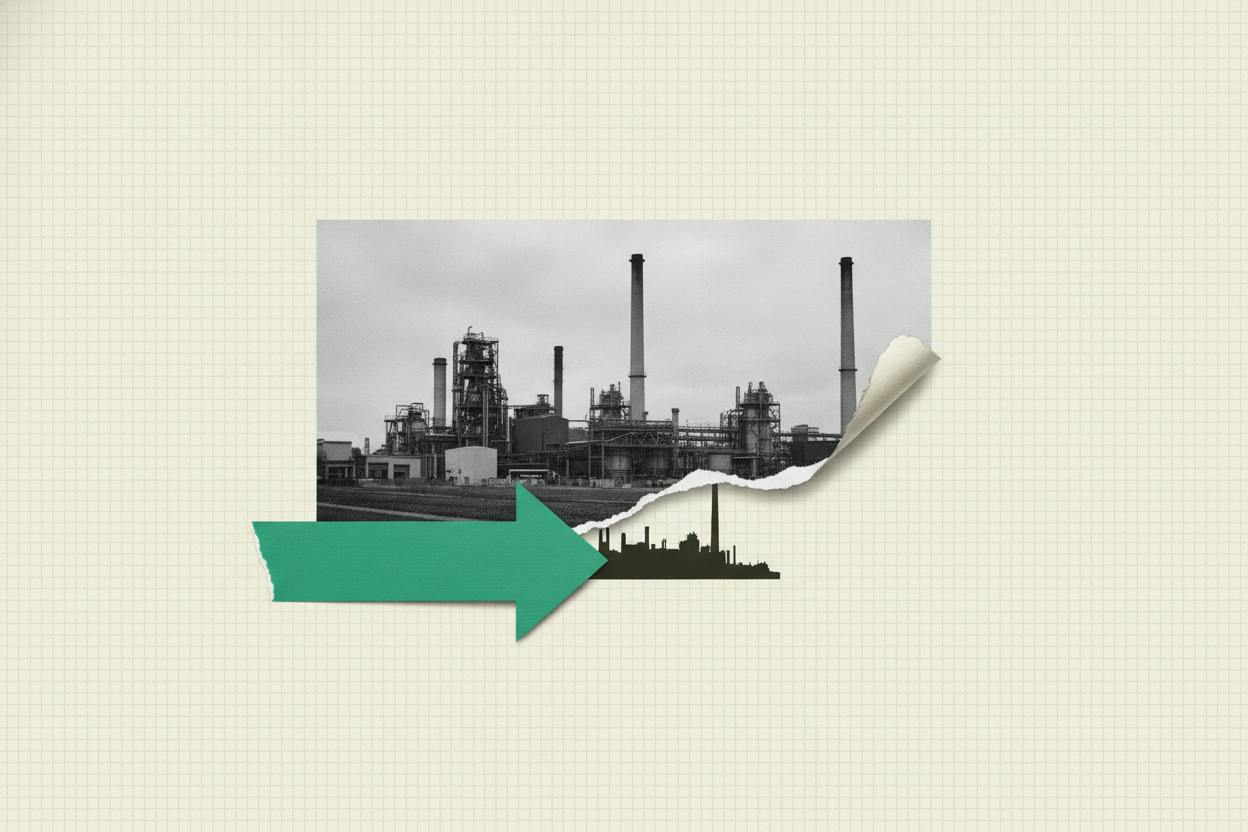
Westlake, a major U.S. chemicals producer, announced it will permanently shut down its polyvinyl chloride (PVC) plant in Cologne, Germany, during the first quarter of 2027. The closure will eliminate 120 jobs and is part of a broader effort to move production to lower-cost facilities. The company expects to record $205 million in pre-tax charges related to the shutdown.
Why is Westlake closing the plant?
PVC is a widely used plastic found in pipes, window frames, flooring, and packaging. Producing it requires significant energy and raw materials, and European plants have faced high energy costs and stiff competition from cheaper imports. Westlake's decision reflects a common trend among chemical makers: consolidating operations in regions where costs are lower, such as the U.S. Gulf Coast, where natural gas—a key feedstock—is abundant and inexpensive.
The company also signaled that its third-quarter results will be softer than previously expected, partly due to the costs and disruptions associated with the transition. While the exact financial impact on quarterly earnings wasn't detailed, the $205 million charge will weigh on near-term profitability.
What does this mean for investors?
For shareholders, plant closures are a double-edged sword. On one hand, they often lead to one-time charges that reduce reported earnings. On the other, they can improve long-term margins by eliminating high-cost operations and reallocating resources to more efficient sites. Westlake's move is a classic example of a company streamlining its footprint to stay competitive in a global market.
Investors should watch how the company executes the transition and whether the expected cost savings materialize. The softer third-quarter outlook suggests near-term headwinds, but the strategic shift could position Westlake better for the future. As with any restructuring, there are risks: execution missteps, further demand weakness, or unexpected costs could offset the benefits.
This announcement comes amid a wave of corporate restructuring across industries. For instance, Shell recently sold a stake in one of its plants, and Schneider Electric is acquiring a smart-home company—all signs that companies are actively reshaping their portfolios to adapt to changing market conditions.
Broader context: European chemical industry under pressure
The closure in Germany is not an isolated event. European chemical manufacturers have been grappling with high energy prices, especially after the Russia-Ukraine conflict disrupted natural gas supplies. Many have announced capacity cuts or shifted investments to regions with cheaper energy. Germany, in particular, has seen its industrial competitiveness questioned as energy-intensive industries struggle.
For everyday investors, this story highlights the importance of understanding where a company operates and how its cost structure compares to global peers. A company with high-cost plants in expensive regions may face margin pressure, while those with flexible, low-cost production are often better positioned.
What to watch next
Investors will be looking for more details when Westlake reports its third-quarter earnings. Key questions include: How much of the $205 million charge will hit this year versus next? What are the expected annual savings from the closure? And will the company announce further restructuring moves?
Also worth monitoring is the broader PVC market. If demand remains weak, other producers may follow suit with their own capacity reductions, which could eventually tighten supply and support prices. Conversely, if demand picks up, Westlake's remaining plants could benefit from higher utilization rates.
In the meantime, the company's focus on lower-cost production is a reminder that in cyclical industries like chemicals, cost discipline is crucial. For investors, that's a key factor to weigh when evaluating any manufacturer's long-term prospects.