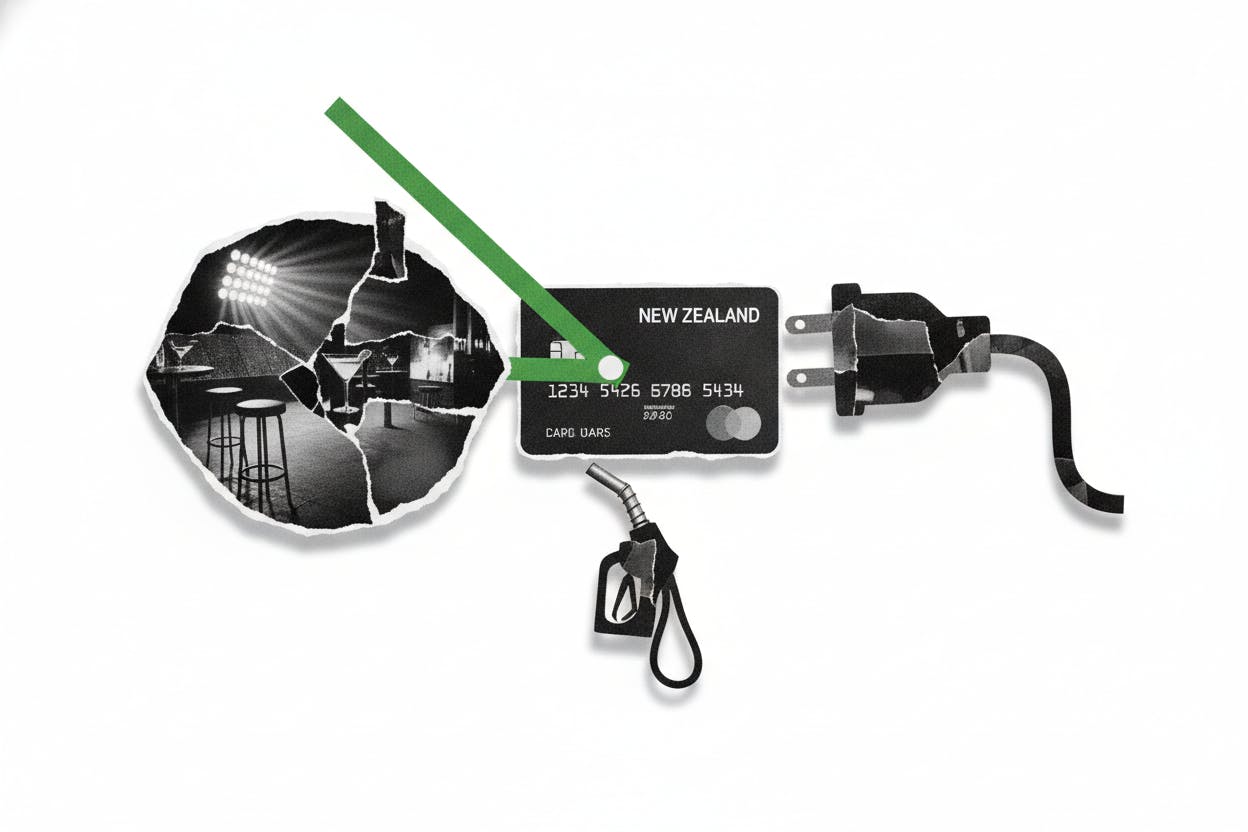
New Zealanders opened their wallets a little wider in July, with card spending rising 2% per person compared with the previous month, according to data from Westpac. The bank attributed the uptick to two main factors: nights out tied to the FIFA World Cup and a noticeable drop in petrol prices.
Westpac, one of New Zealand's largest banks, said the July increase marked a clearer lift after card spending had been mostly flat earlier in the year. The data, which tracks purchases made using Westpac-issued cards, offers a real-time snapshot of consumer behaviour and is closely watched as an indicator of household confidence and economic momentum.
What's behind the spending bump?
The bank pointed to cheaper fuel as a key driver. The average price of 91-unleaded petrol fell to AU$2.96 a litre in July, down from more than AU$3.11 in June. That drop gave households a bit more breathing room at the pump, freeing up cash for other purchases.
At the same time, the FIFA World Cup provided a reason for people to gather, whether at home, at pubs, or at watch parties. Those social occasions tend to lift spending on food, drinks, and entertainment, and Westpac said this effect was visible in the July data.
But the picture is not entirely rosy. The bank noted that household budgets are still being pulled toward essentials. Grocery spending rose nearly 3% in July, while utility bills climbed 2%. Westpac linked the utility increase to sizable electricity price rises over the past year, which continue to weigh on household finances.
What it means for investors
For everyday investors, this data offers a window into the health of the New Zealand consumer. Rising spending, even if partly driven by one-off events like the World Cup, suggests that households are not completely retrenching. That can be a positive sign for retailers, hospitality businesses, and the broader economy.
However, the persistent pressure from energy costs is a reminder that many households are still feeling the pinch. When a large share of income goes to essentials like groceries and utilities, discretionary spending—on things like travel, dining out, and new gadgets—tends to stay muted. Companies that rely on non-essential purchases may continue to face headwinds.
Westpac's own outlook has been cautious. In a recent update, the bank noted that mortgage demand has cooled, even as profits edged up. That suggests that while consumers are spending a bit more, they are also being careful about taking on new debt.
Investors should also keep an eye on how the World Cup effect plays out. The tournament has been a boost for some companies, as seen in Airbnb's strong results and raised outlook, which cited World Cup travel. But such boosts are often temporary, and the underlying trend in consumer spending will matter more over the long term.
For those watching the New Zealand economy, the key question is whether the July pickup marks the start of a sustained recovery or just a temporary blip. With electricity prices still high and global economic uncertainty lingering, many households are likely to remain cautious.
Westpac's data also highlights the uneven nature of the recovery. While some categories, like groceries and utilities, are seeing steady growth, discretionary spending remains patchy. This divergence is something investors should watch, as it can signal which sectors are likely to outperform and which may struggle.
In the meantime, the bank's view on the broader housing market remains one of cautious optimism. Westpac has previously said it sees Australia's housing slump as short-lived, with the central bank likely to hold rates. If that sentiment extends to New Zealand, it could provide some support for consumer confidence.
For now, the July card spending data offers a modestly encouraging sign. But with energy costs still elevated and the World Cup effect set to fade, the sustainability of this pickup remains uncertain. Investors would do well to watch upcoming data on inflation, employment, and retail sales for a clearer picture of where the New Zealand economy is headed.