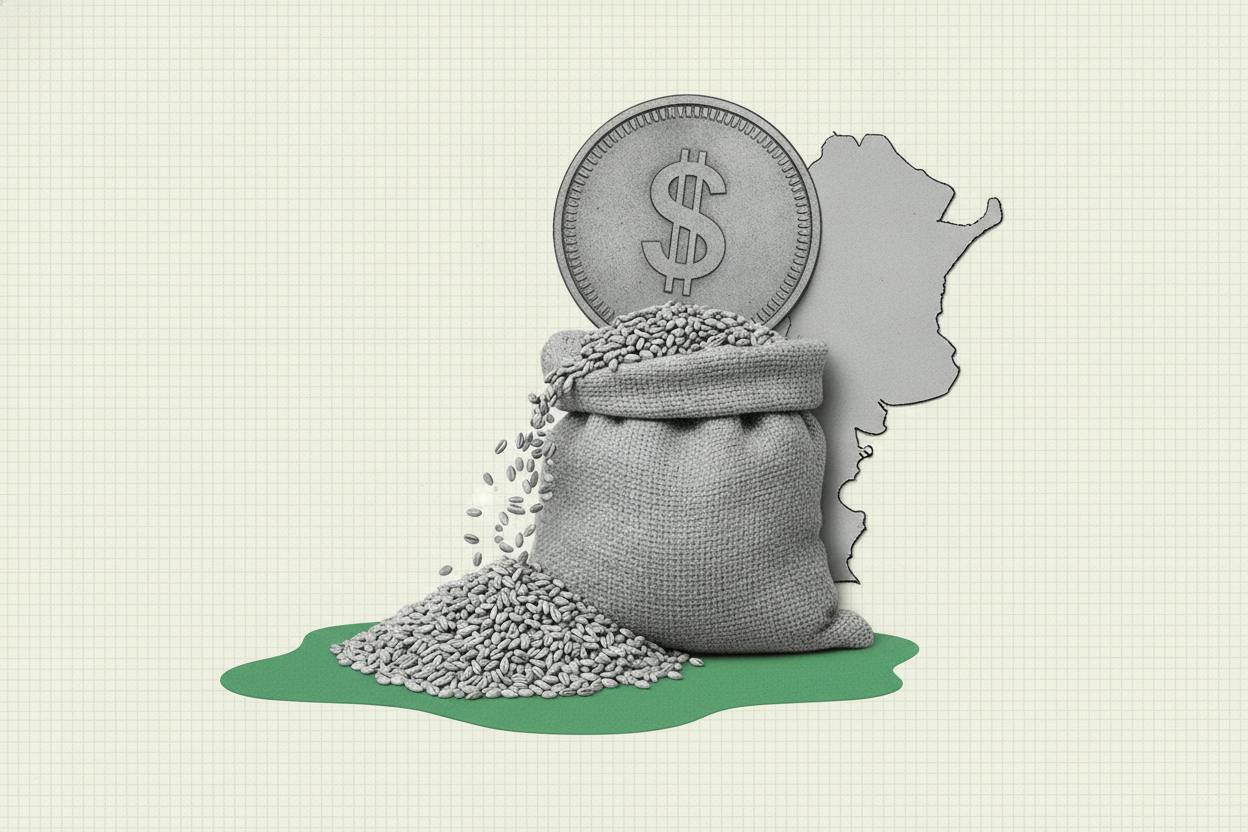
Chicago wheat futures finished lower on Tuesday as the US dollar held near 19-month highs, a move that makes American grain more expensive for foreign buyers. At the same time, Argentina—a major global supplier—raised its wheat production forecast, adding to expectations of ample world supply.
Dollar strength weighs on commodities
Wheat is priced in dollars on global markets, so when the greenback strengthens, importers paying in euros, yen, or other currencies effectively see a higher bill even if the futures price barely changes. That dynamic was front and center this week as the US Dollar Index pushed to levels not seen in 19 months.
The dollar's rally comes as investors increasingly bet that US interest rates will stay higher for longer. That backdrop often pressures dollar-priced commodities, from grains to metals, because it raises the cost for non-US buyers and can dampen demand.
For wheat specifically, a firmer dollar tends to cool enthusiasm for US cargoes. Even a modest move in the exchange rate can tip the scales for importers deciding between American wheat and supplies from other origins.
Argentina's bigger crop adds to supply picture
Adding to the bearish tone, the Buenos Aires Grain Exchange lifted its estimate for Argentina's 2026/27 wheat production to 23.4 million tons, citing better yields. Argentina is one of the world's top wheat exporters, and a larger crop means more grain available for global buyers.
When another origin can offer ample supply, importers have more room to shop around. In international tenders, buyers can switch suppliers based on price and availability. That "origin switching" reduces the urgency to purchase US wheat and can keep Chicago futures from breaking higher.
The bigger Argentine crop is a reminder that global supply is not as tight as it might seem, even as other regions face weather or logistical challenges.
Black Sea remains a wild card
One factor that could still move wheat prices is the Black Sea region, where conflict has periodically disrupted shipping and raised insurance costs. Any escalation there could quickly tighten supply and push prices up, regardless of the dollar or Argentine harvest numbers.
But on calmer trading days, currency moves and alternative supply often do most of the work. Traders are keeping one eye on the dollar and another on export competition, while monitoring headlines from the Black Sea for any sudden shift.
What it means for investors
For everyday investors, the takeaway is that wheat trades with two price tags: the futures quote and the exchange rate. With the dollar near 19-month highs, a Chicago price of around $5.92 a bushel can still translate into a meaningfully higher cost for buyers using euros, yen, or pesos. That cools demand for US exports and can cap price gains.
Add Argentina's larger 23.4-million-ton crop outlook, and importers have more reason to shop around. That "origin switching" can leave US wheat needing to regain competitiveness the hard way: through a softer dollar, lower futures prices, or a cheaper cash-market premium at US export hubs.
For investors holding agricultural commodities or related stocks, the key is to watch the dollar's direction and global supply updates. A sustained strong dollar could keep pressure on wheat and other dollar-priced commodities, while any shift in the dollar or a surprise supply disruption could quickly change the picture.
As always, these moves are part of the broader market backdrop. The dollar's strength has also been a factor in other markets, such as copper sliding to a March low and European ADRs falling this week. Investors should consider how currency trends ripple through different asset classes.