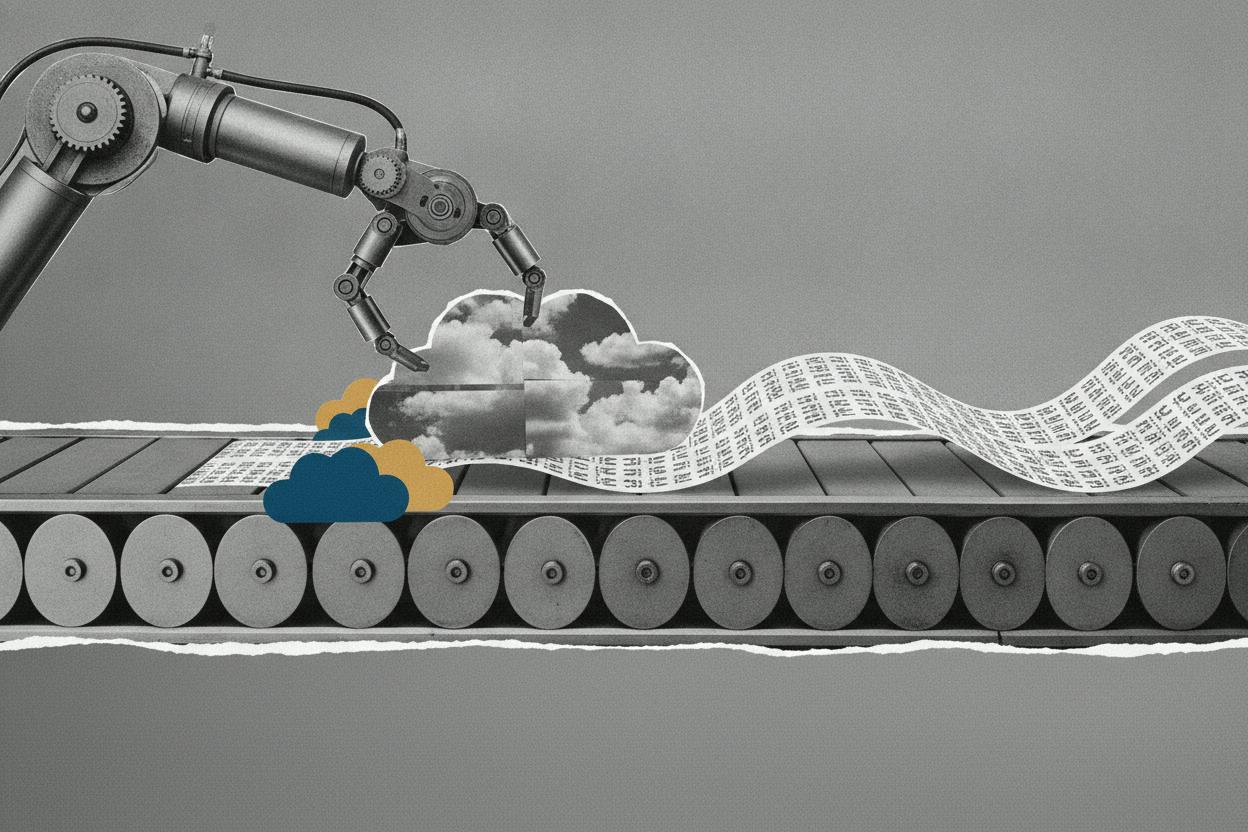
The AI-fueled rally in US stocks has hit a wall. The S&P 500 has now fallen more than 10% from its October 6 closing high, a drop that Wall Street officially calls a “correction.” The slide has been led by the very names that powered the market higher over the past year: chipmakers and mega-cap technology companies, where investors had been paying premium prices for the promise of future AI-driven profits.
The correction comes as the much-watched initial public offering of Anthropic, the AI startup behind the Claude chatbot, has lost momentum. The stock opened strong but faded quickly, adding to the sense that the market is no longer willing to reward big AI narratives at any price. This is a notable shift from earlier in the year, when any company with an AI angle seemed to get a boost.
What is a correction and why does it matter?
A correction is a decline of 10% or more from a recent peak. It’s a common part of market cycles, but hitting that threshold can change investor behavior even if the underlying economic picture hasn’t suddenly worsened. For many investors, a correction is a psychological trigger—it can prompt selling as people try to protect gains or cut losses.
In this case, the pressure started in the high-growth corner of the market. AI-related stocks, which had been the darlings of the rally, are now under scrutiny. Investors are asking tougher questions about valuations: Are these companies really going to deliver the profits that justify their share prices? The recent 10.6% drop in Anthropic's stock is a sign that even the most hyped names are not immune to the selloff.
The correction also comes amid broader jitters. News about Anthropic's founder planning a donation to Donald Trump has added to the unease, as political uncertainty can weigh on investor sentiment. And the IPO's loss of key support as Morgan Stanley exercised its full greenshoe—a mechanism that allows underwriters to sell more shares—has further dampened enthusiasm.
Why the selling could feed on itself
When the market falls for several days in a row and volatility picks up, a different kind of selling can kick in. Many large, rules-based funds—such as volatility-control funds, risk-parity portfolios, and trend-following strategies—automatically reduce their stock exposure when certain thresholds are hit. These systems don't make judgments about whether stocks are cheap or expensive; they simply follow their algorithms.
This mechanical selling can turn a normal pullback into something broader. The selling spreads from the original weak spot—often tech and semiconductors—into the rest of the index, even if company fundamentals haven't changed much. That's why you might see stocks fall across the board, not just in the AI sector.
At the same time, this dynamic often pushes money toward “defensive” sectors like consumer staples and health care. These are companies that sell everyday products and services, so their earnings tend to be steadier and less sensitive to economic swings. When investors get nervous, they often rotate into these safer havens, which can help those sectors hold up better during a downturn.
What it means for investors
For everyday investors, a correction can be unsettling, but it's important to keep perspective. Corrections are a normal part of market cycles—historically, they occur every couple of years on average. They don't necessarily signal a bear market or a recession, but they do remind us that stock prices can fall as well as rise.
If you're a long-term investor, the key is to avoid making impulsive decisions based on short-term market moves. Trying to time the market—selling now and hoping to buy back lower—is notoriously difficult, even for professionals. Instead, focus on your own financial goals and time horizon.
That said, the current environment does highlight the importance of diversification. If your portfolio is heavily weighted toward tech and AI stocks, you're feeling the brunt of this correction. Having exposure to defensive sectors, bonds, or other assets can help cushion the blow.
The AI trade isn't necessarily over, but it's getting a reality check. Investors are now demanding more evidence that AI companies can turn their technology into sustainable profits. As the market recalibrates, expect more volatility in the near term. The selloff has also spread to European markets, with the DAX dropping 2.45% as AI stocks slid and German producer prices jumped. And Latin American stocks have also been hit by AI jitters and US rate bets.
For now, the message is clear: the market is no longer paying any price for AI dreams. It wants to see results.