Google is reportedly in late-stage talks to work with Nestlé on automating its factory lines, according to The Wall Street Journal. The deal would see Alphabet's Google unit help the Swiss food giant bring “smart factory” technology into everyday operations, moving beyond small-scale trials.
Nestlé, the world's largest food and beverage company, has been stepping up its use of artificial intelligence to modernize manufacturing. The reported agreement with Google is just one piece of a broader strategy: the Journal also noted that Nestlé is already working with Microsoft, Boston Dynamics, and Apple on various AI and spatial computing projects.
What's behind the deal
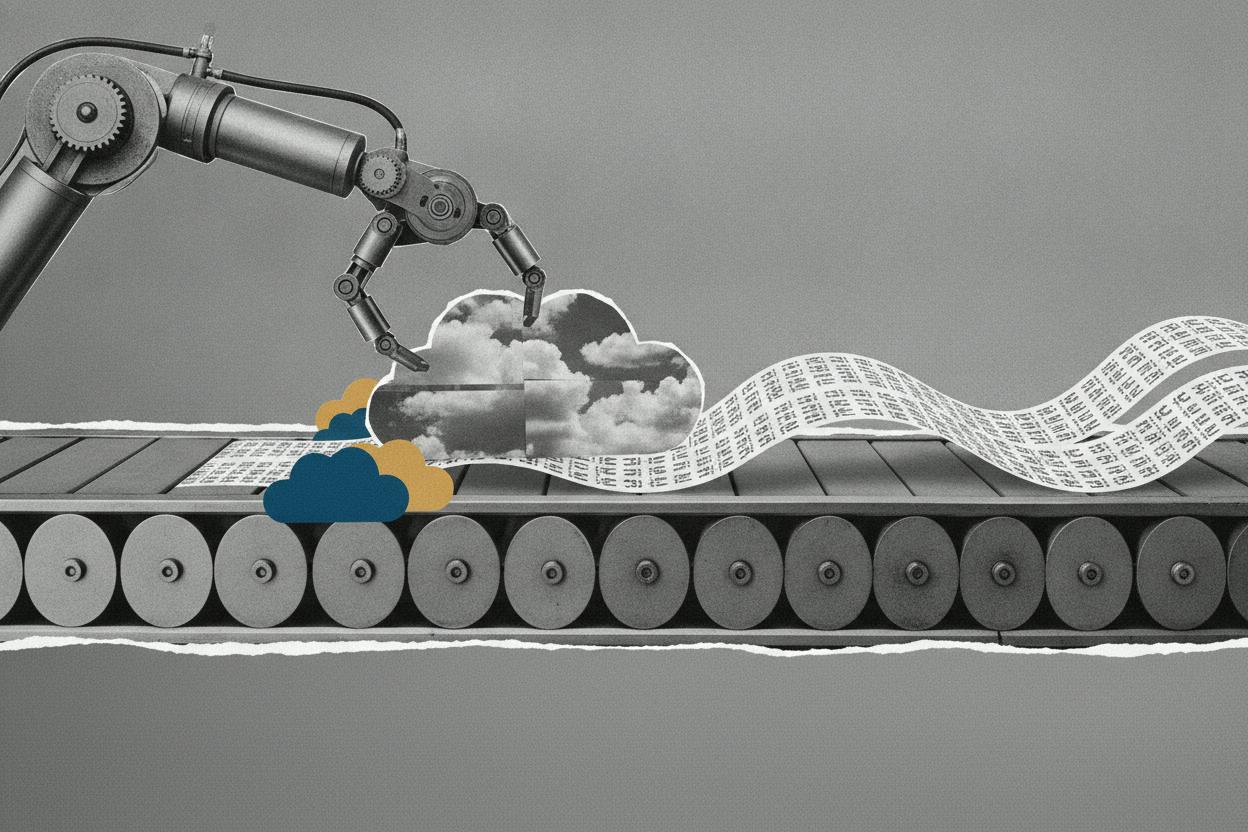
Autonomous factory lines use a combination of sensors, cameras, and AI software to monitor and control production with minimal human intervention. These systems can spot defects, adjust machine settings in real time, and predict maintenance needs before equipment breaks down. For a company like Nestlé, which operates hundreds of factories worldwide, the potential savings in efficiency and quality control are significant.
The Journal reported that Nestlé has an agreement with Microsoft, which Microsoft confirmed. It also said Nestlé is working with Boston Dynamics, the robotics company known for its agile robots, at Nestlé's Deep Tech facility in Orbe, Switzerland. Additionally, Nestlé is using some of Apple's spatial computing tools, which can help workers visualize equipment and processes in real time.
This multi-vendor approach is a clear signal that big manufacturers are mixing cloud software, robotics, and new interfaces rather than betting on one provider. For Google, a deal with Nestlé would mark a notable win in the industrial AI space, where it competes with Microsoft and Amazon Web Services.
What it means for investors
For investors, the key takeaway is the potential for recurring revenue. An “autonomous” line isn't a one-and-done installation. It produces nonstop streams of video and sensor data that have to be processed, stored, and fed back into AI systems so models can be updated as conditions change. That tends to turn a flashy pilot into steady, usage-based spending on computing power and data services.
Once a plant's data pipelines and robot integrations are wired into daily production, switching providers gets expensive and disruptive. That makes these workloads unusually sticky. For the platforms inside Nestlé's stack, that means factory-floor projects can translate into multi-year demand built on ongoing usage rather than a single contract, especially for Google and Microsoft.
This is part of a broader trend in manufacturing automation. STMicroelectronics recently invested €100 million to expand and automate its French chip plant, highlighting how companies across industries are using automation to boost efficiency. Meanwhile, mixed factory data and softer leading indicators have muddied the US economic outlook, underscoring the importance of productivity gains.
Broader context
Google's push into industrial AI comes as it also explores more ambitious projects. Google's Project Suncatcher aims to put AI data centers in orbit by 2029, a sign of the company's aggressive bet on AI infrastructure. For Nestlé, the move is part of a wider effort to modernize its operations and cut costs, a priority for CEO Mark Schneider as the company faces pressure from activist investors.
The deal is not yet finalized, and terms were not disclosed. But if it goes through, it would be one of the largest examples of a consumer goods giant embedding AI into its core manufacturing processes. It also shows how tech companies are increasingly looking beyond their traditional markets to find growth in industrial applications.
For everyday investors, the story is less about Nestlé specifically and more about the growing importance of AI in the real economy. Companies that provide the underlying cloud infrastructure and AI tools stand to benefit as manufacturers adopt these technologies. But it's also a reminder that these deals take time to develop and may not always translate into immediate revenue.
As always, investors should watch for official announcements and consider how such partnerships fit into the broader financial picture of the companies involved. For now, the news is a positive signal for Google's cloud business and for the wider industrial AI sector.