Mercedes-Benz has taken a significant step toward bringing more advanced driver-assistance technology to everyday roads. The German automaker announced it has received the country's first approval for assisted point-to-point driving on city streets, a move that could reshape how drivers interact with their vehicles in urban environments.
The approval covers the company's MB.DRIVE ASSIST PRO system, which will operate under new United Nations regulations that govern such technology. Mercedes plans to launch the feature in an early-access program in Stuttgart and Munich in late 2026, giving select customers the chance to use the system before a wider rollout.
What is MB.DRIVE ASSIST PRO?
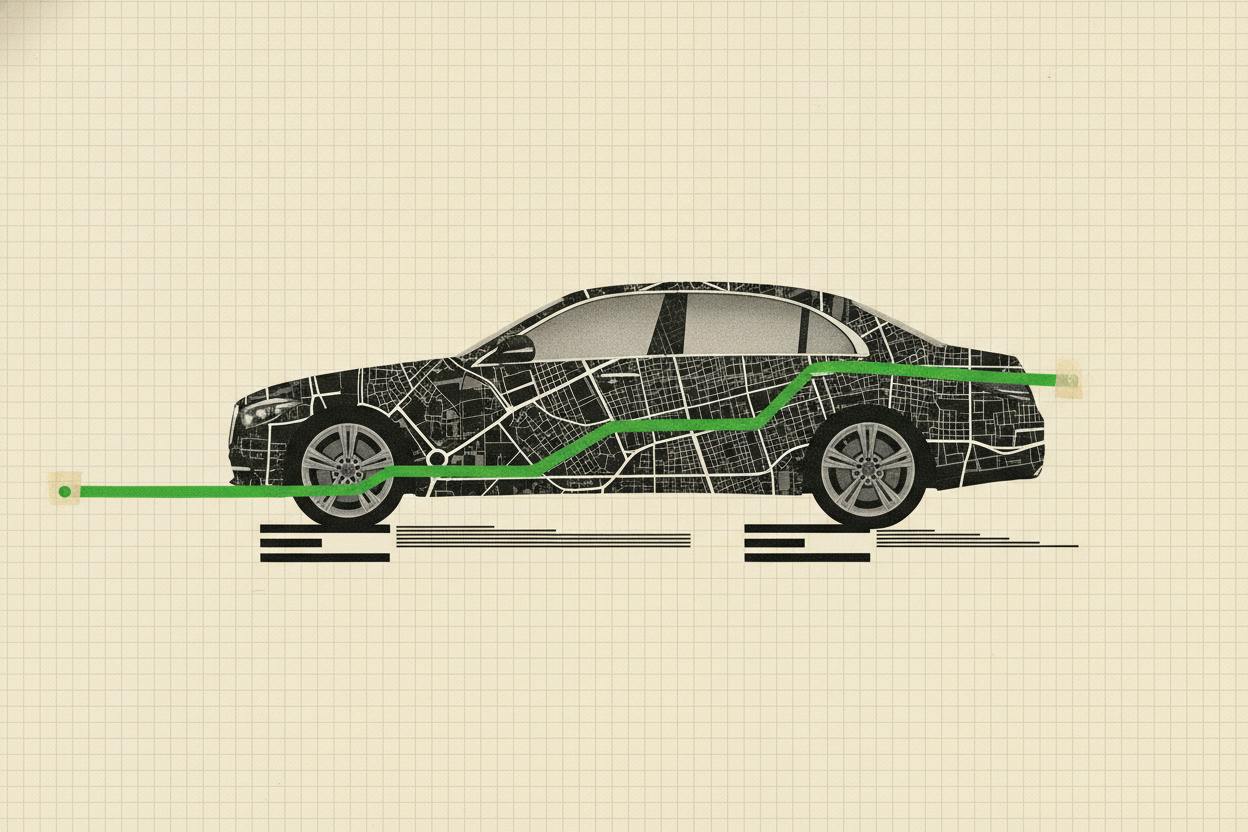
MB.DRIVE ASSIST PRO is Mercedes' latest driver-assistance package, designed to handle more complex driving scenarios than current systems. While many cars today offer adaptive cruise control and lane-keeping assistance, this new system is aimed at point-to-point driving—meaning it can guide the vehicle from one destination to another with less hands-on input from the driver, even in city traffic.
The key difference is that it operates on city streets, not just highways. Urban driving involves unpredictable elements like pedestrians, cyclists, intersections, and traffic lights, which makes it far more challenging for software to manage safely. The approval under new UN rules signals that regulators are beginning to accept these systems as viable for public roads.
It's important to note that this is not full self-driving. The driver remains responsible for the vehicle and must be ready to take over at any moment. The system is designed to assist, not replace, the person behind the wheel.
Why this approval matters
Germany is a major automotive market and home to many of the world's largest carmakers, so regulatory approval there often sets a precedent for other countries. By being first, Mercedes gains a competitive edge in the race to commercialize advanced driver-assistance systems (ADAS).
The approval also comes at a time when the broader tech and auto industries are pouring billions into autonomous driving. While fully self-driving cars remain years away, incremental steps like this help build consumer trust and generate real-world data that can improve the technology.
For investors, this development is a reminder that the auto industry is increasingly becoming a software business. Companies that can successfully integrate advanced software into their vehicles—and get regulators on board—may be better positioned to capture value in the coming years. This trend is part of a larger shift in the sector, as seen in other recent stories like UniCredit's talks with Germany over Commerzbank, which highlight how regulatory and corporate dynamics are evolving across industries.
What it means for investors
For everyday investors, this news is less about a sudden jump in Mercedes' stock and more about the long-term trajectory of the company and the industry. Mercedes-Benz is positioning itself as a leader in premium automotive technology, and this approval could strengthen its brand as a pioneer in safety and innovation.
However, it's worth keeping expectations in check. The early-access launch is limited to two cities, and the system will likely be rolled out gradually. Revenue from such features may take years to materialize meaningfully. Investors should also consider the competitive landscape—other automakers and tech companies are working on similar systems, and regulatory approvals in other markets could follow quickly.
Another angle to watch is the regulatory environment. The new UN rules that enabled this approval are part of a broader framework that could standardize how such systems are evaluated globally. That could lower barriers for other manufacturers, potentially intensifying competition. For context, similar regulatory shifts have affected other sectors, such as the recent German draft rules on takeover bids, which show how policy changes can ripple through markets.
For now, the approval is a positive signal for Mercedes' technology roadmap, but it's not a reason to rush out and buy the stock. As with any emerging technology, there are risks—technical challenges, regulatory hurdles, and consumer acceptance—that could slow adoption. Investors should view this as one piece of a larger puzzle, alongside other factors like earnings, market share, and overall financial health.
Looking ahead
The late-2026 launch in Stuttgart and Munich will be a key test. If the system performs well and gains traction, it could pave the way for broader availability across Germany and other markets. It could also spur competitors to accelerate their own plans, leading to faster innovation across the industry.
For drivers, the promise of assisted city driving could eventually mean less stress in congested urban areas. For investors, it's a reminder that the auto industry is evolving—and that companies that adapt to the software-defined future may be the ones that thrive.
As always, it's wise to keep an eye on how these developments unfold. The road to fully autonomous driving is long, but each approval brings it a step closer.