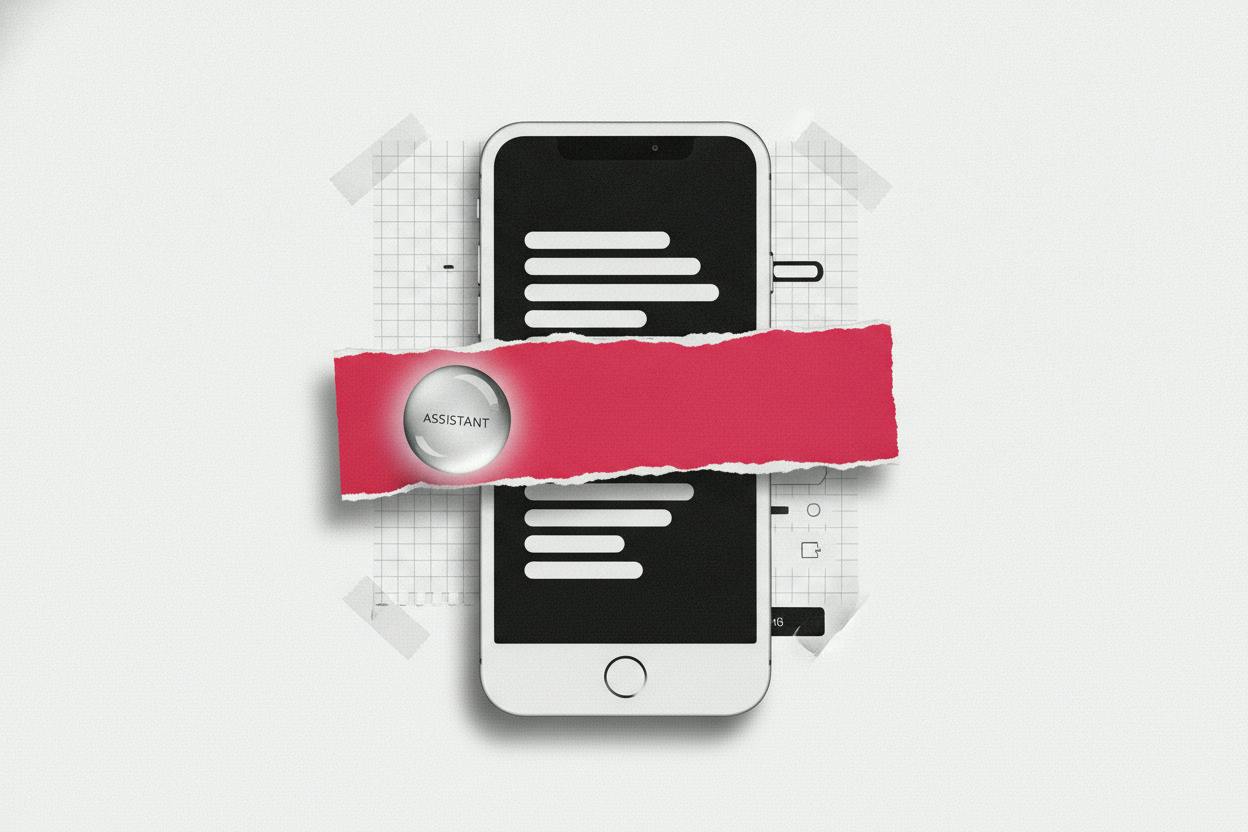
Signal, the privacy-focused messaging app, announced Friday that it will block screenshots by default on Apple's iOS 27 and tighten screen-capture limits on some Android versions where it can detect an AI assistant interacting with Signal screens. The change is designed to prevent built-in AI assistants—like Apple Intelligence or Google's Gemini—from capturing or processing private conversations without user consent.
Why Signal is doing this
Signal's core promise is end-to-end encryption: messages are scrambled so that only the sender and recipient can read them. But AI assistants integrated into operating systems create a new vulnerability. These assistants often have the ability to see what's on your screen to provide contextual help—for example, summarizing a message or suggesting a reply. If an AI can see your screen, it could, in theory, capture sensitive information from a Signal chat and store or transmit it elsewhere, undermining the app's privacy guarantees.
By blocking screenshots, Signal aims to close that loophole. On iOS 27, the app will use the operating system's own controls to prevent screen captures. On Android, where detection of AI assistants is more variable, Signal will tighten screen-capture limits where it can identify an AI assistant interacting with its interface.
This move is part of a broader trend: as AI features become more deeply embedded in phones and computers, privacy-focused apps are having to adapt. Signal is not alone—other secure messaging apps have also explored ways to limit AI access to their content.
What this means for everyday users
For the average Signal user, the change is largely invisible. You'll still be able to use the app as before, but you'll no longer be able to take screenshots of conversations by default. If you need to save a message, you'll have to manually enable screenshot permissions in the app's settings—if the option is available.
The bigger implication is about control. This move gives users more control over their data, ensuring that AI assistants don't inadvertently capture sensitive information. For people who use Signal for confidential business discussions, journalism, or personal matters, this is a meaningful privacy enhancement.
However, it's worth noting that blocking screenshots is not a silver bullet. AI assistants could still potentially access information through other means, such as accessibility features or background processing. Signal's approach is a practical step, but not a complete solution.
Investor perspective
For investors, this news is a reminder of the growing intersection between AI and privacy. As AI assistants become more prevalent, companies that prioritize user privacy—like Signal—may gain a competitive edge. Signal is a nonprofit, so it doesn't have shareholders in the traditional sense, but its decisions often influence the broader messaging and cybersecurity landscape.
This development also highlights the increasing importance of privacy features in tech products. Companies that fail to address AI-related privacy risks could face backlash from users and regulators. On the other hand, those that proactively protect user data may build stronger trust and loyalty.
For those watching the tech sector, this story ties into larger themes around AI regulation and data protection. As AI capabilities expand, expect more companies to implement similar safeguards. This could create opportunities for cybersecurity and privacy-focused firms, as well as challenges for tech giants that rely on data collection.
In the meantime, Signal users can rest assured that their conversations are a bit more protected from prying AI eyes. And for anyone concerned about privacy in the age of AI, this is a positive step forward.