Germany is moving to tighten its takeover rules, aiming to make it harder for investors to quietly build control of a public company and easier for targets to force would-be buyers to show their hand. A draft bill from the finance ministry, reported by Reuters, targets so-called “low-ball” bids — offers that start small and then creep upward without giving other shareholders a clean chance to exit.
What the draft bill proposes
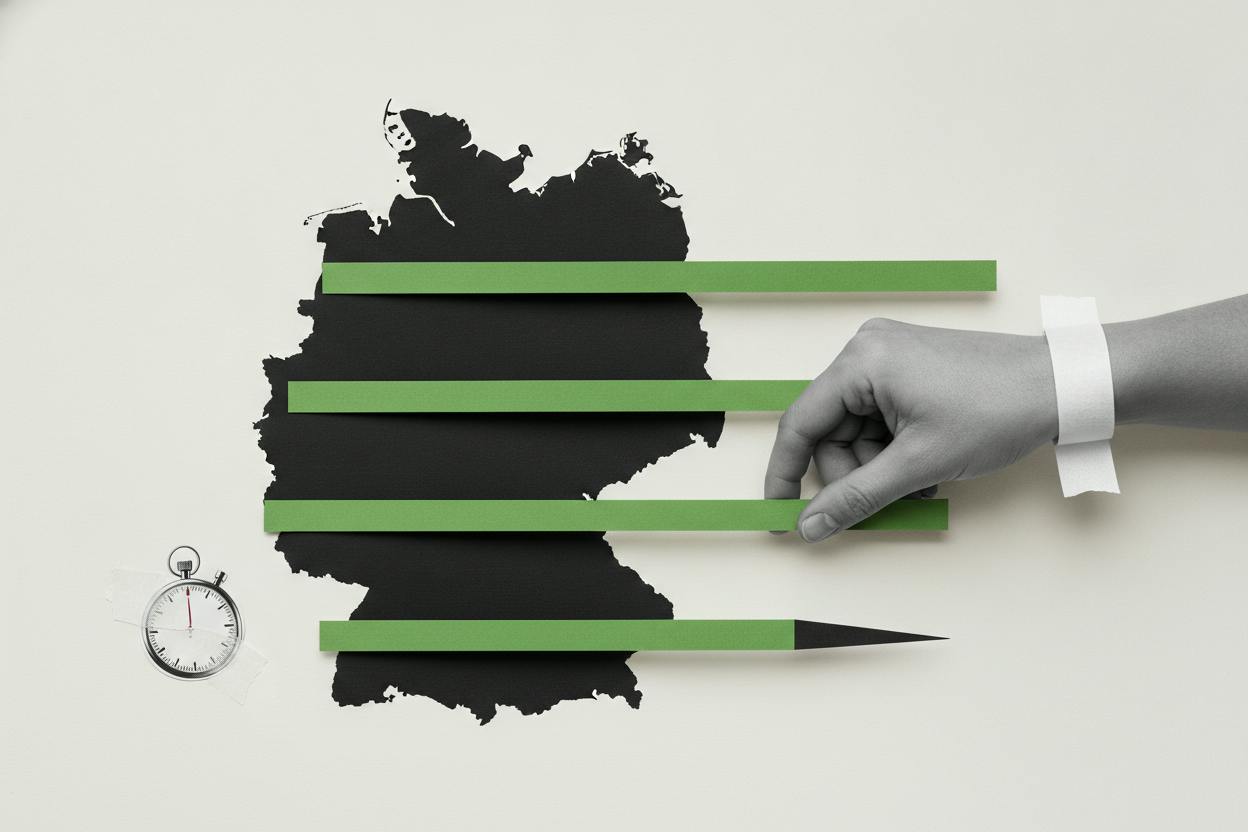
Under current German rules, an investor who crosses 30% of a company's voting rights is generally required to make a mandatory offer to buy out all remaining shareholders. The draft would add new mandatory-bid thresholds at 35%, 40%, 45% and 50%. That means a bidder who crosses any of those levels would have to come back with another compliant offer for the rest of the shares.
The bill also introduces a four-week “put up or shut up” clock. If takeover speculation is swirling, the target company could demand that a potential bidder clarify its intentions. If the bidder refuses to answer, or says it won't bid, it would face a six-month cooling-off period before it could announce an offer. This is designed to stop endless speculation and force bidders to either commit or back off.
In addition, the draft seeks to expand disclosure requirements around derivatives and related holdings. These instruments can give an investor economic exposure to a company without looking like straightforward share ownership, allowing a buyer to edge closer to control before the market — and the target — realizes what's happening.
Why it matters for investors
For everyday investors, the practical effect is that creeping takeovers in German listed companies could become more expensive and less common. The new threshold ladder means every step toward control becomes a new decision point: either cap your stake below the next trigger, or be prepared to make another formal offer at a compliant price.
That blunts the “start cheap, then grind higher” strategy. Bidders will have to weigh the cost of paying repeatedly as they cross 35%, 40%, 45% and 50% against the benefit of making a single, decisive offer with a clear premium up front. As a result, when bids do happen, they're more likely to come with a higher initial price, since bidders will want to justify going all-in rather than paying multiple times.
The “put up or shut up” clock also reduces uncertainty. In the past, companies could be left in limbo for months as potential buyers circled without committing. Now, a target can force clarity within four weeks, and a bidder that walks away faces a six-month ban on announcing a new offer. That should shorten the period of speculation and give shareholders a clearer picture sooner.
The expanded disclosure around derivatives is another layer of protection. By shining light on hidden economic exposure, regulators hope to prevent investors from building effective control without triggering the mandatory-bid rules. This is particularly relevant in an era where complex financial instruments can be used to mask true ownership.
Broader context
Germany has been active in corporate governance reform in recent years, and this draft bill fits that pattern. It also comes at a time when European markets are seeing a mix of deal activity and economic uncertainty. For instance, Germany's recent move to sell a majority stake in shipbuilder Meyer Werft shows the government's willingness to intervene in corporate matters. Meanwhile, Siemens' strong outlook lifted the DAX, but the Bundesbank has warned of risks, and Germany's services growth cooled in October. These mixed signals underscore the importance of clear, predictable takeover rules for investor confidence.
For investors, the key takeaway is that German listed companies may become less vulnerable to drawn-out, low-ball takeover attempts. That could be a positive for shareholders who want to see fair value for their shares, but it also means that if a bid does come, it's likely to be at a higher price — or not at all.
As with any draft legislation, the details could change before it becomes law. But the direction is clear: Germany wants to make creeping takeovers harder and force bidders to be more transparent and decisive. For anyone holding shares in a German company, that's a development worth watching.