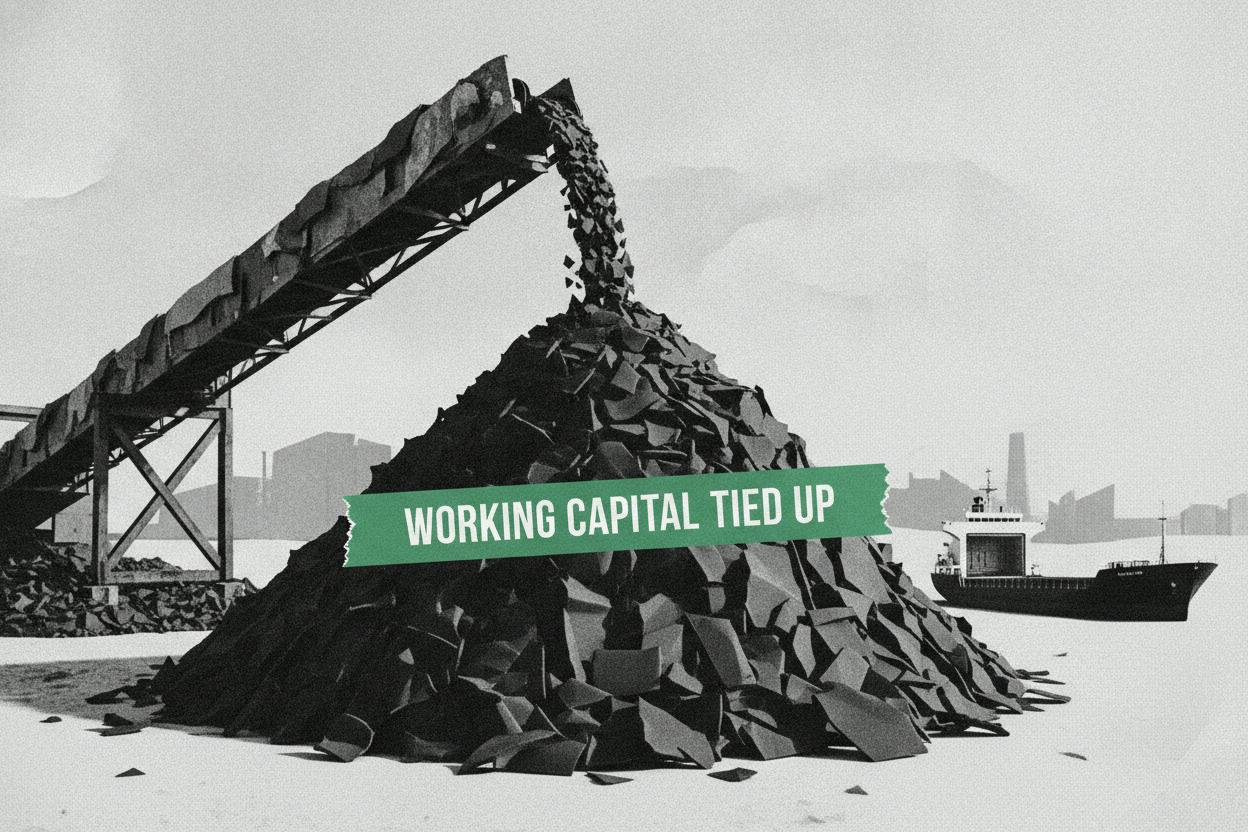
Australian coal miner Whitehaven Coal reported a stronger-than-expected production quarter, but the real story lies in the gap between what it mined and what it sold. The company produced 11 million metric tons of run-of-mine coal in the September quarter, comfortably ahead of the 9.5 million tons analysts had estimated. Yet sales came in at 7.7 million tons, essentially flat compared with the same period last year.
Run-of-mine coal refers to the raw material extracted from the ground before any processing or washing. It's a common measure of mining activity, but it doesn't directly translate into revenue. The difference between production and sales is a key indicator of how quickly a miner can convert its efforts into cash.
What drove the production jump?
Whitehaven attributed the production increase to its Queensland operations, specifically the Blackwater and Daunia mines, which it acquired from BHP Group in a $4.1 billion deal. These mines added significant volume, while its New South Wales operations also ran more steadily than in the prior year. Production rose from 9 million tons in the same quarter last year to 11 million tons this time.
However, the company only sold 7.7 million tons, slightly below last year's 7.8 million. Management pointed to delayed shipments and a buildup of inventory as the reasons. In simple terms, coal that has been mined and paid for is sitting in stockpiles rather than being shipped to customers and converted into cash.
This inventory buildup is a cash-timing issue. When production runs ahead of sales, costs are recognized on the income statement, but the cash from those sales hasn't arrived yet. That can make earnings measures like EBITDA (earnings before interest, taxes, depreciation, and amortization) look healthier than the actual cash flowing into the company.
What does this mean for investors?
For Whitehaven, the key question is whether it can turn those stockpiles into cash in the coming months. Management said it expects the inventory to unwind in the second quarter, which would boost operating cash flow without needing to mine more coal. Essentially, the company would be converting existing assets into receipts.
Additionally, Whitehaven noted that deferred and contingent payments tied to the BHP acquisition are nearing completion. That would reduce future cash outflows, giving the company more financial flexibility. Investors will likely focus on cash conversion and balance-sheet strength rather than just output numbers.
This situation is not unique to Whitehaven. Many miners experience timing mismatches between production and sales, especially after major acquisitions. The market often looks past a single quarter's production beat to see whether the company can translate its operations into sustainable cash flow.
For everyday investors, the takeaway is that production figures alone don't tell the full story. A company can produce more than it sells, but if that coal sits in inventory, the cash hasn't reached the bank yet. Watching how quickly a company can convert its stockpiles into sales is often more important than the raw output number.
Whitehaven's next quarterly report will be closely watched to see if the inventory unwind materializes and whether cash generation improves. If the company can ship those delayed tons, it could see a meaningful boost to its operating cash flow without any additional mining effort.
In the broader context, coal markets remain volatile, with demand and prices influenced by global energy trends and policy shifts. Investors should keep an eye on how Whitehaven manages its working capital and whether it can maintain its production momentum while improving sales.
For now, the September quarter was a mixed bag: a clear production beat, but a sales figure that lagged. The real test will be whether the company can close that gap in the months ahead.



