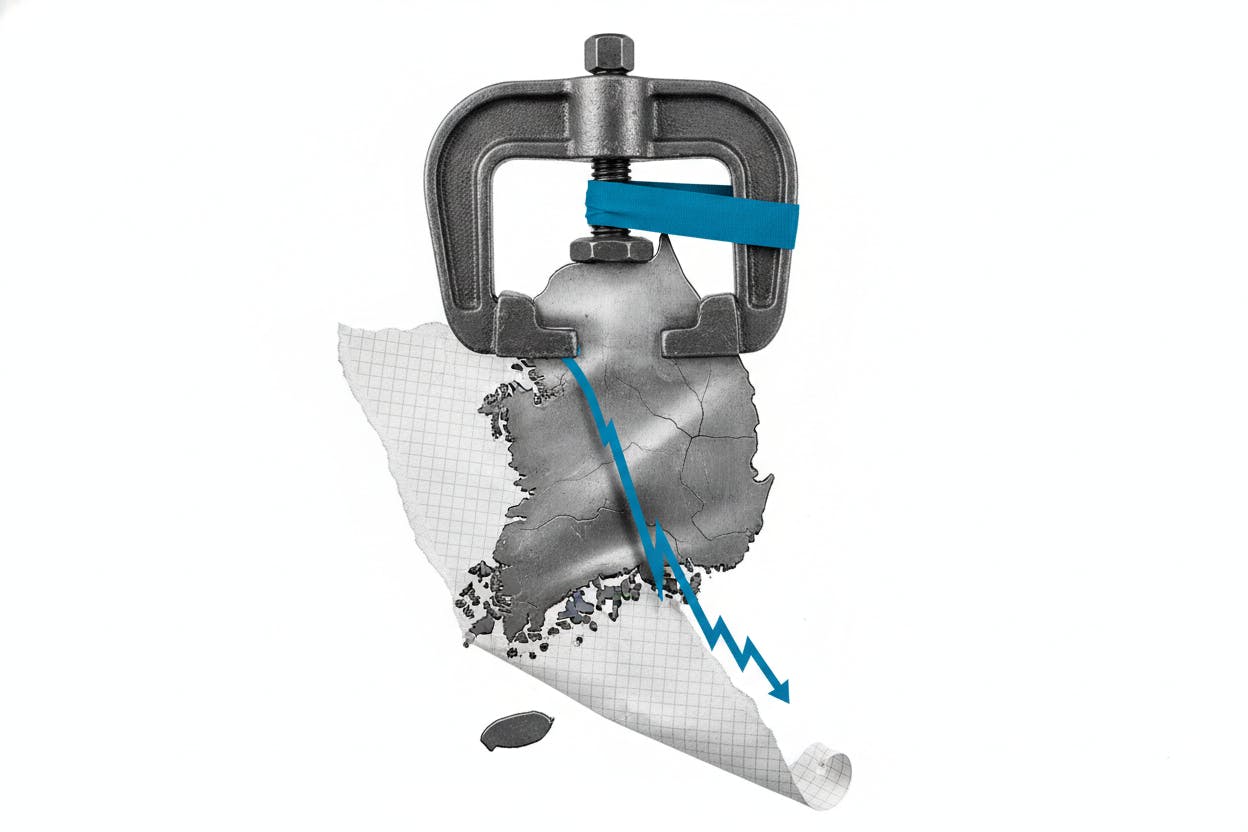
South Korea's stock market has been on a wild ride lately, with chip giants Samsung Electronics and SK Hynix seeing sharp swings in July. But according to a Reuters analysis, the turbulence wasn't driven by disappointing earnings—it was the result of leveraged trades being forced to unwind.
On Friday, foreign investors stepped back in, buying a record 7.2 trillion won (about $5.2 billion) of shares as selling pressure from leveraged ETFs finally began to ease. That's a strong signal that the worst of the forced selling may be over, even as the underlying companies continue to report solid results.
What's behind the swings?
The KOSPI, South Korea's main stock index, is heavily weighted toward technology and semiconductor stocks. Samsung Electronics and SK Hynix are two of the largest components, so their moves have an outsized impact on the index.
In July, both stocks swung wildly—not because their earnings suddenly deteriorated, but because of a buildup in leveraged positions. Leveraged ETFs are investment products that use borrowed money to amplify returns. When the underlying stock falls, these ETFs can trigger margin calls, forcing managers to sell even more shares to cover their debts. That selling can push prices down further, creating a vicious cycle.
J.P. Morgan, the U.S. bank, estimates that assets in single-stock leveraged ETFs tied to Samsung Electronics and SK Hynix fell from about $50 billion in late June to just $17 billion last week. That's a massive deleveraging event—investors were effectively forced to exit positions, regardless of the companies' fundamentals.
Why this matters for investors
For everyday investors, the key takeaway is that short-term price moves aren't always about the health of the underlying business. In this case, the chipmakers' earnings were fine, but the market was reacting to positioning and leverage, not fundamentals.
This kind of volatility can be unsettling, but it also creates opportunities. When forced selling drives prices down, it can push stocks below their intrinsic value. That's why foreign investors saw Friday's dip as a buying opportunity, snapping up shares at a record pace.
However, it's important to remember that leveraged products can amplify losses just as easily as gains. The sharp decline in leveraged ETF assets shows how quickly these trades can unwind, and the ripple effects can hit even the most solid companies.
What to watch next
Investors will be watching to see if the selling pressure has truly subsided. The record foreign buying on Friday is a positive sign, but it doesn't guarantee the volatility is over. If leveraged positions continue to unwind, there could be more swings ahead.
For those with exposure to Korean stocks or chipmakers, it's worth keeping an eye on the broader market context. Similar dynamics have played out in other markets, as seen in Japan's recent stock slide and rate hike concerns in the U.S.. Global markets are interconnected, and leverage can amplify moves across borders.
Ultimately, the lesson from Korea's chip stock turbulence is that sometimes the market's mood swings are about mechanics, not merit. For long-term investors, focusing on fundamentals—like earnings and cash flow—can help weather these storms.