The memory of the dotcom crash still haunts investors. When the bubble burst in 2000, the S&P 500 tumbled for a year and many high-flying tech names went bust. So it's natural that some see echoes of that era in today's AI-driven stock surge. But a recent Reuters column argues the comparison is lazy — at least for now.
The column points to a key difference: today's tech leaders are actually profitable. Unlike many dotcom-era companies that burned cash with no clear path to earnings, the giants powering the AI rally — think Nvidia, Microsoft, and Alphabet — generate substantial profits. That doesn't mean valuations are cheap, but it does mean the foundation is sturdier than it was two decades ago.
Why the dotcom comparison keeps coming up
The dotcom bubble is the reference point for every market surge, and for good reason. From 1995 to 2000, investors poured money into any company with a ".com" in its name, often ignoring fundamentals. When reality set in, the Nasdaq lost nearly 80% of its value from its peak, and many investors lost everything.
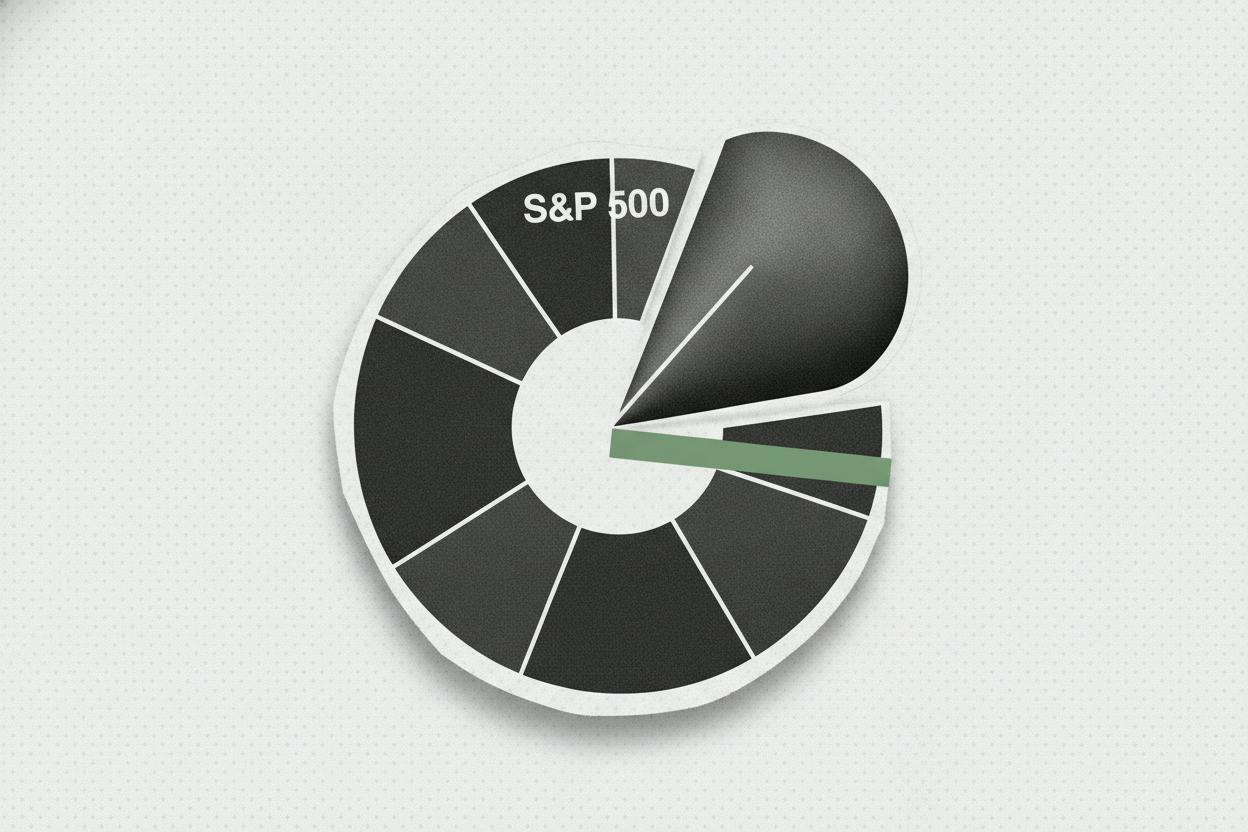
Today's AI rally has a similar feel in some ways. A handful of mega-cap tech stocks have driven most of the market's gains, and valuations for some AI names are stretched. The S&P 500's concentration in a few companies is at levels not seen in decades, which raises the stakes if those stocks stumble.
But the Reuters column argues that profitability changes the calculus. Companies like Nvidia are not just talking about AI — they're selling chips and software that generate real revenue and earnings. That's a far cry from the dotcom era, when many companies had no earnings at all.
Where the froth remains
Still, the column warns that froth exists. Rich valuations mean that even good news might not be enough to justify current prices. If growth slows or interest rates stay higher for longer, the stocks most exposed to AI optimism could see sharp pullbacks.
Market concentration is another concern. When a few stocks drive the bulk of index gains, a stumble in one can drag the whole market down. That's a risk investors should be aware of, even if the fundamentals are better than in 2000.
Some AI leaders have themselves called for slower development, which could temper the hype. And while the rally has been global, it's not immune to shocks — as seen in recent moves in Asian markets.
What it means for investors
For everyday investors, the takeaway isn't to panic or to jump in blindly. The dotcom comparison is a useful reminder that markets can overheat, but it's not a prediction of a crash. Today's tech leaders are profitable, which gives them more room to weather a downturn than their dotcom predecessors had.
That said, valuations matter. When you pay a high price for a stock, you're betting on strong future growth. If that growth doesn't materialize, the downside can be steep. Diversification remains a key tool — don't put all your eggs in one basket, even if that basket is AI.
Investors should also watch interest rates. Some analysts argue valuations look balanced when you factor in bond yields, but that balance can shift quickly if rates move. The Bank of Japan's expected rate hike is one example of how global monetary policy can ripple through markets.
In the end, the AI rally may not be 2000 all over again, but that doesn't mean it's risk-free. The smart approach is to stay informed, keep a long-term perspective, and avoid chasing hype. As the Reuters column suggests, the froth is there — it's just not as thick as it was two decades ago.