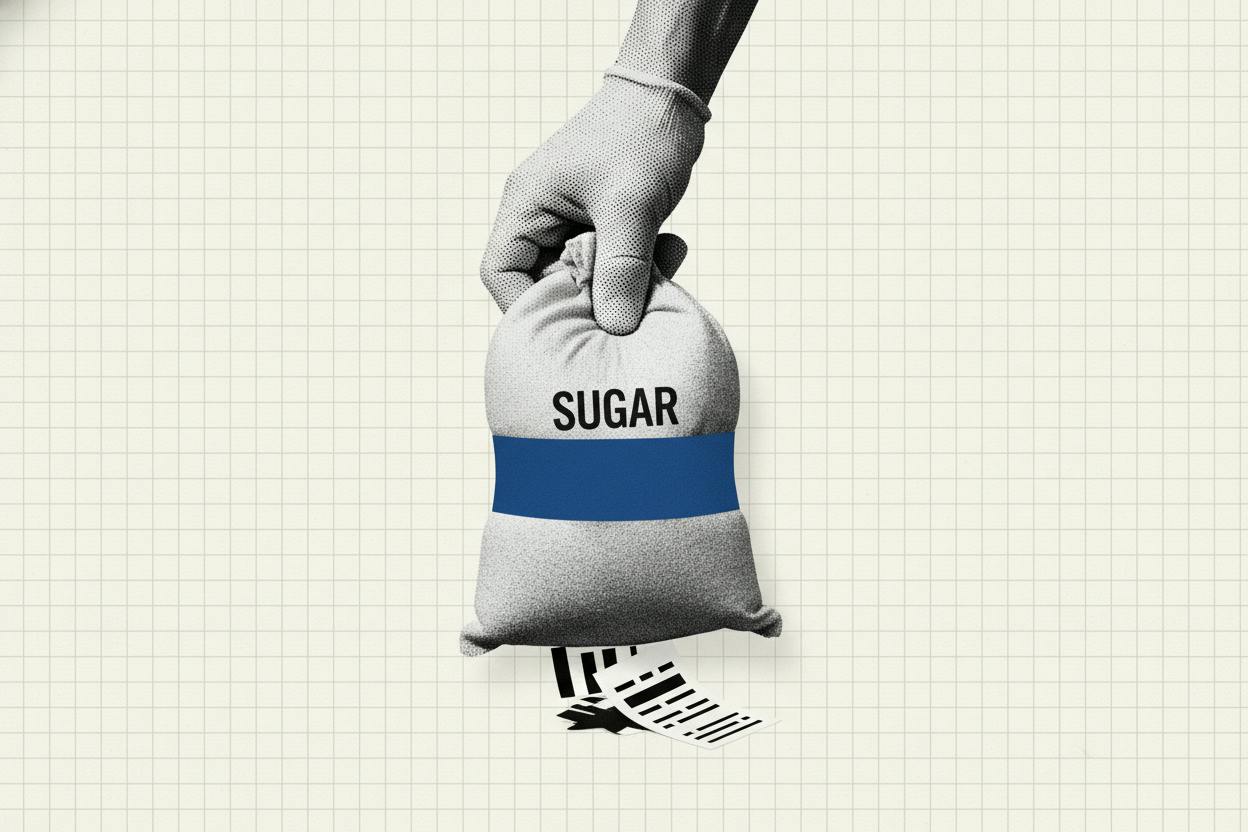
One buyer is set to absorb the entire October raw sugar futures contract on the Intercontinental Exchange (ICE). Traders estimate that Wilmar International, the Singapore-based agribusiness giant, will take delivery of all 28,574 lots that went to expiry — roughly 1.45 million metric tons of raw sugar. Brazil's BTG Pactual Commodities was identified as the largest deliverer, according to market chatter. ICE is expected to publish the official delivery tally on Thursday.
The lopsided outcome is unusual. In a typical expiry, deliveries are spread among several buyers and sellers as traders close out positions or roll them into later months. When a single party takes every lot, it signals either a strong physical demand for the commodity or a deliberate strategy to corner available supply.
How sugar futures delivery works
Futures contracts are agreements to buy or sell a set amount of a commodity at a future date. Most traders never intend to handle the actual product — they close their positions before expiry and pocket the difference. But when a contract expires, the exchange matches remaining buyers and sellers for physical delivery through approved warehouses.
For raw sugar, one lot equals 50 metric tons. The 28,574 lots in the October contract therefore represent about 1.45 million tons — a sizable chunk of global trade. Wilmar, one of the world's largest sugar traders and processors, has the infrastructure to receive and refine that volume. BTG Pactual, a major Brazilian bank with a commodities arm, was named as the main party handing over the sugar.
Brazil is the world's top sugar producer and exporter, so it is no surprise that a Brazilian entity is the largest deliverer. The country's center-south region is in the middle of its harvest season, which typically runs from April to November. That fresh supply often flows into the futures market when prices are favorable.
Why this matters for the sugar market
A single buyer taking the entire delivery can tighten the available supply of raw sugar in the short term. If Wilmar holds the sugar rather than reselling it quickly, other buyers may have to pay up for prompt cargoes. That can support prices in the nearby contracts.
At the same time, the fact that BTG Pactual delivered such a large volume suggests that Brazilian producers and traders were eager to sell at current price levels. That could cap upside if more supply is waiting in the wings. The market will be watching whether the official ICE data on Thursday confirms the traders' estimates.
For context, sugar prices have been volatile in recent months, influenced by weather in Brazil and India, global demand, and currency moves. A weaker Brazilian real can encourage more exports, as producers receive more local currency for each dollar-denominated sale. The dollar's recent slip against some currencies may have played a role in making exports attractive.
What it means for investors
For everyday investors, this is a niche event, but it offers a window into how commodity markets function. If you own shares in Wilmar International or BTG Pactual, the delivery itself is unlikely to move the needle much — both companies handle large physical flows regularly. However, it does show Wilmar's willingness to take on significant inventory, which could be a bet on future demand or a way to secure supply for its refining and trading operations.
Investors with exposure to sugar through futures, exchange-traded funds (ETFs), or soft commodity funds should note that large deliveries can influence near-term prices. A single buyer absorbing all the deliverable supply may create a temporary squeeze, pushing prices higher. But if the sugar is quickly re-sold into the market, the effect could fade.
More broadly, the event is a reminder that commodity markets are driven by physical supply and demand, not just financial speculation. For those watching the agricultural sector, the official ICE tally on Thursday will provide clarity on who actually holds the sugar and what it might mean for prices in the weeks ahead.
It's also worth keeping an eye on the broader macro backdrop. Currency swings, such as those seen in the Latin American markets, can affect export competitiveness. And any shift in Brazilian production or global demand — from places like India or Thailand — will ultimately steer sugar prices.
For now, the market waits for ICE's official confirmation. If the preliminary numbers hold, it will be a notable example of how a single player can dominate a futures expiry, with ripple effects across the sugar supply chain.