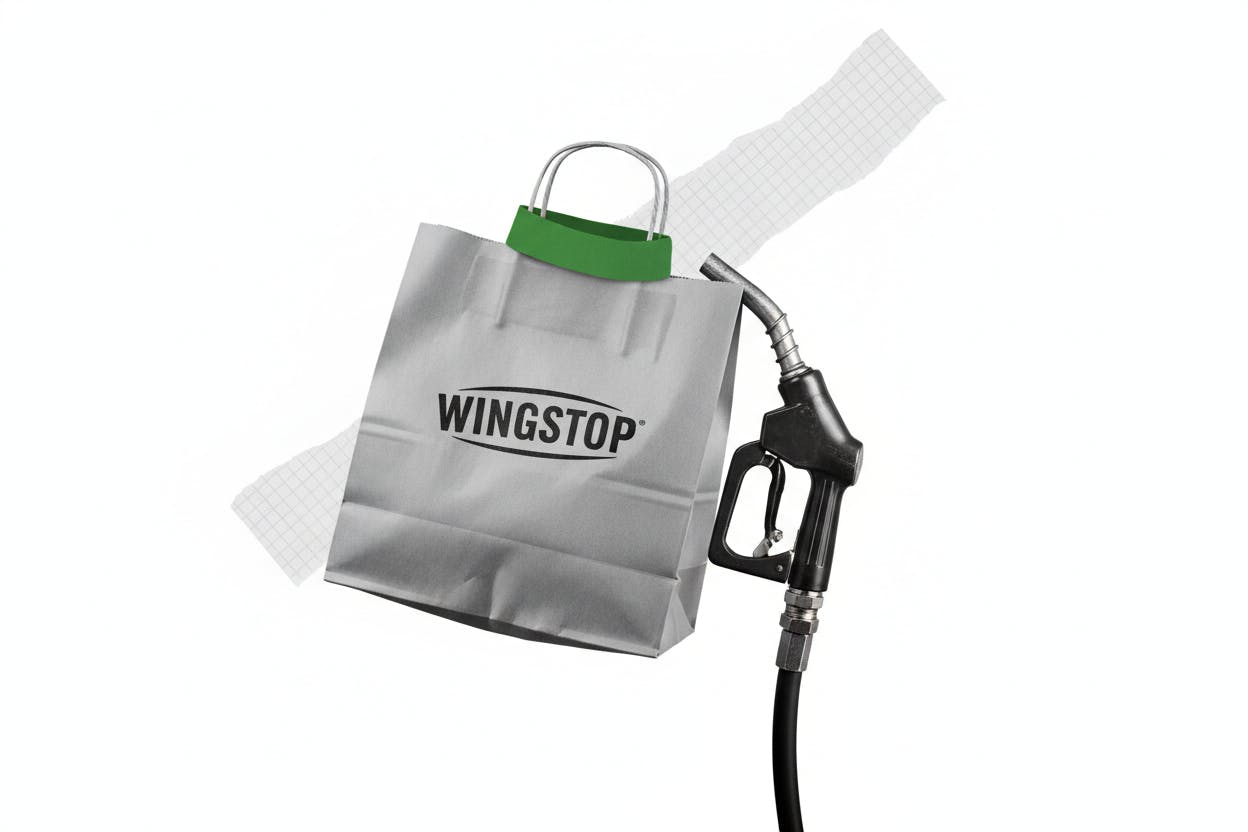
Wingstop is heading into its July 29th earnings report with a cloud of uncertainty hanging over its near-term performance. Higher gas prices are making customers think twice before dining out, and analysts at RBC Capital Markets expect that to show up in the company's second-quarter numbers. But the bank also sees a potential turnaround later this year, driven by the chain's value-focused strategy and operational improvements.
What RBC Expects for Q2
RBC Capital Markets, an investment bank that covers Wingstop, now expects the chicken-wing chain's same-store sales for the second quarter to fall 5.9%. That's a bit worse than the 5.2% decline that Wall Street analysts had been forecasting, and it lines up with Wingstop's own guidance for a mid-single-digit drop. Same-store sales are a key metric in the restaurant industry because they measure growth at locations that have been open for at least a year, stripping out the impact of new store openings.
The bank's argument is straightforward: when gas prices are high and volatile, they eat into consumers' discretionary budgets. Diners become more price-sensitive, and that can show up quickly in restaurant traffic, especially for chains like Wingstop that rely on a broad customer base. The pressure is particularly acute for quick-service restaurants, where a trip to the drive-thru or a delivery order is often one of the first things people cut back on when they feel a pinch in their wallets.
This dynamic has been playing out across the restaurant industry, and Wingstop is not alone in feeling the heat. US Consumer Sentiment Hits Five-Month High, But Rising Gas Prices Threaten Recovery highlights how optimism about the economy is being tempered by the reality of higher costs at the pump. Similarly, Consumer Sentiment Rises in July, But Gas Price Spike Could Reverse Gains shows that the recent spike in gas prices could undo some of the progress made in consumer confidence.
What Could Turn Things Around
Despite the near-term headwinds, RBC sees reasons for optimism in the second half of the year. The bank points to three key factors that could help Wingstop's results improve: value deals, faster service, and loyalty perks.
Value deals are a tried-and-true strategy for restaurant chains during tough economic times. By offering promotions that make customers feel like they're getting more for their money, Wingstop can attract budget-conscious diners who might otherwise stay home. Faster service is another lever: if the chain can reduce wait times and improve the overall customer experience, it can drive more repeat visits and higher satisfaction. Loyalty perks, such as rewards programs or exclusive offers for frequent customers, can also help retain existing customers and encourage them to spend more.
These initiatives are not new for Wingstop, but they could become more important as the company navigates a period of softer demand. The key question for investors is whether these efforts will be enough to offset the drag from higher gas prices.
What It Means for Investors
For everyday investors, the takeaway is that Wingstop's near-term performance is likely to be bumpy, but the longer-term outlook may be more favorable. The company's focus on value and operational efficiency could help it weather the storm, especially if gas prices stabilize or decline later this year.
Investors should keep an eye on the July 29th earnings report for more details on how the chain is managing the current environment. Key metrics to watch include same-store sales trends, traffic numbers, and any commentary from management about the impact of gas prices on customer behavior. Also worth noting is whether the company's value deals and loyalty programs are gaining traction.
It's also important to remember that Wingstop operates in a highly competitive space. Other fast-food chains are also rolling out value offers and loyalty programs, so the company will need to differentiate itself to stand out. The broader economic backdrop, including inflation and consumer spending trends, will also play a role in determining how quickly the recovery materializes.
In the meantime, investors should not panic over a single quarter's results. Restaurant stocks can be volatile, and short-term headwinds like gas prices are often temporary. What matters more is whether the company has a solid long-term strategy and the ability to execute on it. Wingstop's focus on value, speed, and loyalty suggests it is positioning itself for a rebound, but the proof will be in the numbers.
As always, it's wise to diversify and not put all your eggs in one basket—or all your wings in one restaurant chain.