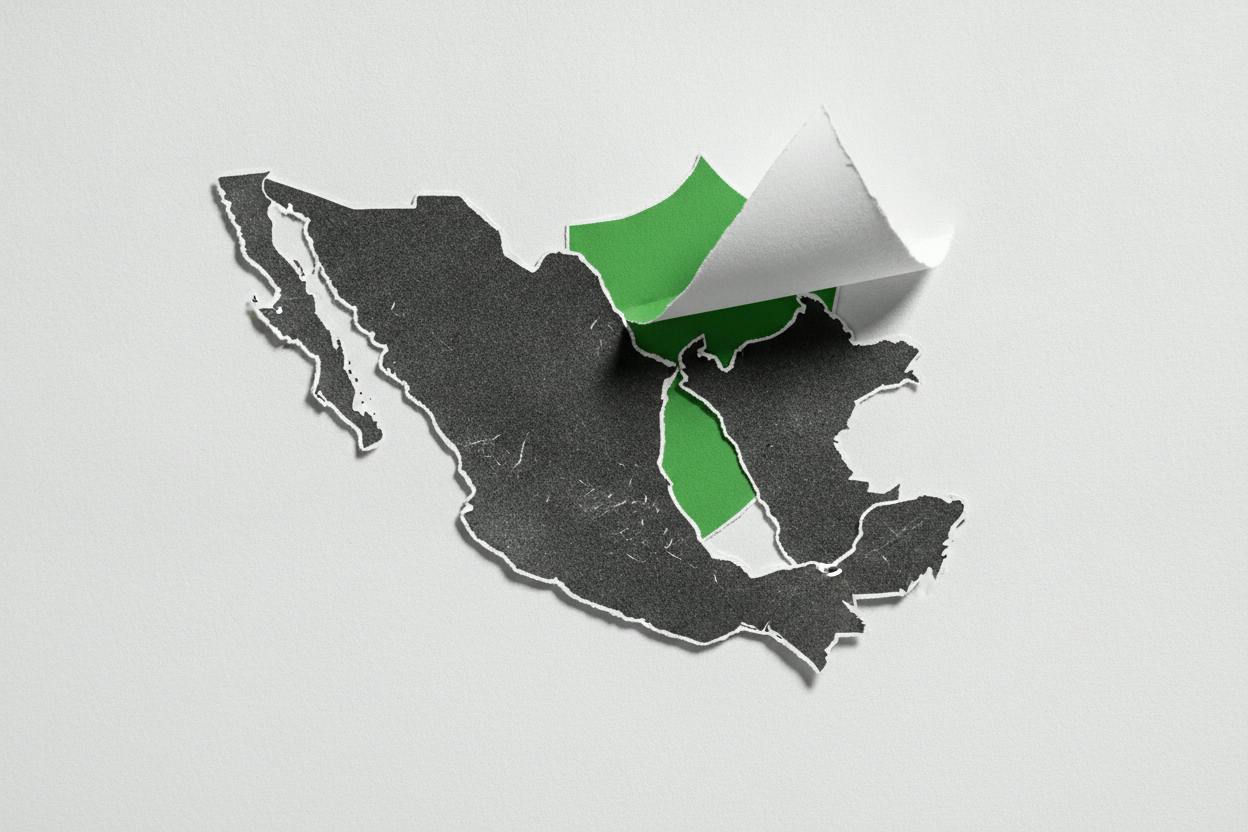
Xali Gold, a mineral explorer with projects in Mexico and Peru, says it is in talks to sell its El Oro hard-rock assets in Mexico. The move is part of a strategic shift toward advancing its newer Pico Machay gold project in Peru, which the company now sees as its primary focus.
The company said it still believes El Oro has significant potential, but delays have pushed the Mexican portfolio behind Pico Machay in terms of priority. As a result, Xali is exploring a sale of those assets to raise funds and streamline its operations.
What's behind the decision?
Xali's Mexican subsidiary, Minera CCM, holds about $3.04 million in tax loss carryforwards. These are losses that can be used to offset future taxable profits, which could make the Mexican assets more attractive to a buyer that already earns taxable income in Mexico. That tax benefit could be a key selling point in negotiations.
However, the company is also dealing with complications in Mexico. It recently chose not to challenge the cancellation of two additional claims, and there are questions surrounding its tailings site. These issues have added uncertainty to the Mexican operations.
If a sale does not materialize, Xali may reduce its El Oro land position to lower ongoing mineral-rights fees. Mining claims typically require annual payments to maintain the rights, and shrinking the land package would cut those costs.
What it means for investors
For investors, this news signals a clear strategic pivot. Xali is essentially prioritizing its Peruvian project over its Mexican assets. That could be a positive if Pico Machay offers better prospects, but it also means the company is willing to part with assets it once considered valuable.
The potential sale could provide a cash infusion to fund exploration or development at Pico Machay. However, there is no guarantee a deal will happen. If the sale falls through, the company's plan to reduce its land position suggests it is looking to cut costs and preserve capital.
Investors should also note the tax loss carryforwards. These can be a valuable asset for a profitable Mexican company looking to reduce its tax bill, which might make the El Oro assets more appealing to a strategic buyer.
That said, the broader context matters. Junior mining explorers often face funding challenges, and selling non-core assets to focus on a single project is a common strategy. The success of this move will depend on whether Xali can secure a favorable sale and whether Pico Machay delivers on its promise.
For now, investors will be watching for updates on the sale talks and any news about the status of the Mexican claims. The company's next steps could significantly impact its financial position and its ability to advance its Peruvian project.
As with any exploration-stage company, there are risks. The value of mining assets can be volatile, and regulatory or operational issues can arise. Investors should weigh these factors carefully and consider their own risk tolerance.
In the meantime, Xali's decision to potentially sell its Mexican assets is a reminder that mining companies often have to make tough choices about where to allocate limited resources. For those following the company, the key question is whether this strategic shift will pay off in the long run.