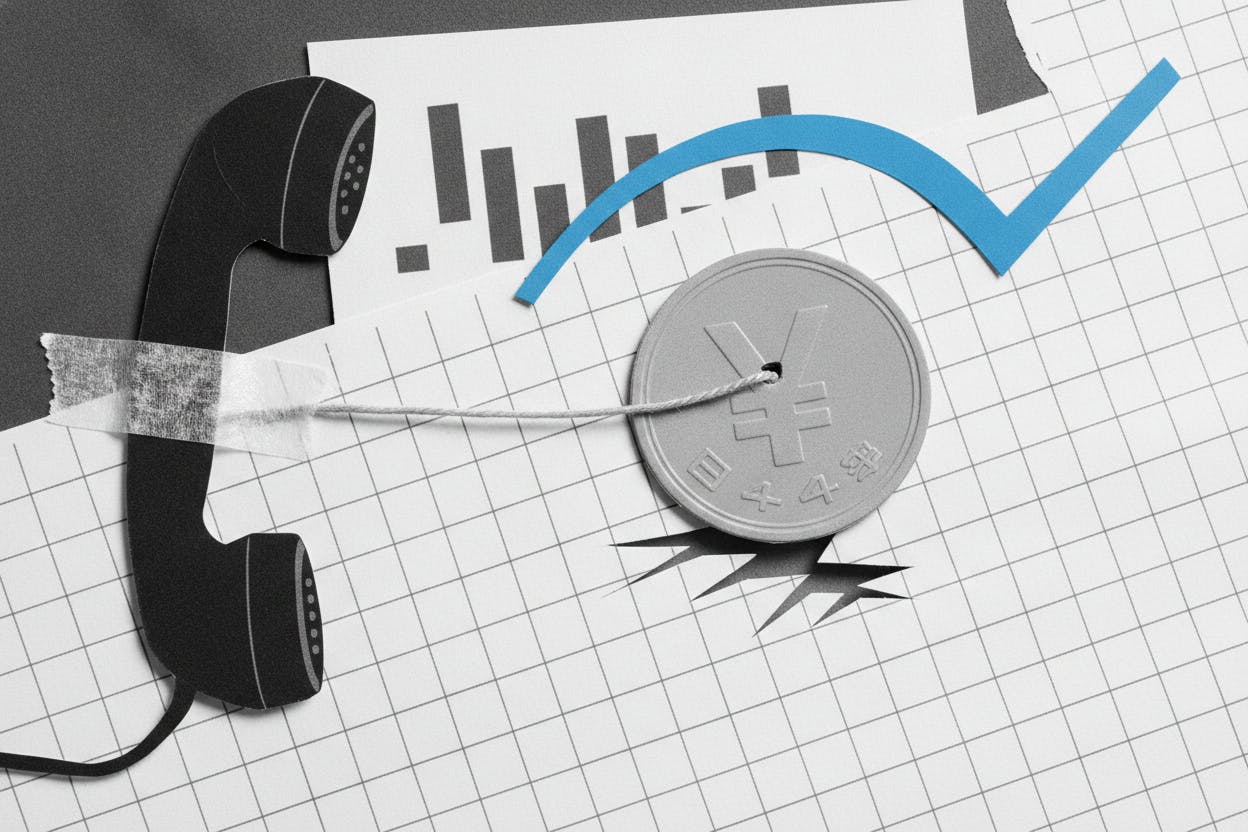
The Japanese yen suddenly strengthened on [day], climbing 0.94% to 158.67 per dollar, and traders immediately scrambled to figure out what had just happened. Was Tokyo leaning on the market with actual intervention, or was it merely a warning shot designed to rattle speculators?
The move came after Bank of Japan (BOJ) policymaker Hajime Takata argued for “nimble” rate hikes as inflation pressures build, and Governor Kazuo Ueda signaled there’s a strong chance of a hike this month. Those hawkish comments gave the yen a boost, but the timing also revived talk of a “rate check” — a tool officials use to gauge market conditions without actually buying or selling currency.
What is a rate check?
A rate check happens when central bank or finance ministry officials ask commercial banks for their current exchange-rate quotes. It’s a way to see where the market is trading and who’s buying or selling. Unlike full-blown intervention, a rate check doesn’t involve any actual transactions. But it can still spook traders, because it signals that officials are watching closely and might step in if the move goes too far.
In this case, the yen’s jump coincided with reports that Japanese authorities may have conducted a rate check, though analysts are split on whether that actually happened or whether the move was purely driven by the BOJ’s hawkish tone. The debate underscores how opaque currency intervention can be — officials rarely confirm their actions in real time, leaving markets to guess.
Why the yen matters
The yen has been under pressure for months as the gap between U.S. and Japanese interest rates remains wide. While the Federal Reserve has been cutting rates, the BOJ has been slowly normalizing policy after years of ultra-low rates. That divergence has made the dollar more attractive, pushing the yen to multi-decade lows.
But now, with inflation in Japan picking up, the BOJ is signaling it may act more aggressively. Takata’s call for “nimble” hikes and Ueda’s hint of a possible move this month suggest the central bank is preparing to tighten policy sooner rather than later. That would narrow the rate gap and could support the yen over time.
The yen’s strength also has ripple effects across global markets. A stronger yen can hurt Japanese exporters by making their goods more expensive abroad, but it can also ease import costs for energy and raw materials, which have been a drag on Japan’s economy.
What it means for investors
For everyday investors, the yen’s move is a reminder that currency markets can be volatile and that central bank comments can move them quickly. If you hold Japanese stocks or funds, a stronger yen could weigh on exporter shares, while domestic-focused companies might benefit from lower input costs.
For those with international portfolios, currency swings can affect returns when converting back to your home currency. A stronger yen means your Japanese investments are worth more in dollar terms, all else being equal.
The bigger picture is that the BOJ appears to be shifting toward a more hawkish stance, which could have implications for global interest rates and risk appetite. If Japan raises rates, it could attract capital back to yen-denominated assets, potentially putting pressure on U.S. Treasuries and other bond markets.
Analysts will be watching for any confirmation of intervention or further BOJ signals in the coming days. The dollar has been holding firm ahead of U.S. jobs data, which could also influence the yen’s direction. If U.S. data comes in strong, the dollar could regain momentum, but if it disappoints, the yen might extend its gains.
For now, the key question is whether Tokyo will step in more forcefully. The dollar has been supported by safe-haven flows amid geopolitical tensions, but a determined BOJ could change that dynamic. Investors should keep an eye on any official statements from Japanese authorities, as well as upcoming U.S. economic data, for clues about the next move.
In the meantime, the yen’s jump serves as a reminder that central bank communication is a powerful tool. Even without actual intervention, a few well-placed comments can move markets. For traders, the lesson is to stay nimble and be prepared for sudden shifts.