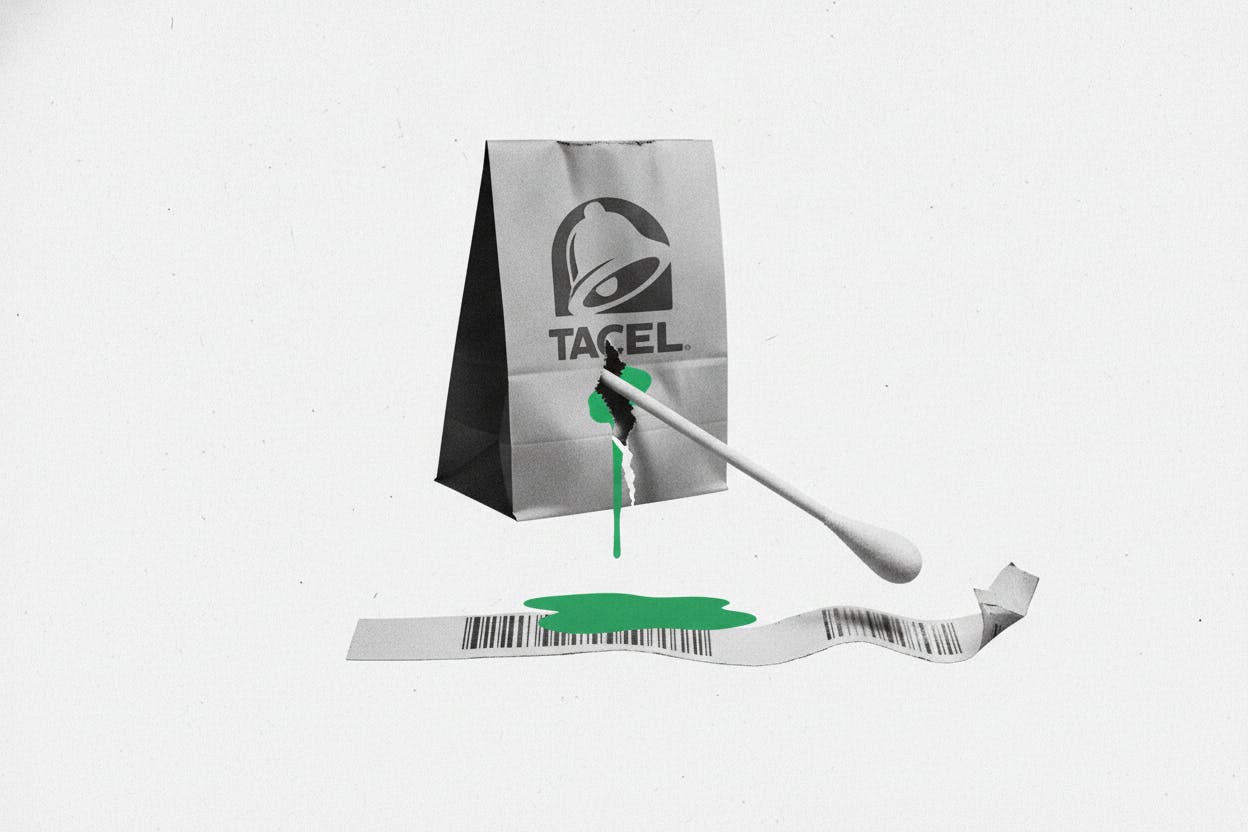
Yum Brands is set to report its second-quarter earnings on Thursday, but the headline numbers may take a back seat to a more pressing concern: how the company plans to handle the fallout from a Cyclospora outbreak linked to Taco Bell ingredients. The outbreak, which surfaced in July and was traced to a Taylor Farms plant in Mexico, has raised questions about customer trust and traffic at Taco Bell, a chain that has become a key profit driver for Yum.
What happened
Cyclospora is a parasite that can cause intestinal illness, and its link to Taco Bell ingredients has put the fast-food chain under scrutiny. The outbreak was traced to a Taylor Farms plant in Mexico, which supplied ingredients used in Taco Bell's menu items. While the exact impact on sales is still unclear, the timing is particularly challenging for Yum Brands, as Taco Bell has been a standout performer in its portfolio.
According to analysts tracked by LSEG, Yum Brands is expected to report roughly 3% comparable sales growth for the second quarter, along with an approximately 10% rise in adjusted profit. However, those figures largely reflect the period before the outbreak became public, meaning they may not capture the full extent of the damage. Investors will be looking for guidance on how the company plans to navigate the crisis in the months ahead.
Why Taco Bell matters
Taco Bell is not just another chain for Yum Brands; it is the company's growth engine. Reuters has described Taco Bell as Yum's key growth driver, and the company itself has said the chain generated nearly half of its operating profit in 2025. That makes any disruption to Taco Bell's performance a significant concern for shareholders.
The outbreak comes at a time when Yum Brands is already navigating a challenging environment for fast-food chains, with rising costs and shifting consumer preferences. The company's ability to rebuild trust and traffic at Taco Bell will be a critical test for CEO Chris Turner, who took the helm in 2023.
What investors are watching
Beyond the earnings numbers, investors will be listening closely to Turner's comments on the company's strategy for addressing the outbreak. Key questions include: How will Yum Brands communicate with customers about food safety? What steps is the company taking to ensure the supply chain is secure? And how long will it take for Taco Bell to recover from the reputational hit?
Yum Brands is not the only company facing food safety challenges. The broader restaurant industry has seen several high-profile outbreaks in recent years, and the response can have a lasting impact on brand loyalty and sales. For example, Chipotle Mexican Grill took years to fully recover from a series of foodborne illness outbreaks in 2015 and 2016, which led to a sharp drop in sales and a prolonged period of rebuilding trust.
Investors will also be watching for any signs of broader weakness in Yum Brands' other chains, including KFC and Pizza Hut. While Taco Bell has been the standout performer, the company's overall performance depends on the health of its entire portfolio.
What it means for investors
For everyday investors, the key takeaway is that Yum Brands' earnings report is about more than just the numbers. The company's ability to navigate the Cyclospora outbreak will be a critical factor in its near-term performance. If Taco Bell can quickly recover and regain customer trust, the impact on Yum's stock may be limited. However, if the outbreak leads to a prolonged decline in traffic, it could weigh on the company's earnings for quarters to come.
Investors should also consider the broader context of the fast-food industry, which is facing headwinds from inflation and changing consumer habits. Yum Brands' ability to adapt to these challenges, while managing the fallout from the outbreak, will be a key test of its resilience.
For more on how companies handle crises, check out our coverage of how US banks are navigating regulatory challenges and how airlines are adapting to changing consumer preferences.