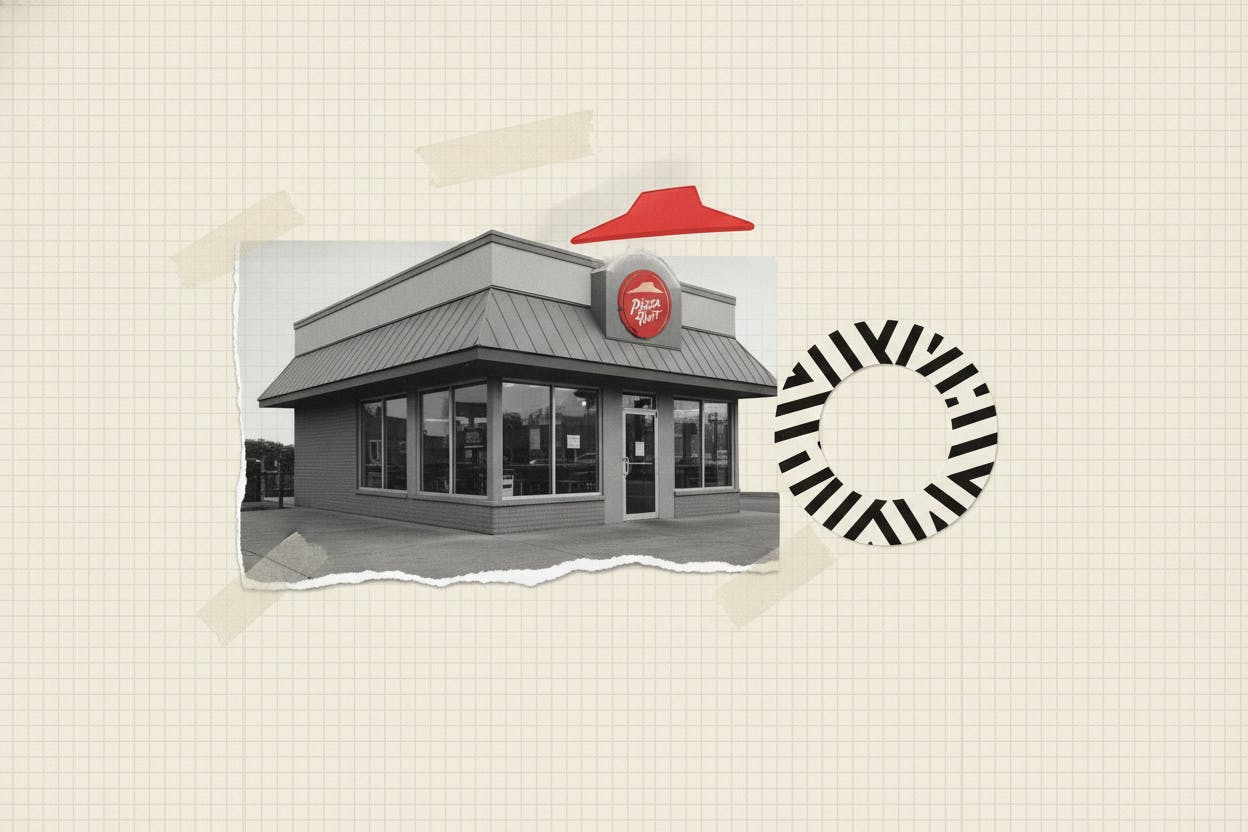
Yum China, the company behind KFC and Pizza Hut in China, has agreed to pay $1.2 billion to buy the Pizza Hut brand rights for Mainland China from its former parent, Yum! Brands. The deal ends a long-standing licensing arrangement under which Yum China paid a 3% royalty on Pizza Hut sales back to Yum! Brands. By owning the rights outright, Yum China keeps those fees in-house, which should directly improve profitability.
What the deal changes
Yum China has operated Pizza Hut in Mainland China for 36 years, but it did so under a license. That meant every year, a slice of revenue—3%—went to Yum! Brands as a licensing fee. The new agreement converts that relationship into full brand ownership for Yum China in that market. While the upfront cost is significant, the recurring savings are the real prize. Eliminating the royalty should lift Pizza Hut's restaurant and operating profit margins, according to MT Newswires.
The deal also sets the stage for faster store openings. Without the need to negotiate or renew licensing terms, Yum China can move more quickly to expand its Pizza Hut footprint across the country. Faster expansion, combined with higher margins, is why the company expects earnings per share (EPS) to rise starting in 2026.
Why this matters for investors
For everyday investors, this is a classic example of a company buying its way to better economics. The $1.2 billion price tag is a one-time cost, but the 3% royalty was a permanent drag on profits. By removing that drag, Yum China keeps more of every dollar of Pizza Hut sales. That can translate into higher net income and, eventually, a stronger stock price.
It also signals confidence in the Chinese market. Yum China is betting that owning the brand outright will let it grow more aggressively and profitably. The move comes as China's economy shows mixed signals—recent data showed trade surplus beating forecasts even as it narrowed, and the yuan holding near a 3-1/2-year high. Consumer spending, though, remains a key watchpoint for restaurant chains.
Investors should note that the EPS boost is expected only from 2026, meaning the deal's benefits will take time to show up in financial results. In the meantime, Yum China will absorb the $1.2 billion cost, which could weigh on near-term cash flow.
What to watch next
Keep an eye on how Yum China funds the purchase—whether through cash, debt, or a mix—and how quickly it accelerates Pizza Hut openings. Also watch for any impact on its dividend or share buyback plans, as the company balances this investment with returning cash to shareholders.
For context, Yum China's move is part of a broader trend of companies buying brand rights to simplify operations and cut recurring costs. It's a strategy that can pay off if the acquired rights generate strong returns. But it also carries risk: if the Chinese consumer environment weakens, the expected growth may not materialize.
In the meantime, Yum China remains a major player in China's fast-food market, with KFC as its other big brand. The Pizza Hut deal is a strategic bet that owning the brand will be more valuable than renting it. For investors, the key question is whether the $1.2 billion investment will deliver the promised margin gains and faster growth—and whether that will be enough to lift the stock over the long term.