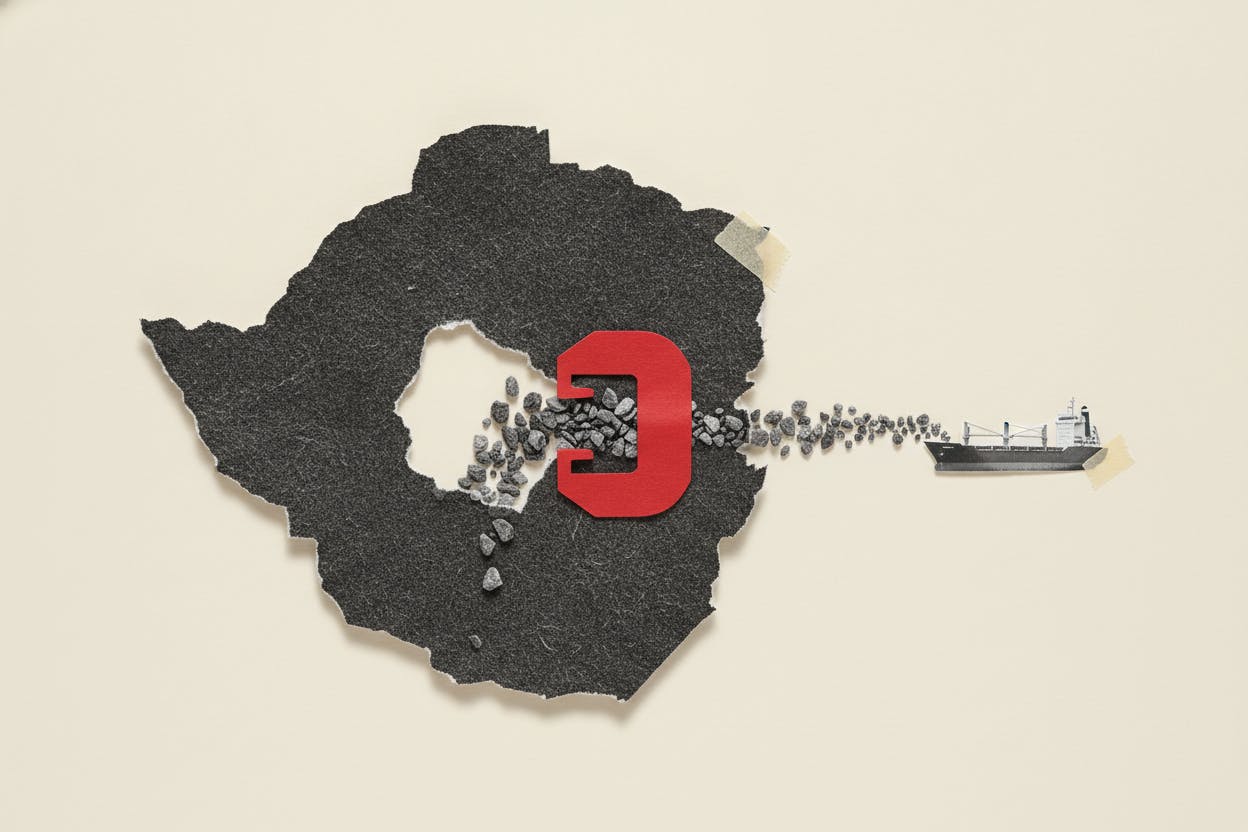
Zimbabwe is tightening its grip on lithium exports, but one Chinese miner just got a notable exception. Sinomine, a China-based mining company, has secured approval to ship an additional 300,000 metric tons of lithium concentrate, even as the country pushes toward a full export ban in January 2027.
The development underscores a broader trend: resource-rich nations are increasingly demanding that miners process raw materials domestically rather than shipping them abroad for refining. For investors, it's a reminder that geopolitical and regulatory shifts can reshape supply chains in critical minerals like lithium, which powers electric vehicle batteries and energy storage systems.
What's behind Zimbabwe's export restrictions?
Zimbabwe holds significant lithium reserves, and the government has been signaling for years that it wants a larger share of the value chain. By limiting exports of raw concentrate, the country aims to encourage the construction of local processing facilities, which would create jobs and capture more economic benefit.
The planned January 2027 ban is the most aggressive step yet. It would effectively force miners to refine lithium within Zimbabwe or face restrictions on shipping unprocessed material. This is part of a wider pattern seen in other resource-rich countries, from Indonesia's nickel export ban to Chile's push for greater state control over lithium.
Sinomine's extra quota is a temporary reprieve. The company, which operates the Bikita mine in Zimbabwe, has been granted permission to export an additional 300,000 tons of concentrate. That's a significant volume, but it's also a clear signal that the window for raw exports is closing.
Why does this matter for lithium investors?
Lithium prices have been volatile, and supply chain disruptions can move markets. When a major producer like Zimbabwe tightens export rules, it can reduce the global supply of raw concentrate, potentially supporting prices. However, the impact depends on how quickly miners can adapt by building local processing capacity.
For companies like Sinomine, the extra quota provides short-term relief, allowing them to continue selling concentrate while they evaluate longer-term options. But the 2027 ban creates uncertainty, and miners may need to invest heavily in new facilities or risk losing access to Zimbabwe's reserves.
Investors should watch how other lithium producers respond. If Zimbabwe's approach proves workable, other countries may follow suit, which could reshape the global lithium trade. On the other hand, if processing costs prove too high, some miners might simply exit the country, reducing supply and potentially boosting prices.
This story also ties into broader trends in the energy transition. As demand for electric vehicles grows, securing reliable lithium supplies has become a strategic priority for many governments. SQM's recent profit beat shows how lithium producers can benefit from price rebounds, but regulatory changes like Zimbabwe's add a layer of risk.
What to watch next
Investors will be watching several things in the coming months. First, whether Sinomine and other miners announce plans to build processing plants in Zimbabwe. Second, whether the government grants more exceptions like the one just given to Sinomine. Third, how the global lithium market reacts to the tightening supply of raw concentrate.
There's also a broader question about the balance of power in critical minerals. Countries that control raw materials are increasingly using that leverage to demand more value-added processing. This can be good for local economies but adds complexity for global companies and their shareholders.
For everyday investors, the key takeaway is that lithium is not just a commodity—it's also a geopolitical asset. Similar dynamics are playing out in copper, where supply concerns have driven price rallies. Understanding these regulatory shifts can help you anticipate moves in mining stocks and battery supply chains.
Zimbabwe's move is a clear example of resource nationalism, and it's unlikely to be the last. As the energy transition accelerates, expect more countries to follow suit, creating both opportunities and risks for investors.



