Abercrombie & Fitch gave investors a pleasant surprise on Tuesday, sending shares soaring 31% after the retailer raised its full-year outlook. The jump came after the company reported second-quarter results that beat Wall Street estimates, helped in part by refunds tied to tariffs.
The stock traded at roughly 10 times its average daily volume, a sign that the move wasn't just a blip but a major repricing of the company's prospects. For everyday investors, the surge highlights how a single earnings report can dramatically change the market's view of a company.
What happened
Abercrombie & Fitch, known for its namesake brand and Hollister, said it now expects stronger full-year results than previously guided. The improvement was driven by better-than-expected second-quarter performance, which included a boost from tariff-related refunds.
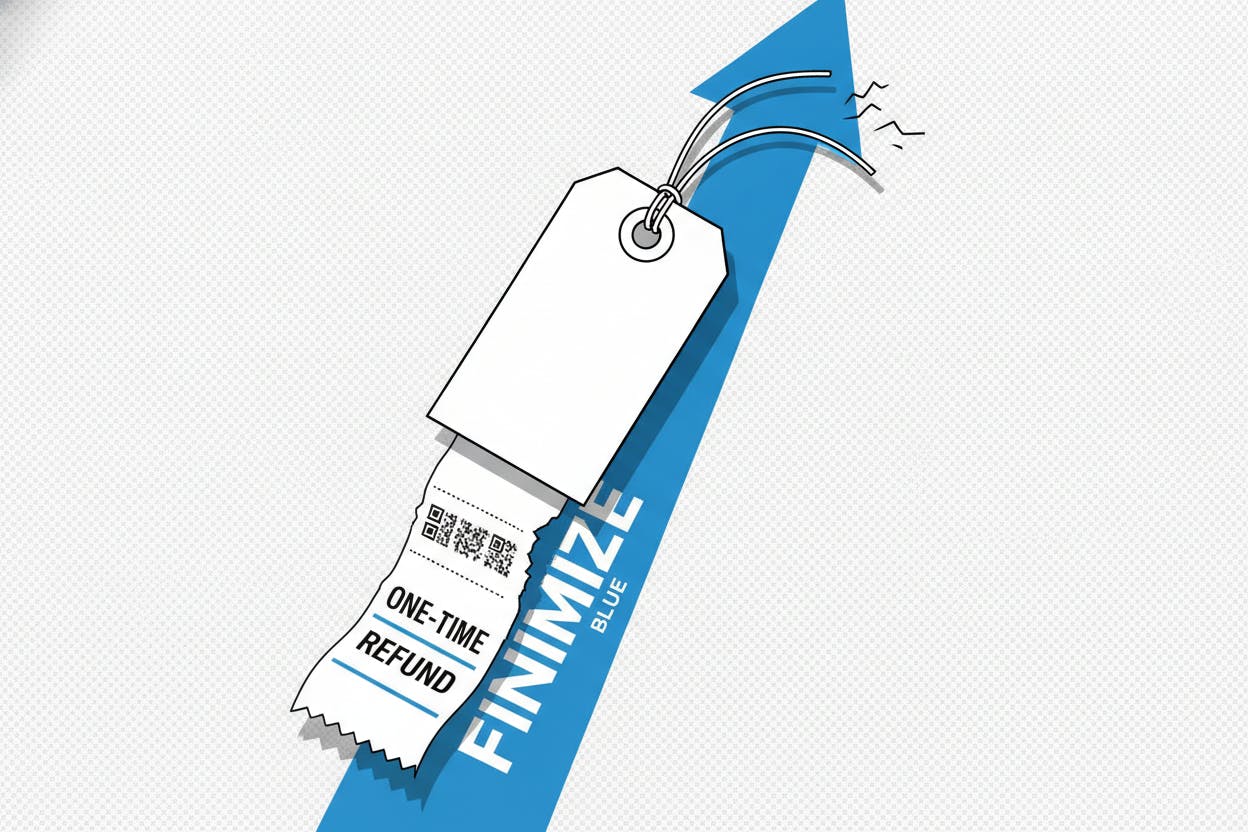
Tariffs are taxes on imported goods, and when companies pay them, they often pass the cost to consumers or absorb it themselves. But in some cases, companies can receive refunds if the tariff situation changes or if they successfully challenge the duties. For Abercrombie, those refunds added to the bottom line, helping it beat analyst expectations.
The company didn't specify the exact amount of the refunds, but the impact was enough to lift its profit outlook for the year. This is similar to what Kohl's experienced recently, when it also raised its profit outlook after receiving a tariff refund, though its shares fell on weak sales.
Why the market reacted so strongly
A 31% jump is a big move for any stock, let alone a well-known retailer. The heavy trading volume suggests that many investors were caught off guard by the strength of the results and rushed to adjust their positions.
Part of the enthusiasm likely stems from the fact that Abercrombie has been on a roll. The company has reinvented itself over the past few years, moving away from its old logo-heavy styles toward a more modern, inclusive aesthetic. That shift has resonated with younger shoppers, and the brand has posted strong sales growth even as other apparel retailers struggle.
The tariff refunds are a one-time boost, but the raised outlook suggests management sees continued momentum in the core business. For investors, the key question is whether the company can sustain its growth without the help of such refunds.
What it means for investors
For those who own Abercrombie shares, the jump is a welcome gain. But it also raises the bar for future performance. The stock now trades at a higher valuation, meaning the company will need to keep delivering strong results to justify the price.
For those considering buying in, it's worth noting that the stock's sharp rise may already reflect much of the good news. Chasing a stock after a 31% jump can be risky, as the market may have already priced in the improved outlook.
It's also important to remember that tariff refunds are not a recurring source of income. They are a windfall, not a sustainable profit driver. Investors should focus on the underlying health of the business—same-store sales, customer traffic, and brand momentum—rather than one-time gains.
The broader retail environment remains challenging, with consumers feeling the pinch of inflation and shifting spending habits. However, Abercrombie has shown resilience, and its ability to beat estimates even in this environment is a positive sign.
Other movers in the retail space
Abercrombie wasn't the only company making waves. Cre8 Enterprise and YY Group also logged unusually heavy trading after their updates, though the brief doesn't specify the direction of their moves. Such volume spikes often indicate that investors are reacting to new information, and they can be a signal of heightened interest in a stock.
For everyday investors, it's a reminder that earnings season can bring volatility, and that it's important to look beyond the headline numbers to understand what's driving a company's performance.
As always, it's wise to keep a diversified portfolio and not put all your eggs in one basket, no matter how promising a single stock looks.