Adani Total Gas, the Indian city-gas distributor jointly owned by the Adani Group and France's TotalEnergies, reported a sharp drop in quarterly profit on Tuesday, as higher costs for imported natural gas outweighed a strong rise in sales.
The company said net profit fell 14.2% to 1.42 billion rupees (about $17 million) in the three months ended June 30, even as revenue jumped 27.3% to 19.07 billion rupees. The culprit: fuel costs surged 40.3%, pushing total expenses up 35.2% to 17.42 billion rupees.
Why gas got pricier
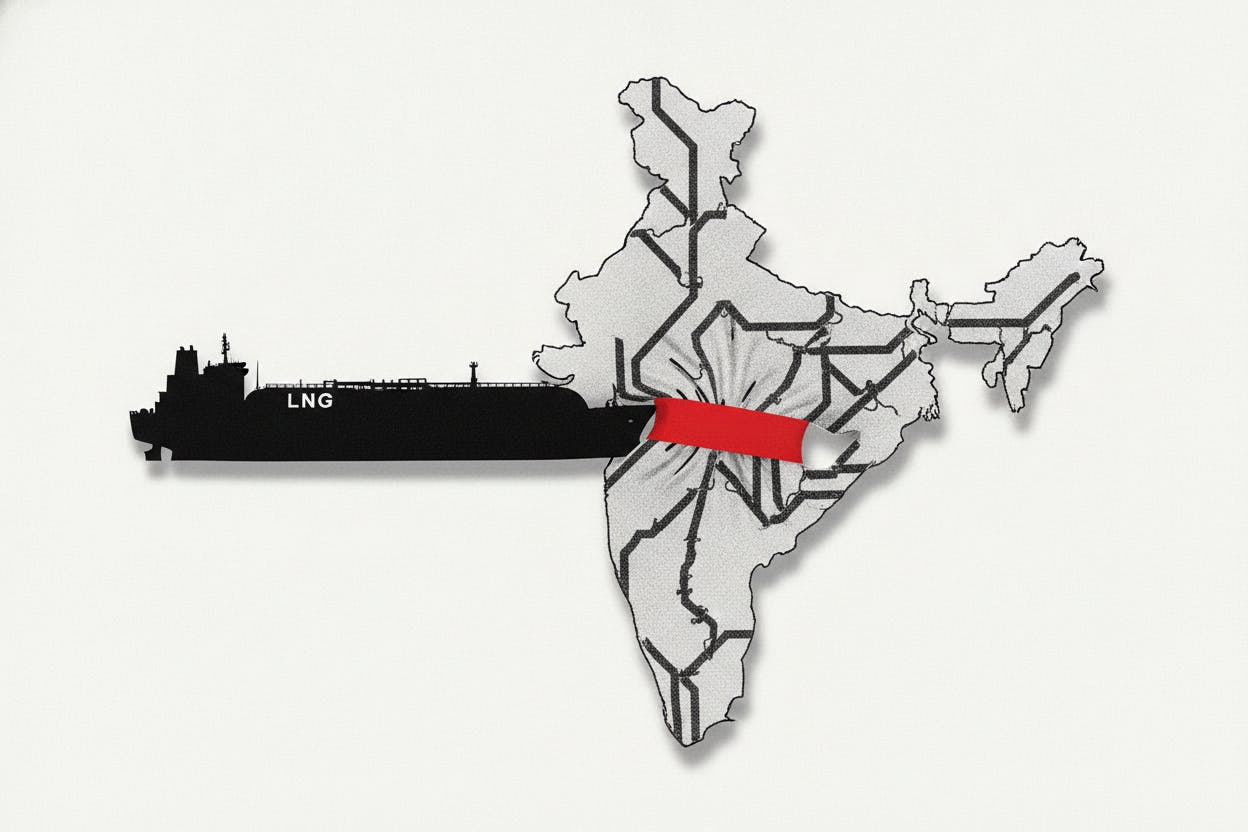
Adani Total Gas distributes natural gas to households, businesses and vehicle fleets across Indian cities. While it sources some gas from domestic fields, a growing share comes from international markets, where prices have been volatile. The company said higher import costs were the main reason its profit margin shrank.
Global natural gas prices have been under pressure from a mix of factors: strong demand in Asia, supply disruptions linked to the war in Ukraine, and competition for liquefied natural gas (LNG) cargoes from Europe. For Indian distributors like Adani Total Gas, that means paying more for the fuel they then sell to end customers.
Unlike some other energy firms, city-gas distributors cannot always pass on higher costs immediately, because retail prices are partly regulated or subject to long-term contracts. That can squeeze profits in periods of rising input costs.
Revenue growth masks margin pressure
On the surface, the 27.3% revenue increase looks strong. But the profit decline shows that the company's costs are rising faster than its ability to charge customers. The net profit margin — the percentage of revenue that turns into profit — fell to roughly 7.4% from about 10.8% a year earlier.
Adani Total Gas is not alone in facing this squeeze. Across India, city-gas distributors have been grappling with higher input costs, even as the government pushes for greater use of natural gas to reduce pollution. The company's results echo a broader theme in the energy sector: when commodity prices climb, companies that buy and resell energy often see their margins compress.
For context, other energy firms have also reported mixed results recently. For example, Statkraft's Q2 profit doubled as Nordic power prices surged, while Boliden missed profit forecasts due to operational disruptions.
What it means for investors
For everyday investors, the Adani Total Gas results highlight a key risk in energy stocks: commodity price exposure. When a company's costs are tied to global markets but its selling prices are constrained, profits can be volatile.
Investors should watch two things going forward. First, global natural gas prices: if they stay elevated, Adani Total Gas may continue to see margin pressure. Second, the company's ability to pass on costs to customers — any regulatory changes or contract renegotiations could help or hurt.
The broader Indian market has been relatively flat recently, with Indian stocks staying flat as oil prices hover near $90. Energy stocks, in particular, are sensitive to both global commodity trends and domestic policy.
Adani Total Gas is part of the larger Adani Group, which has faced scrutiny from short-sellers and regulators over the past year. While the company's fundamentals are driven by gas distribution, any group-level news can also affect investor sentiment.
For now, the message from this quarter's numbers is clear: rising revenue does not always mean rising profits. When input costs climb faster than sales, even a growing business can see its bottom line shrink.