Norway's largest utility, Statkraft, reported a sharp jump in second-quarter profit on Wednesday, as higher power prices in the Nordic region more than compensated for reduced hydropower generation caused by dry conditions.
The state-owned company said its underlying operating profit doubled to NOK 5.1 billion (approximately $480 million) compared with the same period last year. The result underscores how energy producers across Europe continue to benefit from elevated electricity prices, even as some face operational headwinds from weather patterns.
Higher Prices Offset Lower Output
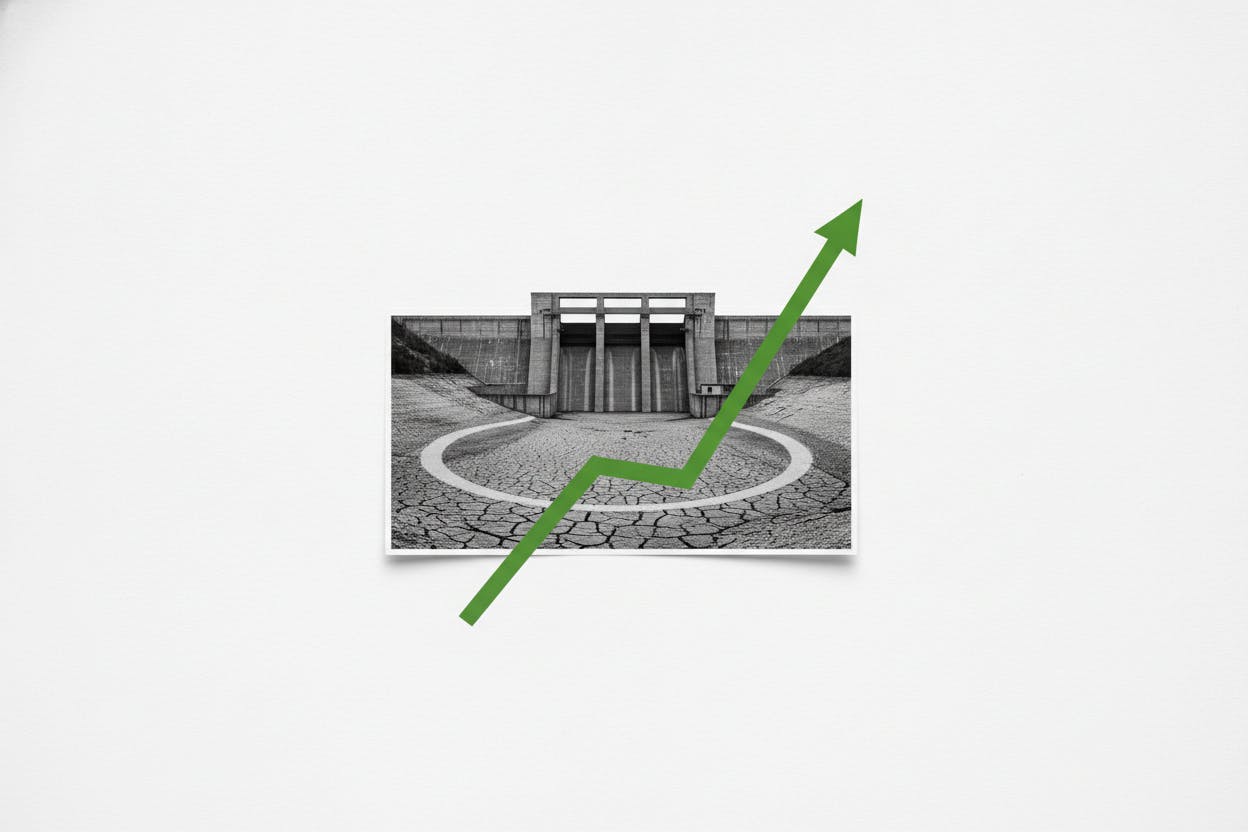
Statkraft's core business is hydropower, which relies on water reservoirs fed by rainfall and snowmelt. This quarter, dry weather across Scandinavia reduced water inflows, forcing the company to generate less electricity from its hydro plants. Typically, lower output would hurt profits, but the surge in Nordic power prices more than made up for the volume decline.
Nordic electricity prices have risen due to a combination of factors: tighter supply from low hydro reserves, higher natural gas costs in continental Europe, and increased demand from data centers and industrial users. The region's power market is interconnected with the broader European grid, meaning price movements in Germany or the UK can spill over into Scandinavia.
For context, hydropower is a flexible, low-cost source of electricity. When prices are high, every megawatt-hour sold generates significantly more revenue. Statkraft's ability to sell its limited output at elevated prices allowed it to nearly double its operating profit despite producing less power.
What This Means for Investors
Statkraft is not publicly traded—it is wholly owned by the Norwegian state—but its results offer important signals for investors in the broader energy sector. The company's performance reflects the ongoing strength of European power markets, which has implications for listed utilities, renewable energy developers, and even tech companies with large energy needs.
For investors in publicly traded European utilities, such as Orsted, EDP, or RWE, Statkraft's report suggests that power prices remain supportive for earnings, particularly for companies with hydro or wind assets that can sell into high-priced markets. However, the dry weather also highlights a risk: climate variability can disrupt renewable generation, making earnings less predictable.
Data center operators and other large power consumers are watching these dynamics closely. As CoreWeave's Q2 results hinge on data center power activation, the cost and availability of electricity are becoming critical factors for tech infrastructure investments.
Meanwhile, the broader commodity market is also seeing price pressures. Copper prices have risen as Chinese buying meets tight supply, and energy costs remain a key input for many industries.
Broader Energy Market Context
Statkraft's profit jump comes at a time when European energy markets are still adjusting to the aftermath of the 2022 energy crisis. While natural gas prices have fallen from their peaks, they remain above historical averages, keeping electricity costs elevated. This has been a boon for power producers but a burden for consumers and businesses.
The Nordic region, traditionally a low-cost power area thanks to abundant hydro and wind, has seen prices converge with the rest of Europe. This shift is partly due to increased interconnection and the EU's push for a unified energy market. For Statkraft, that means higher revenue per unit of electricity sold, but it also exposes the company to competition from other European generators.
Dry weather is a recurring challenge for hydro-dependent utilities. In severe cases, it can force companies to buy power on the open market to meet contractual obligations, squeezing margins. Statkraft managed to avoid that this quarter, but investors should monitor water reservoir levels and weather forecasts as indicators of future performance.
Looking Ahead
Statkraft's outlook depends on several factors: power prices, weather patterns, and regulatory changes. The company is also investing in wind and solar to diversify its generation mix, reducing its reliance on hydro. These projects take years to develop and require significant capital, but they could provide more stable earnings in the long run.
For everyday investors, Statkraft's results are a reminder that energy stocks—whether in renewables or fossil fuels—are highly sensitive to commodity prices. While high power prices boost profits, they also attract political scrutiny and potential windfall taxes. Norway has already imposed a resource rent tax on hydropower, which could limit future earnings growth.
Investors should also consider the broader economic backdrop. Canada's inflation eased to 2.8% in June, and central banks globally are watching energy costs as they set interest rates. Lower inflation could reduce pressure on power prices, but geopolitical risks—such as Houthi threats to Saudi shipping—could keep energy markets volatile.
Statkraft's strong quarter shows that even with operational challenges, power producers can thrive in a high-price environment. The key question for investors is how long those prices will stay elevated.