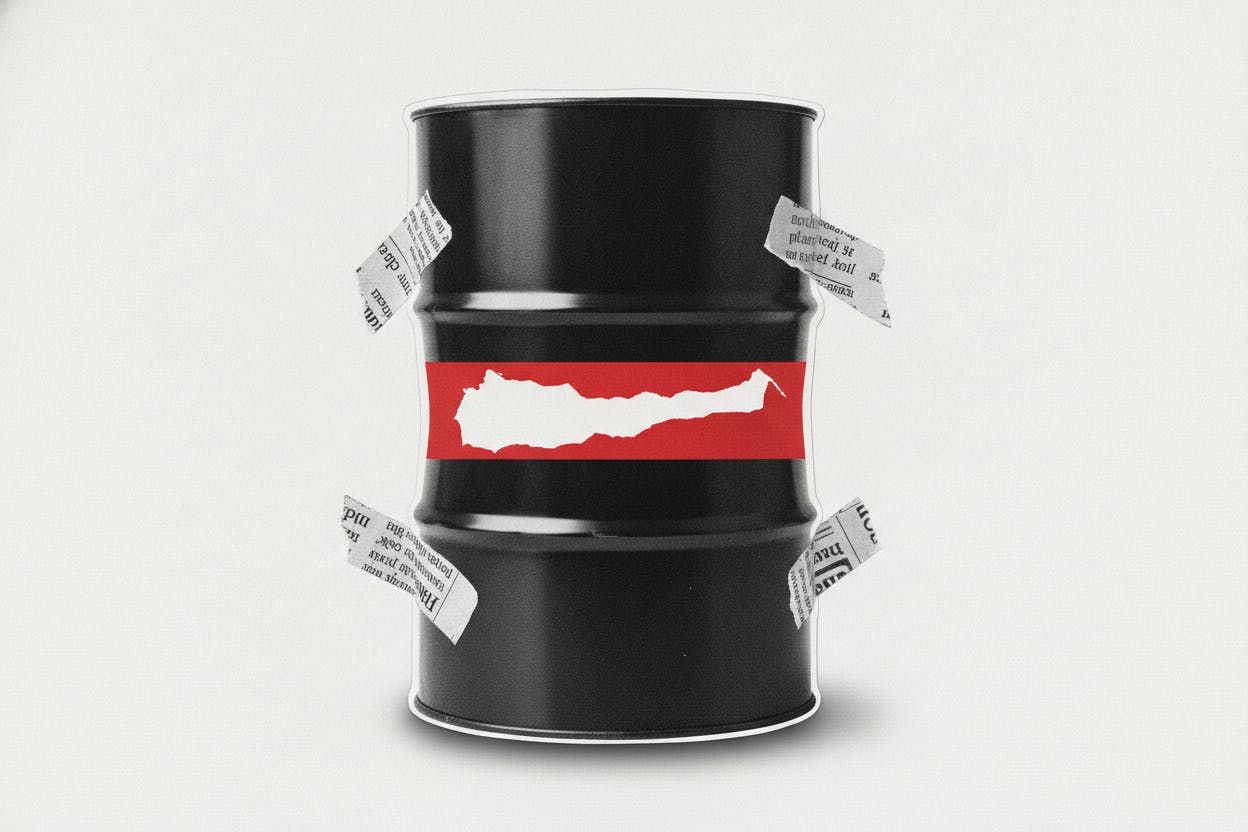
Oil prices turned higher on Tuesday after Yemen's Houthi group threatened a naval blockade on Saudi Arabia, reviving concerns that shipments through a critical maritime chokepoint could be disrupted. The move injected a fresh dose of geopolitical risk into crude markets, pushing both major benchmarks higher.
West Texas Intermediate (WTI), the U.S. benchmark, rose 0.5% to $82.86 a barrel, while Brent crude, the global benchmark, gained 0.8% to $88.80. The gains were modest but notable, coming after a period of relative calm in oil markets.
What's Behind the Threat?
The Houthis, an Iran-aligned group that controls much of Yemen, said they could impose a naval blockade on Saudi Arabia. While the threat has not been carried out, it immediately raised the specter of disruptions at the Bab el-Mandeb strait, a narrow waterway between the Red Sea and the Gulf of Aden.
Bab el-Mandeb is one of the world's most important oil transit chokepoints. According to Reuters, a full closure of the strait could cut global oil supply by about 7% by trapping most Saudi crude exports in the region. That would be a massive disruption, comparable to some of the biggest supply shocks in history.
The threat comes amid ongoing tensions in the Middle East, where the Israel-Hamas conflict has already raised the geopolitical temperature. Investors are watching for any escalation that could spill over into energy markets.
What It Means for Investors
Tuesday's price move is what traders call a "risk premium" bounce. That means prices rose not because of a change in actual supply or demand, but because the market is pricing in the possibility that getting crude to market could become harder. Underlying demand hasn't suddenly changed, but the perceived risk of disruption has.
For everyday investors, this is a reminder that oil prices can be highly sensitive to geopolitical events, even when those events don't immediately affect production. A threat alone can move prices, especially when it involves a critical chokepoint like Bab el-Mandeb.
If the threat escalates into actual disruption, the impact could be more severe. Higher oil prices tend to ripple through the economy, raising costs for transportation, manufacturing, and consumer goods. That could feed into inflation and influence central bank policy, including interest rate decisions.
Related reading: Canada's Inflation Eases to 2.8% in June as Gas Prices Drop, Core Pressures Persist
Broader Market Context
The oil price move comes against a backdrop of mixed signals for global markets. Earlier this year, Brent crude briefly topped $90 a barrel amid tensions in the Strait of Hormuz, another key chokepoint. That spike rattled equity markets, particularly in Asia and Europe, as investors worried about the economic impact of higher energy costs.
While Tuesday's move was smaller, it shows that geopolitical risk remains a live issue for oil markets. Investors are also watching for any signs of coordinated action by major producers, such as OPEC+, to adjust supply in response to price moves.
For now, the market is in a wait-and-see mode. The Houthi threat has not been acted upon, and Saudi Arabia has not reported any disruption to its exports. But the mere possibility is enough to keep a floor under prices.
Related reading: Europe Stocks Dip as Brent Crude Tops $90 on Iran Supply Fears
What to Watch Next
Investors should monitor any further statements from the Houthis or Saudi Arabia, as well as reports of actual naval activity in the Bab el-Mandeb area. Any signs of escalation could push prices higher, while a de-escalation could see the risk premium fade.
Also worth watching: the impact on broader markets. If oil prices stay elevated, it could weigh on sectors that are sensitive to energy costs, such as airlines and shipping. Conversely, energy stocks and oil-producing companies could benefit.
For a broader perspective on how geopolitical tensions are affecting commodities, check out: Cocoa Holds Near Highs as Ivory Coast Grinding Surges and El Nino Risks Loom
As always, the key for everyday investors is to stay informed but not overreact. Geopolitical events can create short-term volatility, but long-term investment decisions should be based on fundamentals, not headlines.