Aduro Clean Technologies, a Canada-based recycling technology firm, saw its shares slip 3.2% on the TSX after announcing it has moved from cataloging Mexico's packaging waste into lab-scale trials of its hydrochemolysis process. The stock now trades around C$18.33, reflecting investor caution as the company tackles one of the most stubborn problems in plastic recycling: flexible and multilayer packaging.
These materials—common in food wrappers, pouches, and multi-layer bottles—are typically a mix of polyethylene and polypropylene, combined with inks, adhesives, and food residue. Conventional recycling plants struggle to sort and reprocess them, so most ends up in landfills or incinerators. Aduro's technology aims to break those mixed plastics back into liquid hydrocarbons that could be refined into new plastics or fuels.
From Mapping to Testing
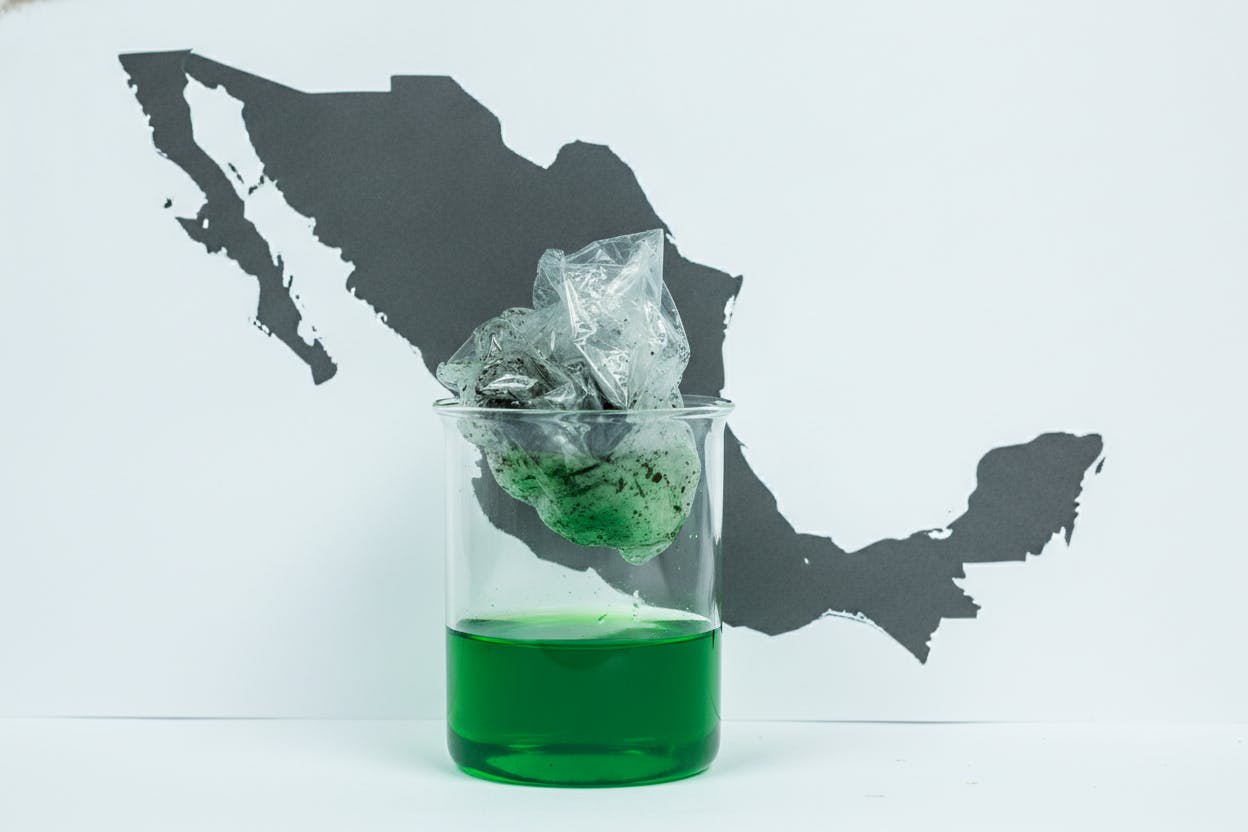
The company has been working with ECOCE, a Mexico-based nonprofit backed by food and beverage companies, to identify the most problematic packaging streams in the country. Now, select streams are entering lab-scale hydrochemolysis tests. This step is critical because real-world feedstock is where many recycling technologies stumble. Contaminants like inks and adhesives can lower conversion rates and degrade output quality, making the economics harder to justify.
Mexico's plastic waste challenge is particularly acute. The country generates millions of tons of plastic waste annually, and its recycling infrastructure is still developing. Aduro's partnership with ECOCE gives it access to a steady supply of hard-to-recycle materials, which could help validate its process at scale. However, the share price dip suggests investors are waiting for repeatable results before getting more excited.
What It Means for Investors
Early-stage recycling technology companies are often judged on data consistency rather than announcements. If Aduro's lab trials show that contamination doesn't derail conversion rates or output quality, it strengthens the case for a pilot plant and downstream buyer confidence. If results vary widely, extra sorting and cleanup costs could eat into margins, making the business model harder to prove.
The broader context matters too. Global demand for recycled plastics is rising, driven by corporate sustainability pledges and regulatory pressure. Companies like Aditya Birla and Shell are investing in clean energy and recycling, while CVC DIF is eyeing waste management assets in Europe. Aduro's success could position it as a key player in this space, but the technology must first prove itself at scale.
Mexico's economic backdrop also plays a role. Inflation has eased to 3.37%, as reported in June data, which could support consumer spending and packaging demand. But for Aduro, the immediate focus is on lab results.
What to Watch Next
Investors should monitor Aduro's progress through these lab trials. Key metrics include conversion rates, output quality, and consistency across different feedstock batches. The company will likely need to demonstrate that its process can handle the variability of real-world waste before moving to a pilot plant. Any announcements of partnerships or offtake agreements with downstream buyers would also be significant.
For now, the C$18.33 share price reflects a wait-and-see attitude. Aduro's technology has promise, but the path from lab to commercial reality is long and capital-intensive. Investors should keep an eye on the data.