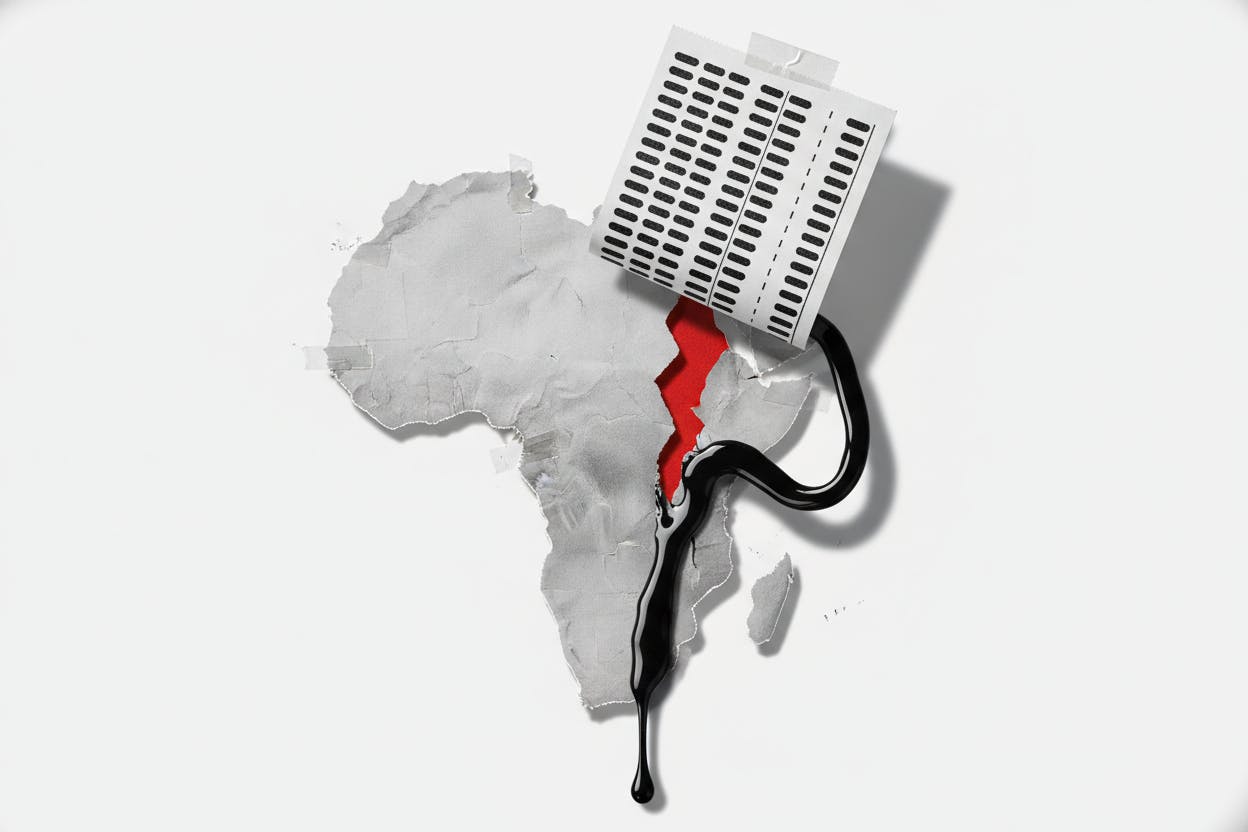
African markets opened Thursday with a mix of global and local signals. Oil prices fell for a third straight session, down about 1%, after Qatar indicated progress in indirect talks between the United States and Iran over the Strait of Hormuz. At the same time, traders were positioning ahead of US jobs data, while Ghana reported its June inflation rate climbed to 5.3% year-on-year.
Oil slide and the Strait of Hormuz factor
Crude oil has been under pressure this week as diplomatic signals from Qatar suggested that US-Iran negotiations over the Strait of Hormuz are moving forward. The strait is a narrow waterway between the Persian Gulf and the Gulf of Oman, through which roughly a fifth of the world's oil passes. Any reduction in the risk of disruption there tends to push oil prices lower, because traders price in a lower chance of supply being cut off.
For African economies, lower oil prices are a double-edged sword. Importers like Ghana, Kenya, and South Africa benefit because they spend less on fuel imports, which can help contain inflation and reduce pressure on foreign exchange reserves. Exporters like Nigeria and Angola, on the other hand, see their main revenue stream shrink, which can widen budget deficits and weaken currencies.
The broader global backdrop also matters. Investors are watching US jobs data due later this week, which can shift expectations for where the Federal Reserve takes interest rates. Strong jobs numbers typically raise the odds of higher-for-longer US rates, which tends to pull capital toward dollar-denominated assets and away from emerging markets like those in Africa. That dynamic can weaken African currencies and push up local borrowing costs.
Ghana inflation ticks up for third month
On the local front, Ghana's consumer price inflation rose to 5.3% in June, up from 3.7% in May. That marks the third consecutive monthly increase, though the level remains far below the double-digit rates Ghana experienced in recent years. The rise keeps pressure on the Bank of Ghana, which had been cutting interest rates to support growth. If inflation continues to climb, the central bank may need to pause or even reverse its easing cycle.
For investors holding Ghanaian bonds or Treasury bills, higher inflation erodes real returns. It also raises the risk that the central bank will tighten policy, which can push up short-term yields but also slow economic activity. The inflation data will be closely watched for signs of whether the trend is temporary or more persistent.
Zambia extends fuel tax suspension
Zambia announced a 90-day extension of its suspension of excise duty and value-added tax on petrol and diesel. The move is aimed at cushioning consumers and businesses from higher fuel costs, which have been a political and economic flashpoint. By keeping fuel prices artificially lower, the government hopes to contain inflation and support household spending, but the policy also reduces tax revenue and can strain public finances over time.
Zambia has been navigating a debt restructuring process under the G20 Common Framework, and the extension of fuel tax relief signals that the government is prioritizing short-term stability over fiscal consolidation. That could affect how international investors view Zambian assets, particularly if the relief measures delay progress on fiscal targets agreed with the IMF.
IMF flags unrecorded spending in Nigeria
In Nigeria, the International Monetary Fund's resident representative, Christian Ebeke, pointed out that spending worth about 2% of the country's annual GDP has not been recorded in recent official budgets. That means Nigeria's headline deficit figures understate the true scale of government borrowing. The unrecorded spending still has to be financed, but it shifts the cost outside the official budget, making it harder for investors to assess the government's fiscal position.
For bondholders, this kind of fiscal opacity typically leads to a higher risk premium. Investors demand extra compensation for uncertainty, which pushes up yields on Nigerian Treasury bills and Eurobonds. It also widens the spread between Nigerian debt and safer US Treasuries. When the government relies more heavily on domestic banks to fund itself, those banks have less capacity to lend to businesses and households, tightening financial conditions. If global sentiment turns sour, the perceived risk can also add pressure on the naira.
What it means for investors
For everyday investors with exposure to African markets, the key themes this week are oil, US rates, and local fiscal credibility. Lower oil prices are a net positive for most African economies, but the benefit is uneven. The US jobs data will set the tone for global risk appetite, and any surprise could trigger capital flows out of emerging markets. Meanwhile, rising inflation in Ghana and unrecorded spending in Nigeria highlight the importance of monitoring fiscal and monetary discipline. Investors should watch for central bank reactions and any updates on debt management plans.
For those holding African bonds or equities, the combination of lower oil and steady US rates could support a cautious recovery, but the risks from fiscal slippage and inflation remain real. As always, diversification and a long-term perspective are essential.