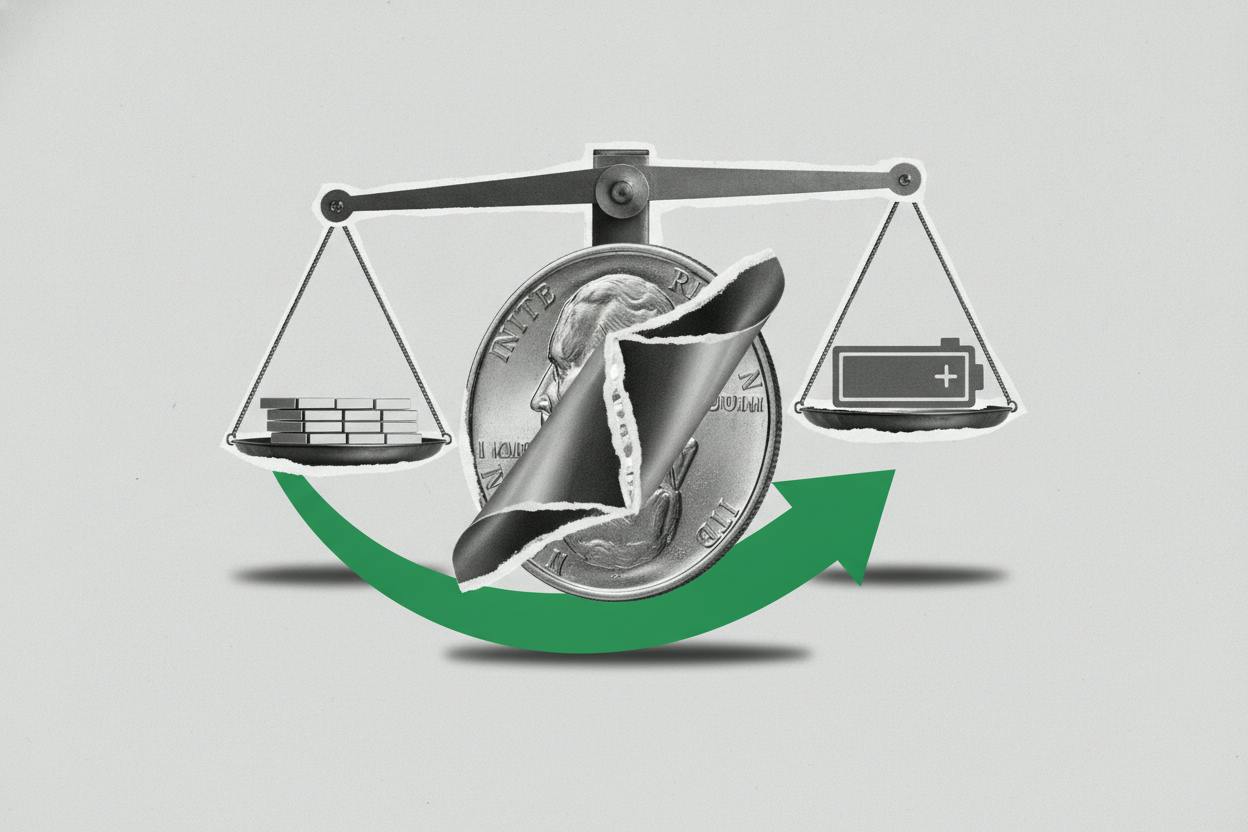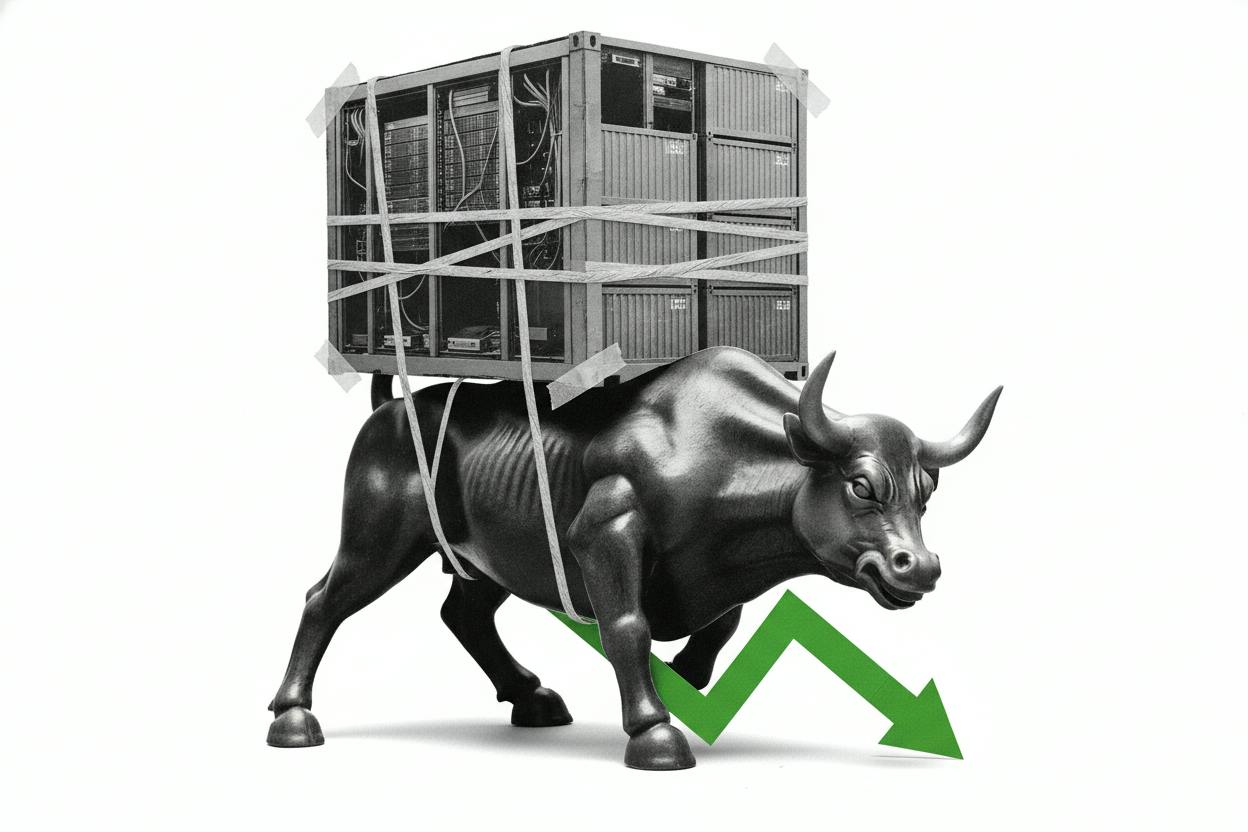
Wall Street is celebrating record highs as artificial intelligence spending fuels corporate profits, but the economic data tells a more complicated story. A recent column by a Reuters commentator highlights a growing disconnect: while AI-related investment is boosting stock markets, a significant portion of that spending is going to imported equipment, which widens the US trade deficit and keeps GDP growth "pretty soft."
The accounting twist behind AI's economic impact
At the heart of this is a basic accounting rule. Gross domestic product (GDP) measures the total value of goods and services produced in the US, and it includes net exports—the difference between what we sell abroad and what we buy from other countries. When imports rise, they are subtracted from GDP, even if those imports are part of a booming business investment boom.
That's exactly what's happening with AI. Companies are pouring money into data centers, servers, and networking gear—what economists call capital expenditure, or capex. But a large share of that hardware is made overseas. A paper from the Federal Reserve Bank of Minneapolis estimated that roughly 70% of AI-related capex lands on imported goods. Meanwhile, UN Trade and Development reported that AI hardware drove much of last year's increase in US goods imports.
The latest data fits that pattern. In August, the US trade deficit widened to $105.6 billion as imports jumped 4.3% to a record $420.8 billion. That means even as companies report strong earnings and investors cheer, the GDP report can show weaker headline growth because the same spending appears as a drag from net exports.
Why this matters for investors
For everyday investors, this creates a confusing picture. You can have a quarter where corporate revenues look robust, stock indices hit new highs, and yet the GDP number comes in "pretty soft." That's not a sign that the economy is falling apart—it's a reflection of how the data is measured.
But the mismatch can have real consequences for markets. When GDP reports come in weaker than expected, investors often interpret it as a "growth scare," which can push down yields on long-term US Treasuries. That's because slower growth might prompt the Federal Reserve to cut interest rates sooner. However, if the weakness is largely due to import-heavy AI spending, the underlying demand might still be strong, and the market reaction could be overdone.
For those holding Treasury bonds, this is a key dynamic to watch. A "growth scare" can move yields quickly, even if the AI investment cycle hasn't cooled. Similarly, gold prices and other rate-sensitive assets can react to these shifts.
What to watch next
Investors should keep an eye on upcoming GDP releases and trade data. If the pattern continues—strong earnings from AI-linked companies, but weak headline growth—expect more headlines that seem contradictory. The key is to look beyond the headline number and understand what's driving it.
Also watch how companies respond. Some are trying to speed up data center builds to meet demand, which could shift some spending to domestic sources. But for now, the import-heavy nature of AI capex is a structural feature, not a temporary blip.
For the broader economy, the trade deficit is not necessarily a bad thing—it reflects strong consumer and business demand. But it does mean that GDP growth may understate how fast the domestic economy is actually running. That's an important nuance for anyone trying to gauge the health of the economy from the headlines alone.
In short, the AI boom is real, but its effects are uneven. Stocks may be soaring, but the economic data can look softer because of how imports are counted. Understanding that disconnect can help investors avoid being misled by any single data point.