The artificial intelligence boom has dramatically reshaped the fortunes of the world's tech billionaires over the past year, according to a new analysis from BestBrokers.com. The study, which pulled data from Forbes estimates, found that Elon Musk added a staggering $530.9 billion to his net worth in the 12 months to Oct. 12, briefly pushing him past the $1 trillion mark. Meanwhile, Oracle co-founder Larry Ellison saw his wealth drop by $168.9 billion, as investors grew concerned about the heavy spending required for AI data centers.
Who gained and who lost
The analysis highlights a clear divide: those who own the "picks and shovels" of the AI gold rush are reaping enormous rewards, while those whose fortunes are tied to more capital-intensive or less AI-exposed businesses are feeling the pinch. Musk's gains were largely driven by the surging value of Tesla, which has been boosted by its AI and robotics ambitions, as well as his private ventures like xAI, which have attracted significant investment.
Other tech founders also saw big jumps. Amazon's Jeff Bezos and Alphabet's Larry Page and Sergey Brin all benefited from the AI-driven rally in their companies' stocks. Amazon's cloud division, AWS, is a major provider of AI infrastructure, while Alphabet's Google has been integrating AI into its search and cloud offerings. These companies are seen as direct beneficiaries of the AI boom, as businesses and developers flock to their platforms to build and run AI applications.
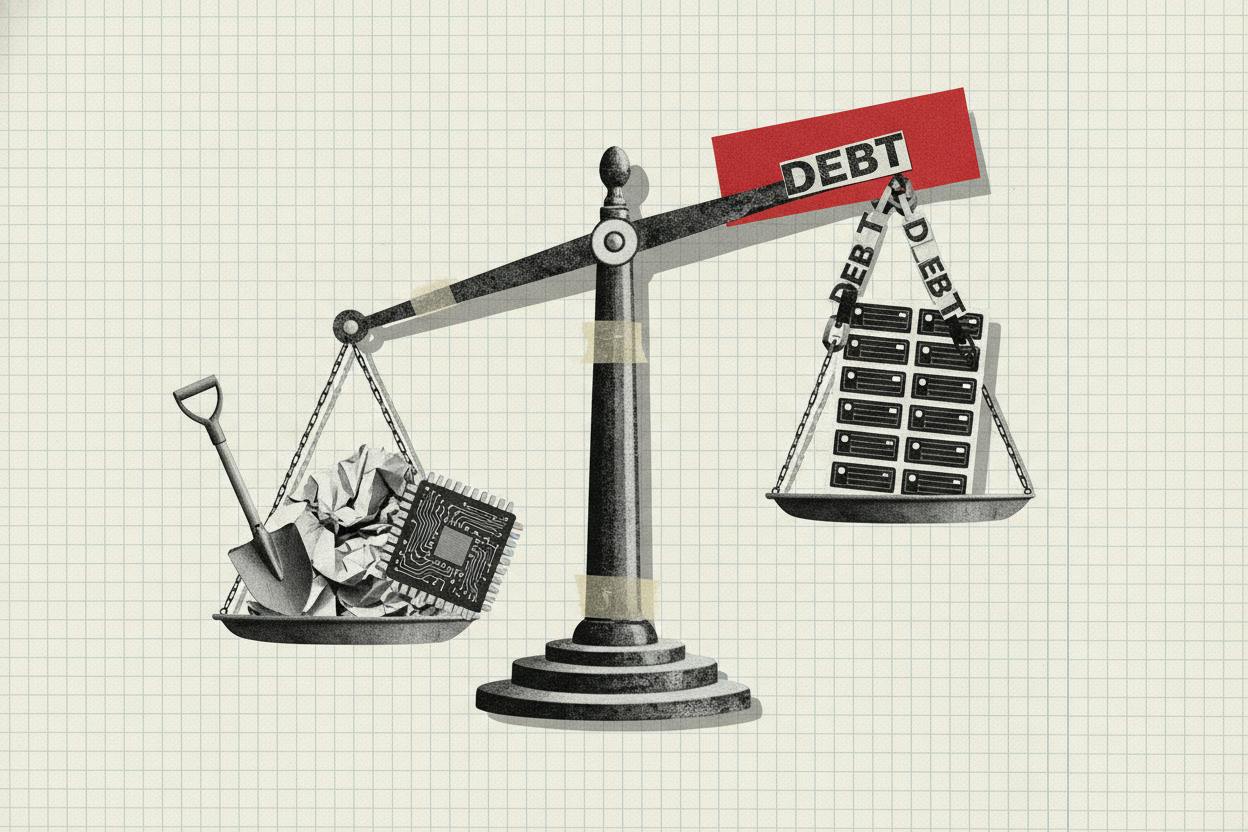
On the other side, Ellison's decline reflects a different story. Oracle has been making massive investments in AI data centers, spending billions to build out capacity to meet demand. While this could pay off in the long run, investors are worried about the near-term costs and whether the returns will justify the spending. This concern has weighed on Oracle's stock, dragging down Ellison's net worth.
Why AI is driving these fortunes
The AI boom has created a surge in demand for the infrastructure that powers it: chips, cloud computing, and the servers that run new models. Companies like Nvidia, which makes the graphics processing units (GPUs) essential for AI training, have seen their valuations skyrocket. But the effect ripples across the tech sector, benefiting anyone with a strong position in the AI supply chain.
For everyday investors, this story is a reminder that the AI wave is not just about a few flashy companies. It's reshaping the entire tech landscape, creating winners and losers even among the wealthiest founders. The key is to understand which companies are truly positioned to benefit from AI adoption and which are merely spending heavily to keep up.
As data center demand grows, companies like Oracle are betting big on AI infrastructure. But as the BestBrokers analysis shows, that bet doesn't always pay off immediately. Investors should watch how these spending plans translate into revenue growth over the coming quarters.
What it means for investors
For the average investor, the shifting fortunes of tech billionaires offer a few takeaways. First, AI is a powerful driver of stock performance, but it's not a guaranteed win. Companies that are heavily investing in AI infrastructure may see their margins squeezed in the short term, even if the long-term opportunity is real.
Second, diversification matters. The fact that Musk and Ellison had such different outcomes in the same year underscores how concentrated bets can be risky. A portfolio that leans too heavily on one sector or theme can be volatile.
Finally, it's worth paying attention to where the money is flowing. The "picks and shovels" approach—investing in companies that provide the tools and infrastructure for AI, rather than trying to pick the next AI application winner—has historically been a successful strategy. But as the BestBrokers data shows, even that approach has its risks, as Oracle's experience demonstrates.
As the AI story continues to evolve, expect more volatility in the fortunes of tech's elite. For investors, the lesson is to stay informed, keep a long-term perspective, and avoid getting caught up in the hype.