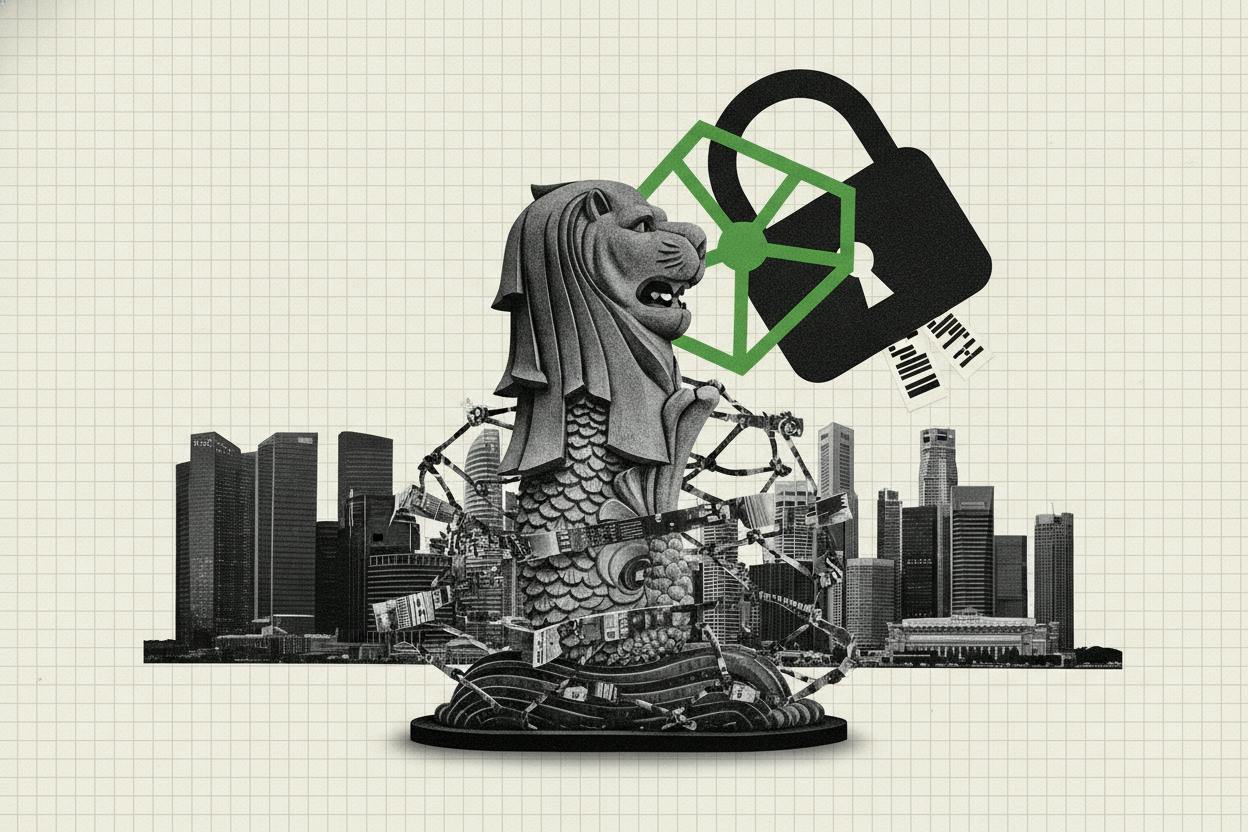
Singapore's banks are bracing for a new wave of cyber threats powered by artificial intelligence. A survey by the Monetary Authority of Singapore (MAS) found that about 80% of chief risk officers at financial institutions rank AI-related threats and cyberattacks as their top concern—edging out geopolitical risks.
The findings underscore a growing unease across the financial sector: as AI tools become cheaper and more sophisticated, they lower the barrier for criminals to launch convincing scams, phishing attacks, and system intrusions. For a global financial hub like Singapore, the stakes are high.
Why AI changes the cyber risk picture
AI doesn't just make existing attacks faster—it makes them more believable and harder to detect. Fraudsters can now generate realistic fake voices, emails, and even video calls that mimic executives or clients. They can also automate attacks at a scale that was previously impossible, targeting thousands of institutions simultaneously.
MAS's message is that new technology is lowering the barriers to attack. The tools are getting cheaper, more convincing, and easier to scale, which raises the odds of fraud and system intrusion. That's uncomfortable timing for a financial hub that's also leaning harder into advanced tech, from chips to data centers, because more digital activity usually means a larger “attack surface” for criminals to target.
The survey's results come as regulators globally are paying closer attention to AI-related risks. Central banks and financial watchdogs have been probing banks' exposure to AI-driven trading and other emerging threats. The concern is not just about direct attacks but also about the systemic risk if a major institution is breached.
What this means for investors
For everyday investors, this news is a reminder that banks face a growing cost from cybersecurity—both in terms of direct losses and the need to invest in defenses. While banks have long been targets, the AI era is making the threat more acute, and that could show up in higher operational expenses or, in worst-case scenarios, reputational damage and regulatory fines.
Investors should watch how banks are managing these risks. Strong cybersecurity frameworks are increasingly a sign of a well-run institution. Banks that invest early in AI-driven defenses may be better positioned than those that lag. However, it's also worth noting that no system is foolproof, and even the most prepared banks can be hit.
The survey also highlights a broader trend: AI is a double-edged sword for the financial sector. On one hand, it offers efficiency gains and new products. On the other, it creates new vulnerabilities. For investors, understanding a bank's approach to AI risk is becoming as important as looking at its loan book or interest margins.
Broader context and next steps
Singapore's banks are not alone in this concern. Financial institutions worldwide are grappling with similar challenges, and regulators are stepping up scrutiny. The recent probes by the Bank of England and the Federal Reserve into banks' exposure to AI-related trading losses show that the issue is on the radar of top regulators.
Meanwhile, Singapore's economy continues to show resilience, with unemployment dipping to 1.9% and the stock market edging up. But the layoff picture is mixed, with Q2 layoffs hitting 4,620, the highest since late 2020. These factors create a complex backdrop for banks, which must balance growth with risk management.
For now, the MAS survey serves as a wake-up call. Banks are expected to bolster their cyber defenses, and investors should keep an eye on how they do it. The next few quarters may reveal whether the industry is keeping pace with the evolving threat landscape.
In the meantime, the message from Singapore's regulators is clear: AI is here to stay, and so are the risks it brings. For banks, the challenge is not just to adopt AI but to do so safely.