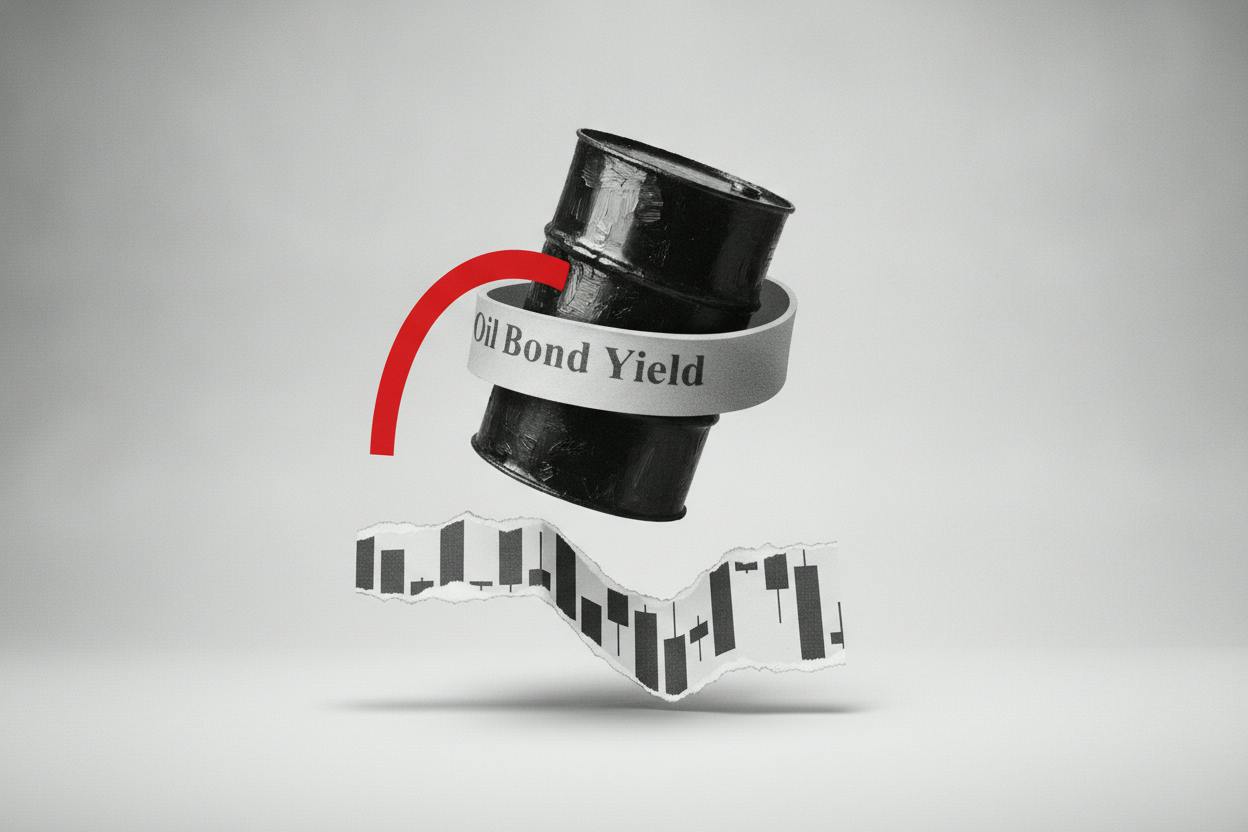
US stock futures were little changed on Tuesday, as investors paused after a strong start to the week. Two numbers are doing most of the work in setting the mood: Brent crude oil is hovering near $100 a barrel, and the yield on the 10-year US Treasury note is sitting around 4.9%. Both are high enough to keep pressure on stock valuations, and both are being watched closely ahead of a busy diplomatic calendar.
The immediate catalysts are political. Investors are waiting for expected US-Iran talks on the sidelines of the UN General Assembly, and for a US-China summit later this week. Neither event has a guaranteed outcome, and markets tend to tread water when the next big headline could come from a negotiating table rather than an earnings report.
Why oil and yields matter so much right now
Oil near $100 a barrel is more than a headline for drivers at the pump. Crude is a key input cost across the economy — it feeds into transport, manufacturing, and ultimately consumer prices. When energy costs stay elevated, they can slow the decline in overall inflation, or even push it back up. That matters because central banks, including the Federal Reserve, have been trying to bring inflation down to a sustainable level. If oil keeps inflation sticky, policymakers have less room to cut interest rates.
The 10-year Treasury yield is the other half of the story. It is the benchmark rate that helps set borrowing costs across the economy — from mortgages and auto loans to the interest rates companies pay on their debt. A yield near 4.9% is high by the standards of the past decade. It also tends to support the US dollar, which can make American exports more expensive abroad and squeeze the overseas earnings of multinational companies.
Together, expensive oil and high yields tighten what economists call financial conditions. In plain English: money gets more expensive for households and businesses, and that can cool demand — which is exactly what the Fed wants when it is fighting inflation, but not what stock investors want when they are hoping for rate cuts.
The AI rally meets a macro wall
Tuesday's pause follows a strong Monday session, when an AI-led rally pushed the Nasdaq to a record high. Meta was a standout, jumping 11.3% and lifting sentiment across the technology sector. That kind of move shows how much appetite remains for companies tied to artificial intelligence, even with rates high.
But the market's focus has shifted. Rather than chasing the AI theme further, investors are now putting macro first — oil, yields, the dollar, and the Fed. That is a common pattern when markets have run hard and a heavy slate of geopolitical events is on the calendar. Traders often prefer to lock in gains and wait for clarity rather than add risk into uncertainty.
The diplomatic agenda is doing a lot of that work. Talks between the US and Iran could affect energy markets, given Iran's role as a major oil producer and the sensitivity of crude prices to Middle East tensions. A US-China summit later in the week could shape expectations around trade, tariffs, and technology policy — all of which have direct implications for large US companies. Investors have seen before how quickly headlines from these meetings can move Chinese stocks and global risk appetite.
What it means for investors
For everyday investors, the takeaway is less about any single headline and more about the backdrop. When oil is near $100 and the 10-year yield is around 4.9%, the market's tolerance for disappointment is lower. Stocks — especially expensive growth names — are more sensitive to any sign that inflation is not cooling or that the Fed will keep rates higher for longer.
That does not mean investors should react to every tick in oil or yields. It does mean the environment favors balance. Bonds are offering more competitive yields than they have in years, which changes the calculus for anyone building a portfolio. And within stocks, sectors that benefit from higher energy prices or higher rates may behave very differently from those that struggle with them.
Here is what to watch in the coming days:
- Oil prices. Any signal from the US-Iran talks that supply could be affected — in either direction — will move crude, and with it inflation expectations.
- The 10-year yield. A sustained move above 4.9% would tighten conditions further; a retreat would give stocks room to breathe. Recent sessions have shown how quickly yields and oil can set the market's tone.
- The US-China summit. Trade and technology policy are the key areas. Any thaw or escalation will ripple through global markets.
- Fed commentary. With inflation still a concern, every hint about the path of interest rates matters. Higher oil makes the Fed's job harder, and markets know it.
It is also worth remembering that markets can stay in a holding pattern for days and then move sharply once news lands. The current calm in futures is not a prediction — it is a pause. Investors who understand why oil and yields matter, and what the Fed is watching, are better positioned to interpret whatever comes next.
For now, the message from Tuesday's flat open is simple: the AI trade is still alive, but the macro backdrop is in charge. Oil near $100 and a 10-year yield near 4.9% are the two numbers that will decide whether the next move is up or down.