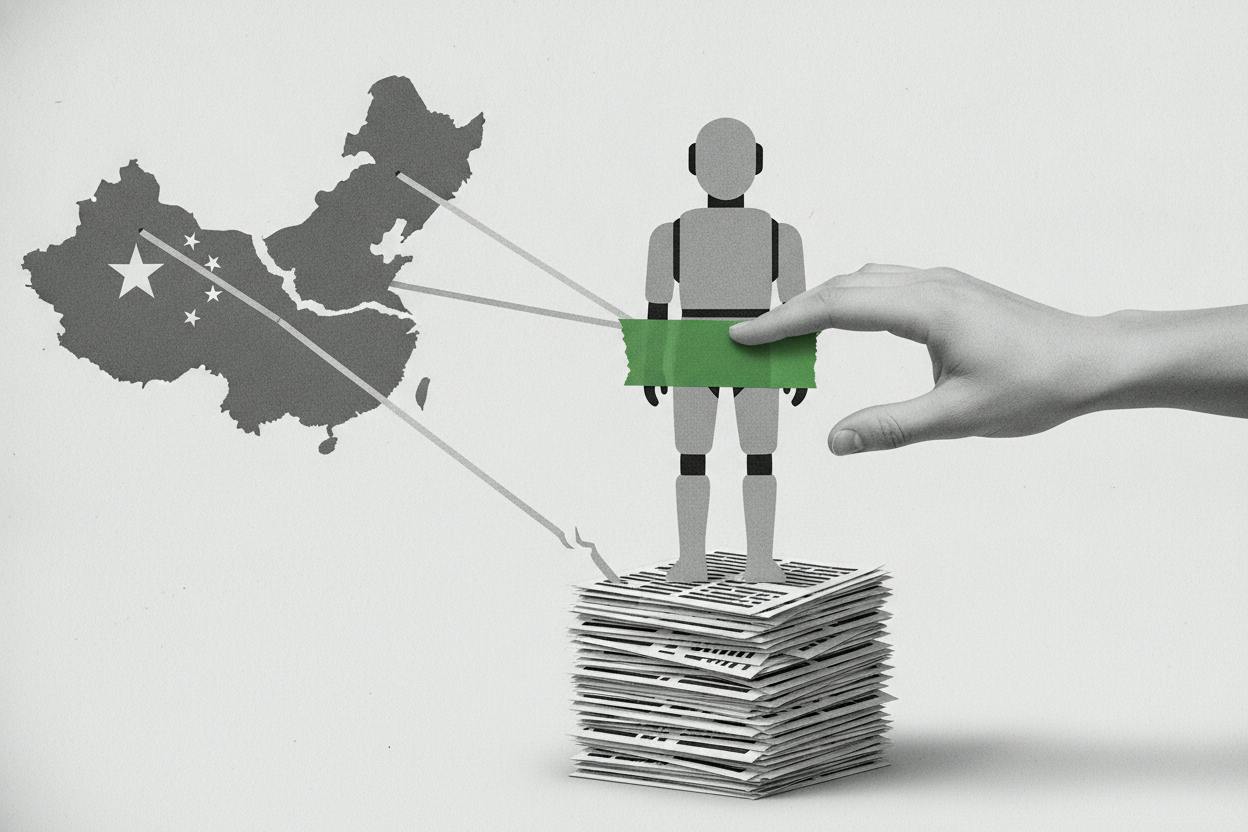
China's stock market is in a holding pattern, with investors reluctant to make big moves as they await a high-stakes meeting between President Donald Trump and Chinese leader Xi Jinping. At the same time, regulators are quietly putting the brakes on a wave of humanoid-robot IPOs, and state-backed developer Greenland Holdings has warned of mounting overdue debt and new lawsuits.
The mixed signals leave everyday investors wondering what to expect next. Here's a breakdown of what's happening and why it matters for your portfolio.
Why investors are sitting on their hands
The Trump-Xi meeting is the kind of event that can move markets in a single headline. Trade tensions, export controls, rare-earth supplies, and AI regulations are all on the table. When the world's two largest economies negotiate, the outcome can ripple through global supply chains and corporate earnings.
That uncertainty tends to keep money on the sidelines. Even if the headline indexes barely move, the underlying caution is real. Investors are waiting for clarity before committing fresh capital, especially in sectors that are directly exposed to US-China relations, such as technology and manufacturing.
This is not unusual. Markets often enter a holding pattern ahead of major diplomatic events. The key is that the outcome—whether it's a thaw or a further chill—could set the tone for weeks or months of trading.
Regulators slow the robot IPO rush
In a separate development, Chinese regulators are using informal "window guidance" to slow down listings of humanoid-robot companies. Window guidance is a common tool in China's financial system: regulators nudge banks or companies to behave in a certain way without issuing formal rules. In this case, they are signaling that they want to temper the pace of IPO approvals in the hot robotics sector.
Humanoid robots have been a buzzword in tech investing, with companies racing to develop machines that can work in factories, homes, and hospitals. But regulators may be worried about a bubble. Too many speculative listings could inflate valuations and hurt retail investors who pile in late.
For investors, this means the IPO pipeline for robotics companies could slow down. If you were hoping to get in on the next big robot stock, you might have to wait longer. It also suggests that regulators are keeping a close eye on market froth, which could be a positive for long-term stability but a drag on short-term momentum.
Greenland's debt warning adds to the gloom
Adding to the cautious mood, Greenland Holdings—a state-backed property developer—has flagged rising overdue debt and new lawsuits. The company is one of China's largest developers, and its struggles are a reminder that the property sector's troubles are far from over.
Overdue debt means the company is falling behind on payments it owes to creditors. Lawsuits can follow when lenders or suppliers try to recover what they're owed. For a developer like Greenland, this can create a vicious cycle: financial strain leads to legal action, which further dents confidence and makes it harder to raise new funds.
The property sector has been a major drag on China's economy for years. Developers that expanded aggressively during the boom are now struggling with high debt loads and weak demand. Greenland's warning is a signal that the pain is not yet over, and it could weigh on sentiment for the broader market.
What it means for investors
For everyday investors, the takeaway is that China's market is facing a mix of headwinds and uncertainties. The Trump-Xi meeting could provide a catalyst for a rally if relations improve, but it could also trigger a selloff if tensions escalate. The slowdown in robot IPOs suggests regulators are trying to prevent a bubble, which could be good for long-term investors but frustrating for those looking for quick gains.
Greenland's debt issues are a reminder that the property sector remains a risk. If you hold Chinese stocks or funds with exposure to real estate, it's worth keeping an eye on how these developments unfold.
As always, diversification is key. Don't put all your eggs in one basket, especially in a market that can swing on a single headline. And remember, this is not financial advice—just a look at what's moving the markets and why.
For more on how US-China relations are affecting markets, check out our coverage of US-China AI talks and the broader AI stock rebound in Asia. And if you're curious about the IPO landscape, our piece on SoftBank's paused IPO offers a glimpse into how valuations are being tested.