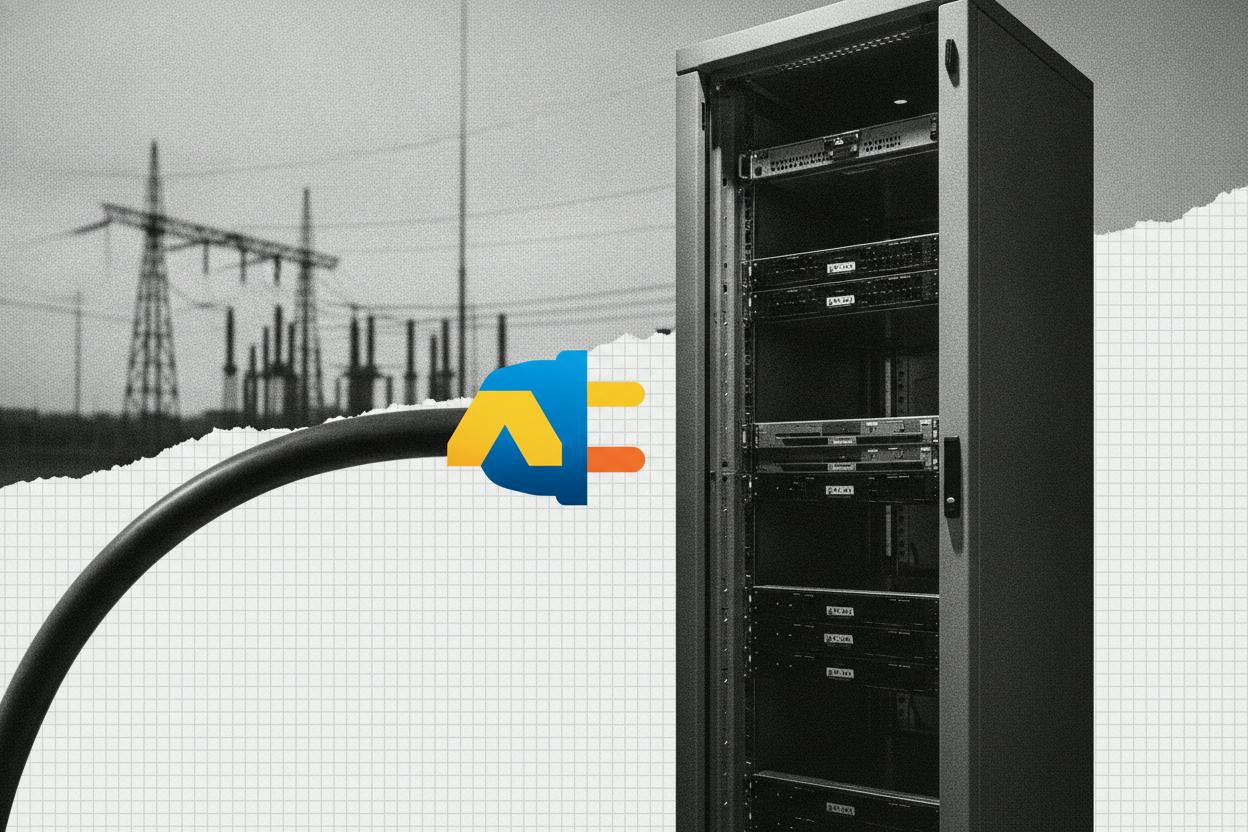
Artificial intelligence is fueling an unprecedented build-out of data centers, but the industry is discovering that the biggest hurdle isn't just chips or cooling—it's the humble power cable. French cable maker Nexans told Reuters that adding a new production line for XLPE cables, a critical component for high-voltage power transmission, can take roughly three years. That timeline is stretching out even as grid constraints are already delaying some projects.
Why cables are suddenly so important
Data centers are voracious consumers of electricity. A single large AI facility can draw as much power as a small town. To feed them, utilities and developers need to build new transmission lines and upgrade existing ones. That's where XLPE cables come in. XLPE, or cross-linked polyethylene, is an insulation material used in high-voltage cables that carry electricity over long distances. It's the standard for modern power grids, and it's not something you can just order off the shelf.
Nexans, one of the world's largest cable manufacturers, says the production capacity for these cables is tight. Adding a new XLPE line involves specialized equipment, skilled labor, and extensive testing—hence the multi-year lead time. The company's CFO told Reuters that even with strong demand, the industry simply can't ramp up overnight.
Grid constraints add to the squeeze
The cable bottleneck is compounded by broader grid issues. In many regions, especially in the US and Europe, the electrical grid wasn't built for the kind of concentrated, rapid load growth that AI data centers require. Utilities are struggling with interconnection queues, permitting delays, and transformer shortages. As a result, some data center projects are being pushed back, not because of a lack of demand, but because they can't get connected to the grid in time.
This is a familiar theme for investors who have been watching the AI infrastructure build-out. Amazon's AI server rollout has already hit power shortages, and other tech giants are facing similar hurdles. The cable shortage is just the latest link in a chain of constraints that includes everything from copper demand to the availability of transformers.
What it means for investors
For everyday investors, this story is a reminder that the AI boom isn't just about software and semiconductors. It's also about physical infrastructure—and that infrastructure is facing real-world limits. Companies that make the components needed to build and connect data centers, like Nexans, are in a strong position. In fact, Nexans recently reported a 21% jump in third-quarter sales, driven by AI-related demand.
But the long lead times also mean that projects will take longer to come online. That could slow the pace of AI expansion, which might affect the earnings of tech companies that are spending heavily on data centers. It could also mean higher costs for those companies, as they compete for scarce cable capacity.
For investors, the key takeaway is to look beyond the obvious names. While Nvidia and other chipmakers get most of the attention, the companies that supply the physical backbone of the AI economy—cable makers, electrical equipment manufacturers, and utility contractors—are also poised to benefit. However, these are cyclical businesses, and their fortunes are tied to the pace of infrastructure spending, which can be lumpy.
Looking ahead
The cable bottleneck is unlikely to resolve quickly. With three-year lead times for new production lines, the industry is essentially sold out for the foreseeable future. That could keep prices firm and margins healthy for manufacturers, but it also means that data center developers will need to plan further ahead and possibly pay a premium to secure supply.
Some companies are already trying to get ahead of the curve. Nebius recently secured a $3.5 billion credit line to fund its AI data center and GPU expansion, a sign that major players are willing to invest heavily to overcome these bottlenecks. But even with deep pockets, they can't speed up the physical process of manufacturing cables.
For the broader market, this is a story about the real economy catching up with the AI hype. The technology is advancing rapidly, but the infrastructure to support it is being built on human timescales. That mismatch is creating both opportunities and risks for investors. Those who understand the supply chain dynamics may find ways to profit, but they should also be prepared for delays and cost overruns.
The bottom line
The AI data center boom is hitting a new chokepoint: power cables. With manufacturers like Nexans saying it takes about three years to add a key production line, the industry faces a prolonged period of tight supply. For investors, this means that the AI infrastructure build-out will be a multi-year story, with winners and losers along the way. Keep an eye on the companies that make the physical components of the grid—they may be the quiet beneficiaries of the AI revolution.