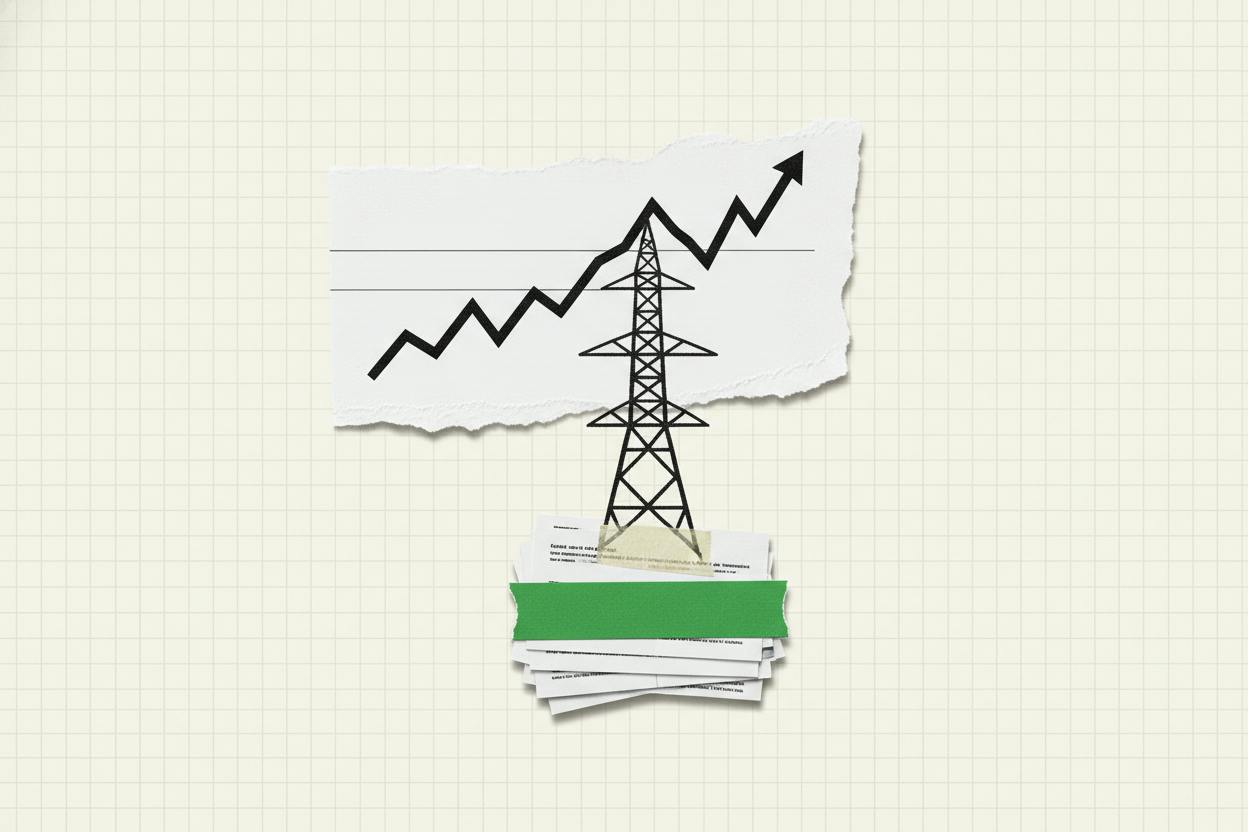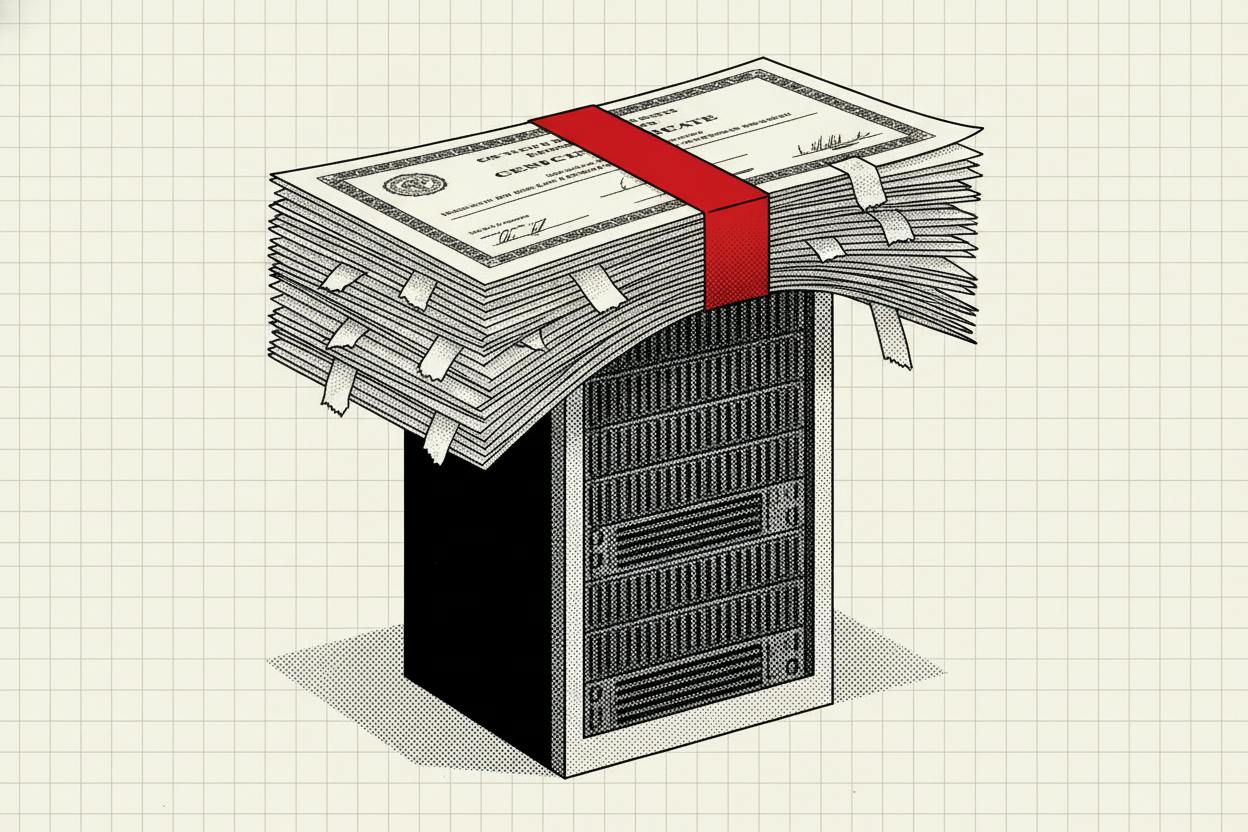
The artificial intelligence infrastructure boom has turned the biggest US technology companies into some of the most prolific borrowers in the corporate bond market. Over the past year, so-called hyperscalers — the tech giants that run massive cloud and data-center networks — have issued roughly $220 billion of bonds, according to Reuters columnist Marty Fridson.
That wave of borrowing is now starting to bend the rules that normally govern how corporate bonds are priced, Fridson argues in a recent Open Interest column. The sheer size of the issuance is causing what he calls “indigestion” inside the roughly $10 trillion US investment-grade bond market.
What is happening in the bond market?
In normal times, two bonds from the same issuer with similar maturities should trade at nearly the same yield. And when a company issues a large bond deal, it often trades slightly tighter — meaning its yield is a bit lower — because the bonds are more liquid and easier to buy and sell.
But the AI-driven borrowing spree has flipped that logic. Fridson says the flood of supply from companies like Alphabet, Amazon, Meta, Microsoft, and Oracle — plus chunky issuance tied to Nvidia — is creating pricing gaps of 15 to 22 basis points between otherwise similar bonds. A basis point is one-hundredth of a percentage point, so a 20-basis-point gap is meaningful for bond investors.
In other words, two bonds that should be near-perfect substitutes are now trading at noticeably different yields. That is a sign that the market is struggling to absorb the sheer volume of new debt.
Why is this happening?
The root cause is the enormous capital spending required to build AI infrastructure. Hyperscalers are pouring billions into data centers, chips, and energy capacity, and they are funding much of that spending by borrowing in the bond market.
When a company issues a huge amount of debt in a short period, it can overwhelm the demand from bond buyers. That forces underwriters to price the bonds at a discount — a higher yield — to attract investors. The effect is most pronounced for the largest and most frequent issuers, which are exactly the companies at the center of the AI buildout.
Fridson’s point is that this is not just a one-off quirk. It is a structural shift in how the investment-grade market operates, driven by a single sector’s outsized borrowing needs.
What it means for investors
For everyday investors, the most direct impact is through bond funds and ETFs that hold investment-grade corporate debt. If the pricing distortions persist, fund managers may find it harder to match the performance of their benchmarks, and the yields on some bonds may not reflect their true risk.
For individual bond buyers, the takeaway is that “similar” bonds are not always as similar as they look. A 15-to-22-basis-point yield gap between two bonds from the same issuer can translate into a meaningful difference in income over the life of the bond.
It also highlights the growing influence of AI on the broader financial system. The same companies that are driving stock-market gains are now reshaping the bond market, and that has implications for anyone with exposure to fixed income.
Investors should also keep an eye on how long this borrowing spree lasts. If AI spending slows, the supply of new bonds could ease, and pricing could return to more normal patterns. But if the arms race continues, the distortions may become a permanent feature of the market.
For now, the message from Fridson is clear: the AI debt wave is not just a story about tech companies — it is a story about how the world’s biggest bond market prices risk.