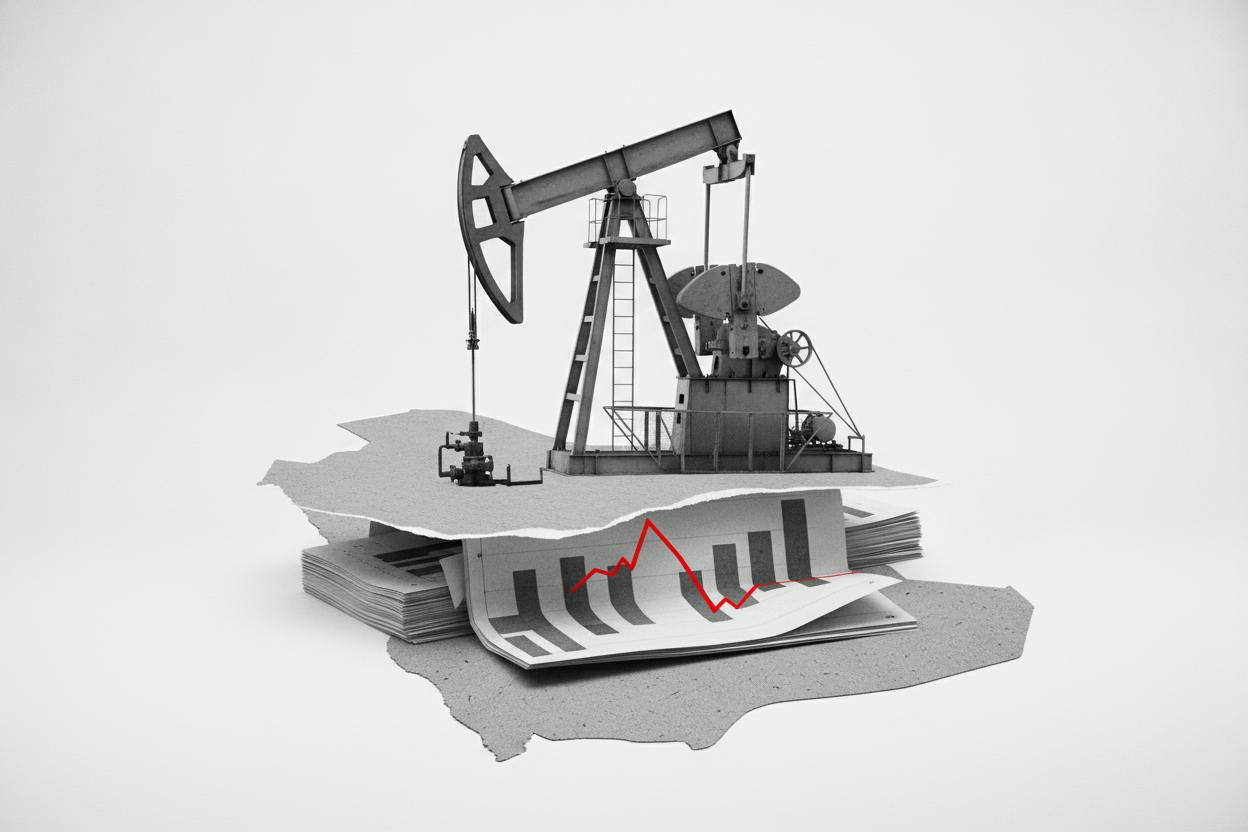
Saudi Arabia's stock market ticked down on Tuesday after new data showed the kingdom's industrial output fell 8.1% in July compared with the same month a year earlier. The drop was driven by a sharp decline in oil activity, which slid 11.4% year-on-year.
The Tadawul All Share Index, the main Saudi benchmark, slipped 0.08% as investors weighed the latest figures from the General Authority for Statistics. The modest move suggests the market had largely expected the softness, but the data still underscored how heavily the Saudi economy and corporate earnings depend on oil.
Monthly rebound offers a silver lining
While the year-on-year numbers were weak, the month-on-month picture was more encouraging. Industrial production rose 10.4% from June, helped by a 16.3% jump in oil activity. Non-oil output, however, dipped 0.3% from the previous month.
That contrast matters because oil production doesn't just lift energy companies; it also feeds government revenue and spending, which in turn supports everything from construction to retail. A monthly rebound in oil output can signal a short-term boost, but the persistent year-on-year decline points to a broader slowdown in the kingdom's industrial engine.
The data comes at a time when global oil prices have been volatile, with oil above $100 pressuring emerging market stocks in recent weeks. For Saudi Arabia, the world's largest crude exporter, the price of oil is just as important as the volume pumped.
Why the year-on-year drop matters
The 8.1% annual fall in industrial output is a reminder that Saudi Arabia's economy is still closely tied to the oil cycle, despite years of diversification efforts under Vision 2030. When oil production is cut—either due to OPEC+ agreements or weaker global demand—the ripple effects are felt across the economy.
Oil activity alone accounts for a large share of industrial production, so an 11.4% drop in that segment weighs heavily on the overall index. The non-oil sector, which includes manufacturing, mining, and utilities, also slipped 0.3% year-on-year, suggesting that the non-oil economy is not yet growing fast enough to fully offset the oil drag.
For investors, this means that Saudi stocks remain sensitive to oil market developments. A sustained recovery in oil prices or production could lift sentiment, but continued weakness could keep a lid on corporate earnings, especially for petrochemical and energy-related firms.
What it means for investors
For everyday investors, the takeaway is that Saudi equities are not immune to the country's industrial health. The Tadawul's small decline reflects a market that is cautiously watching the data, but not panicking.
Investors should also note that monthly figures can be noisy. A 10.4% jump in industrial production from June to July is a positive sign, but it follows a weak period, and the year-on-year trend remains negative. It's too early to call a turning point.
The broader regional context also matters. Gulf stocks have slipped on shipping fears in the past, and geopolitical tensions can quickly move oil prices and, in turn, Saudi equities. Meanwhile, Saudi factory output has fallen less in July as oil rebounds monthly, which offers some hope that the worst may be over.
Investors will likely watch the next few months of data to see if the monthly improvement can translate into a sustained recovery. Oil prices, OPEC+ decisions, and global demand will be key drivers. For now, the message is one of caution: the Saudi economy is still in a soft patch, and the stock market is reflecting that reality.
As always, it's wise to keep a long-term perspective. Short-term data points like this one can cause ripples, but they don't change the fundamental story of a country that is trying to diversify its economy. For those with exposure to Saudi stocks, patience may be the best strategy.