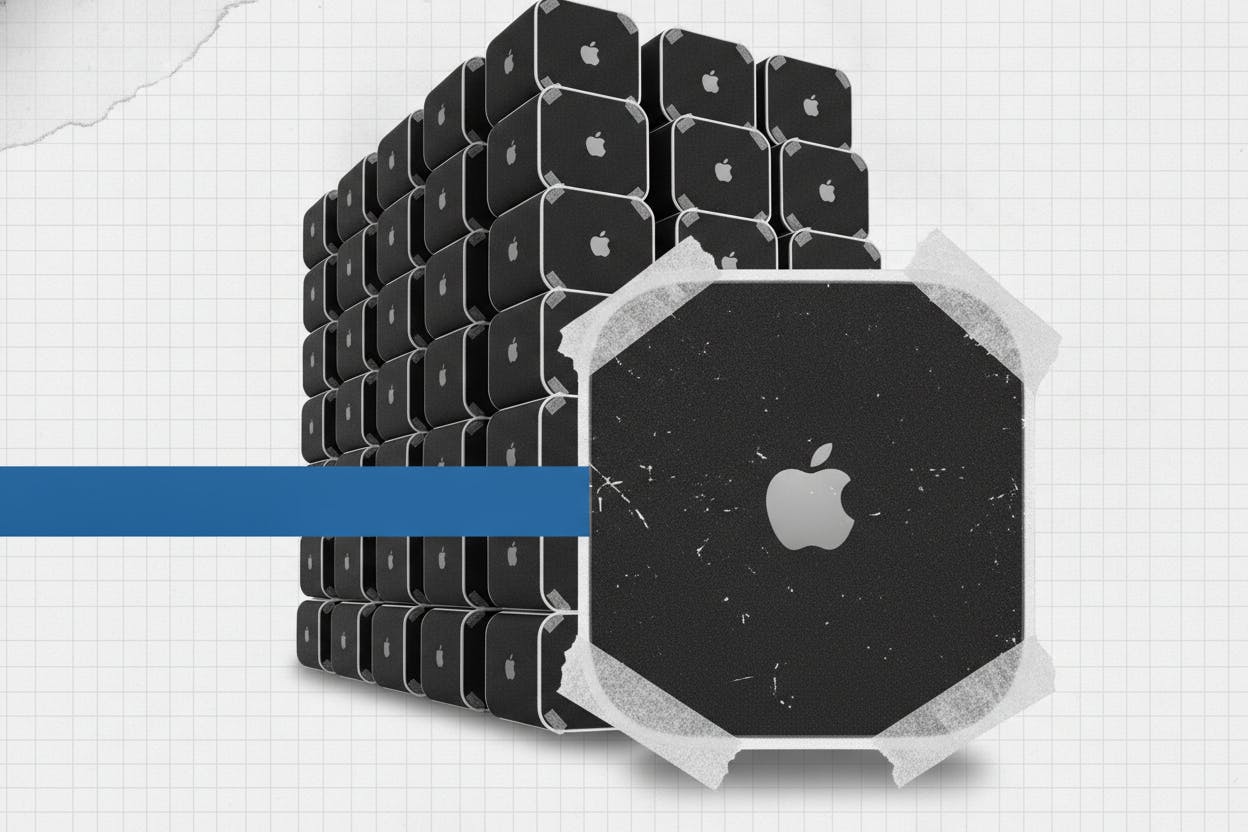
Apple's Mac lineup is getting an unexpected boost from the artificial intelligence boom—not from consumers, but from the very labs building the next generation of AI. According to a report from The Information, OpenAI and Anthropic are buying or renting thousands of Macs, with Apple's Mac sales climbing nearly 29% year over year in the second quarter to $10.4 billion.
This isn't about a sudden craving for compact desktops. Instead, it's a sign that Apple's silicon—the M-series chips inside the Mac mini and Mac Studio—has become a reliable workhorse for AI development. The machines are fast enough for many day-to-day tasks, and they're built to run hard without overheating, which matters when you're training and testing models for hours on end.
Why AI labs are choosing Apple
AI development isn't just about massive data centers with thousands of Nvidia GPUs. A lot of the work happens on individual machines, where engineers write code, test models, and build what the industry calls “agents”—software that uses AI to click, type, and run steps across apps. These tasks require solid computing power, but they don't always need the heavy-duty hardware that powers the biggest training runs.
Apple's chips have carved out a niche here. They offer strong performance per watt, meaning they deliver good speed without guzzling electricity or generating excessive heat. That makes them practical for deskside use, where you can't have a server rack humming in the corner. The Mac mini, in particular, packs a surprising amount of power into a small, quiet box—ideal for a lab environment where engineers are iterating quickly.
The report from The Information suggests that OpenAI and Anthropic are leaning into this setup, either buying the machines outright or renting them in bulk. It's a practical choice: instead of waiting for cloud GPU time, engineers can run experiments locally, which speeds up the development cycle.
What this means for Apple's numbers
The Mac sales jump is notable, but it's worth putting in context. Apple's overall revenue is dominated by the iPhone, and Macs are a smaller slice of the pie. Still, a 29% year-over-year increase in Mac sales is a meaningful boost, especially in a quarter where the broader PC market has been uneven.
For investors, this is a reminder that Apple's silicon strategy is paying off beyond the consumer market. The same chips that power consumer laptops are finding a home in professional and enterprise settings, which could help diversify Apple's revenue streams. It also signals that the AI boom isn't just about Nvidia—there's room for other players in the hardware ecosystem.
That said, it's important not to overstate the impact. AI labs buying thousands of Macs is a drop in the bucket compared to Apple's overall sales. But it's a positive signal for the Mac franchise, which has had its ups and downs over the years.
What it means for investors
For everyday investors, this story is less about rushing to buy Apple stock and more about understanding the broader AI landscape. The fact that AI labs are choosing Apple's hardware suggests that the AI buildout isn't a one-horse race. While Nvidia dominates the training side, there's a growing ecosystem of tools and machines that support the day-to-day work of AI development.
It also highlights the importance of custom silicon strategies—companies like Anthropic are exploring their own chips, and Apple's success shows that tailored hardware can be a competitive advantage. Meanwhile, AI spending plans are ballooning, with some estimates reaching $750 billion, so every piece of the puzzle matters.
For Apple, the Mac mini's role as an AI workhorse is a quiet win. It won't move the needle on its own, but it's another sign that Apple's chip design team is delivering value beyond the consumer market. As AI continues to evolve, the demand for capable, efficient hardware is likely to grow—and Apple is positioning itself to be part of that story.
Investors should watch how this trend develops. If AI labs continue to rely on Apple's machines, it could provide a steady, if modest, tailwind for Mac sales. But the bigger picture is that the AI boom is creating opportunities across the tech stack, from chips to software to the devices that run it all.