US midterm voting kicked off on Tuesday, and markets are on edge. Tech stocks are under pressure, with traders closely watching whether Democrats can take control of both the House and the Senate. A so-called "blue sweep" could pave the way for stricter oversight of artificial intelligence, a prospect that is already making investors nervous.
According to Reuters, bettors on Polymarket, a crypto-based prediction market, put the odds of Democrats winning both chambers at about 77%. That's a significant number, and it's moving markets even before any actual policy changes.
Why a Democratic sweep matters for AI
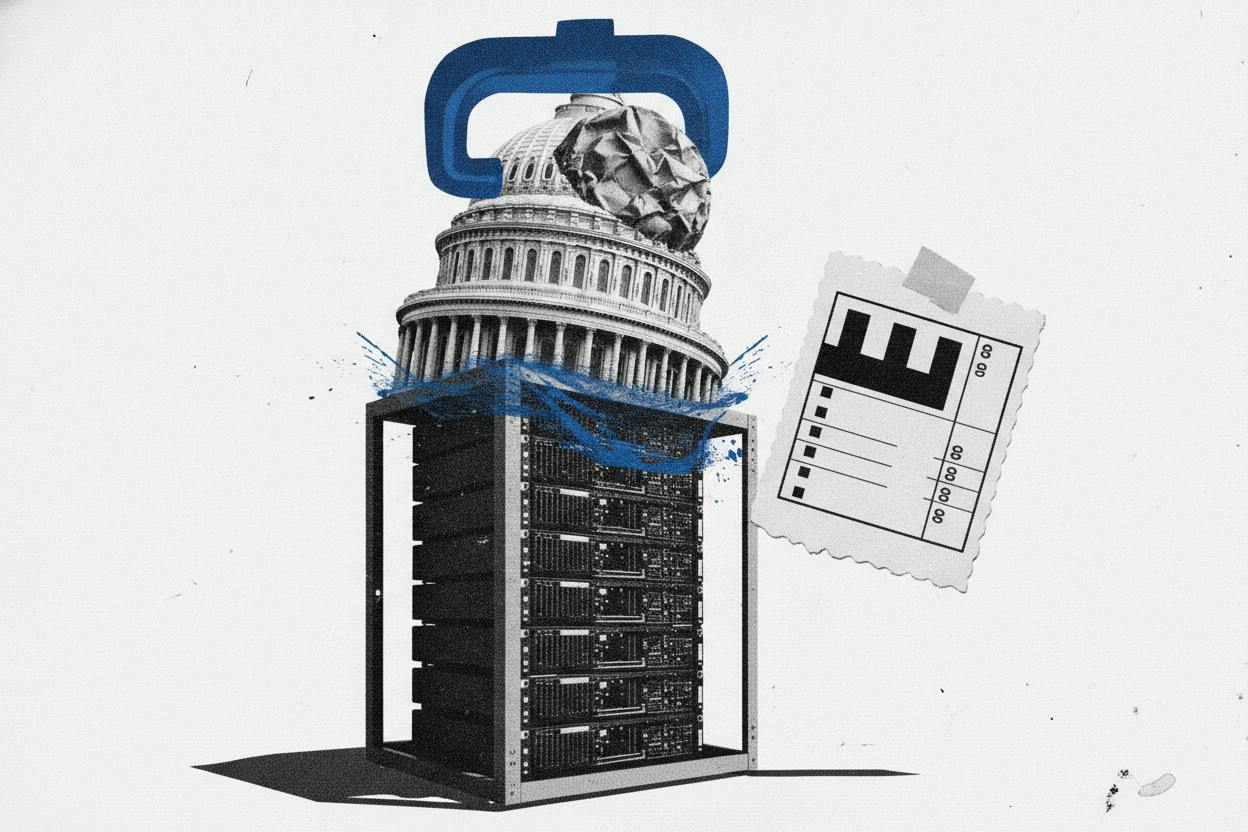
Why would control of Congress affect AI companies? Because a Democratic majority could mean more regulation. Think of it this way: AI is still a relatively young industry, and lawmakers are still figuring out how to handle it. A Democratic Congress might push for stricter rules on how AI is developed and deployed, and could also scrutinize the data centers that power these systems.
Data centers are massive, energy-hungry facilities that run AI models. They require huge amounts of electricity and water, and they often face local permitting battles. If new regulations make it harder to build or operate these centers, that could delay projects and raise costs for tech companies.
The timing is tricky. Big Tech is already asking investors to stomach enormous spending on AI infrastructure. Recent earnings reports have made investors more sensitive to anything that could delay projects or inflate costs. Even the expectation of more oversight can push investors to demand a higher return for owning these stocks, which tends to weigh on valuations—especially for companies whose profits are expected further in the future.
What it means for investors
For everyday investors, the key takeaway is that markets can reprice on direction, not details. If traders think a Democratic sweep is likely, they may start adjusting their portfolios based on that expectation, even before any specific legislation is introduced.
More permitting fights, reporting requirements, or limits on how data centers get built and powered would add uncertainty to already-expensive AI spending plans. That makes it harder to estimate when that spending will pay off. This "regulatory overhang" often hits the longest-duration parts of the equity market first—those stocks valued on profits far in the future. That's why Nasdaq-100-linked names, plus chip-heavy markets like South Korea's KOSPI and Taiwan's benchmark, can see quick, headline-driven swings.
Indeed, Asian stocks have already slid as AI jitters and MSCI index changes weigh on sentiment. And tech stocks in the region have been hit by weak US earnings and midterm uncertainty.
Beyond AI: broader market backdrop
The midterms are just one of several factors keeping markets on edge. The dollar slipped as oil dropped 7% ahead of the midterms, jobs data, and rate decisions. And copper slipped as traders trimmed risk ahead of the vote.
For investors, the lesson is to stay informed but not to overreact to every headline. Election outcomes can shift market sentiment in the short term, but long-term investing is about fundamentals. Still, if you own tech stocks or funds that track the Nasdaq-100, it's worth paying attention to how the midterms unfold and what it could mean for AI regulation.
As always, this is not financial advice. It's about understanding the forces that move markets so you can make your own informed decisions.