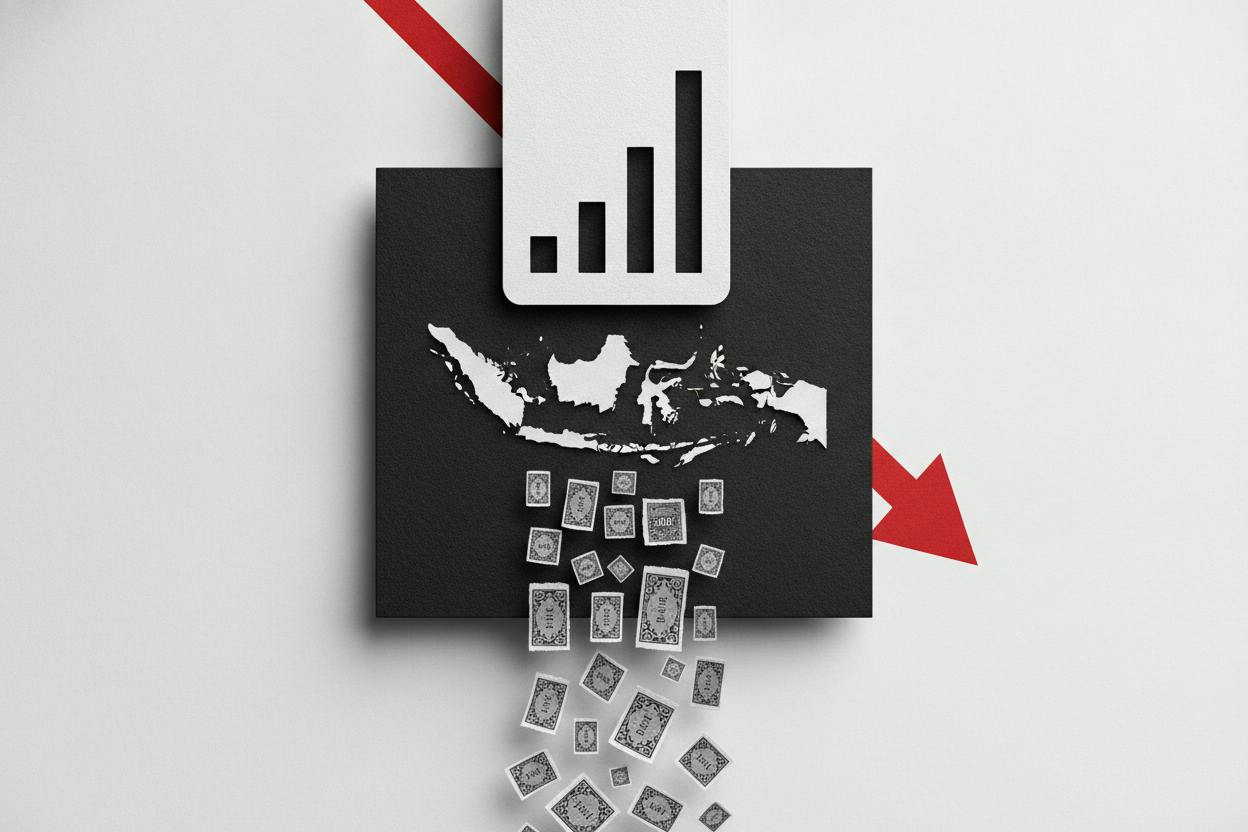
Indonesian stocks extended their painful slide on Tuesday, with Jakarta's benchmark index falling more than 3% as investors remained rattled by a potential downgrade from index provider MSCI. The drop adds to a brutal year for the market, which is now down roughly 43% in 2025.
Why MSCI's warning matters
MSCI, a major index provider whose benchmarks are tracked by global funds managing trillions of dollars, flagged concerns last month about Indonesia's market transparency. The issues include opaque ownership structures and concerns about coordinated trading, according to Reuters. While MSCI has not yet made a final decision, the mere hint of a downgrade has spooked investors.
For everyday investors, the stakes are simple: when a market risks losing its status in a widely followed index, funds that track that index may be forced to reduce their holdings. That can trigger a wave of selling, pushing prices down further. It's not about the economy's fundamentals—it's about whether global money can still easily flow into the market.
Indonesia's situation is a reminder that index inclusion isn't just a technicality. It directly affects demand for a country's stocks. A downgrade could mean reduced exposure from passive funds, which have grown enormously in recent years.
Broader Asian tech selloff adds pressure
Tuesday's decline in Jakarta wasn't isolated. Across Asia, stocks fell as a broader pullback in technology shares, driven by concerns about an AI-led rally losing steam, weighed on markets. The KOSPI dropped 2.7% as tech heavyweights like Samsung and SK Hynix took hits. This regional weakness compounds Indonesia's own troubles, making it harder for the market to find a footing.
The tech selloff is a reminder that even markets with different drivers can move together when global sentiment shifts. For Indonesian investors, that means external factors—like US interest rate expectations or AI investment trends—can amplify domestic pressures.
What it means for investors
For those holding Indonesian stocks, the key question is how much further the market could fall if MSCI follows through on its warning. History suggests that when index providers signal a downgrade, the uncertainty alone can keep selling pressure alive. Even if the final decision is delayed, the overhang can persist.
Investors should also watch whether the Indonesian government or regulators respond with measures to address transparency concerns. Such steps could help restore confidence, but they take time. In the meantime, volatility is likely to remain high.
For global investors, the episode highlights the importance of understanding how index mechanics can affect individual markets. A stock's performance isn't only about company earnings—it's also about who is allowed to buy it and how much.
Looking ahead
The coming weeks will be crucial. MSCI's next review could bring a decision, and any update will likely move the market. Investors will also be watching for any signs of stabilization in global tech, as a rebound there could ease some pressure on Asian markets.
In the meantime, the selloff in Jakarta serves as a cautionary tale about the power of index providers and the fragility of investor confidence. For those with exposure, diversification and a long-term perspective remain essential tools.
As always, it's wise to consult a financial advisor to understand how these developments fit into your personal investment strategy.